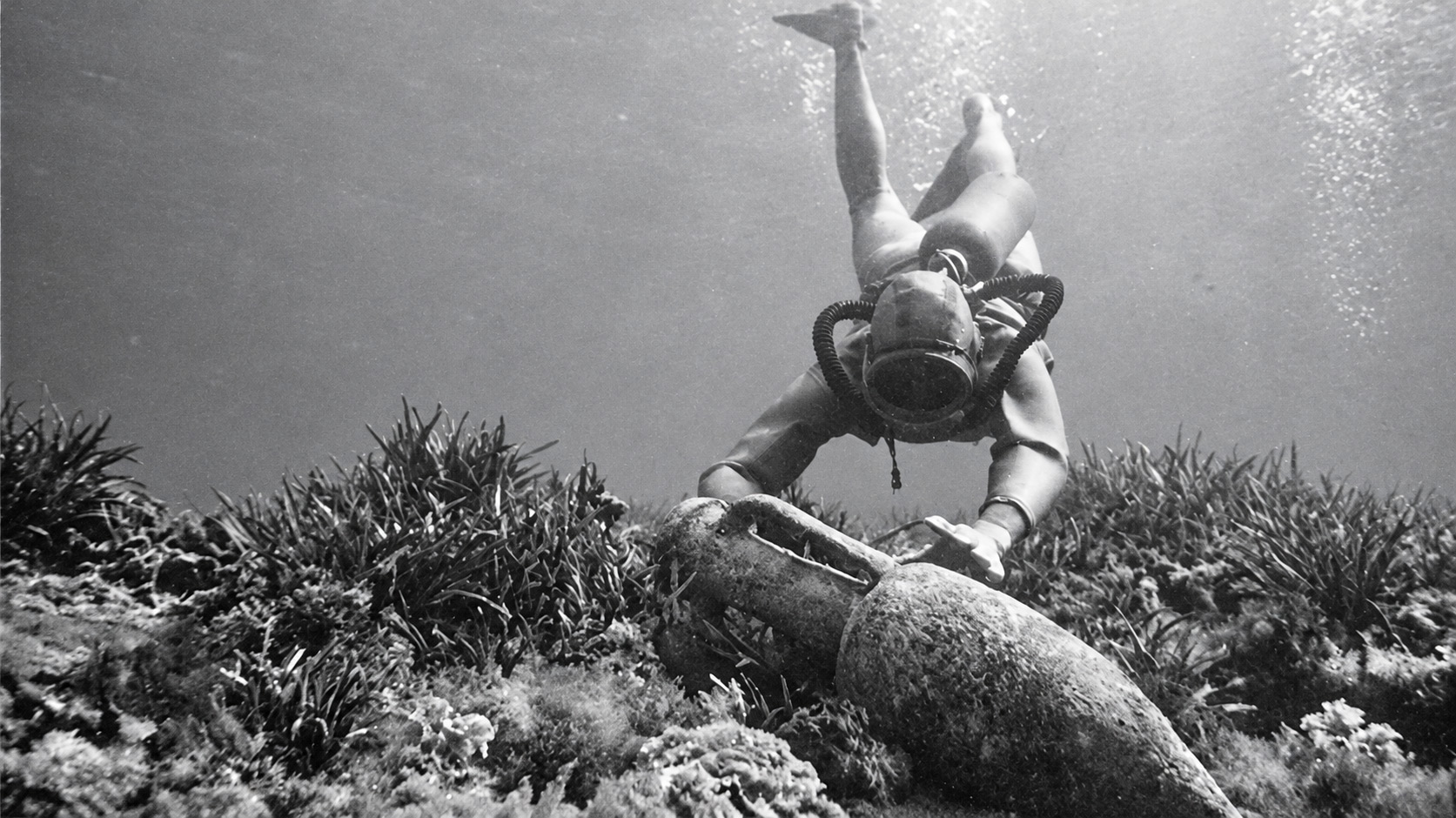
Frédéric “Didi” Dumas tested the early Aqua-Lung, dived to 62 metres in 1943 and helped define modern scuba exploration and archaeology.

Blog
Frédéric “Didi” Dumas tested the early Aqua-Lung, dived to 62 metres in 1943 and helped define modern scuba exploration and archaeology.
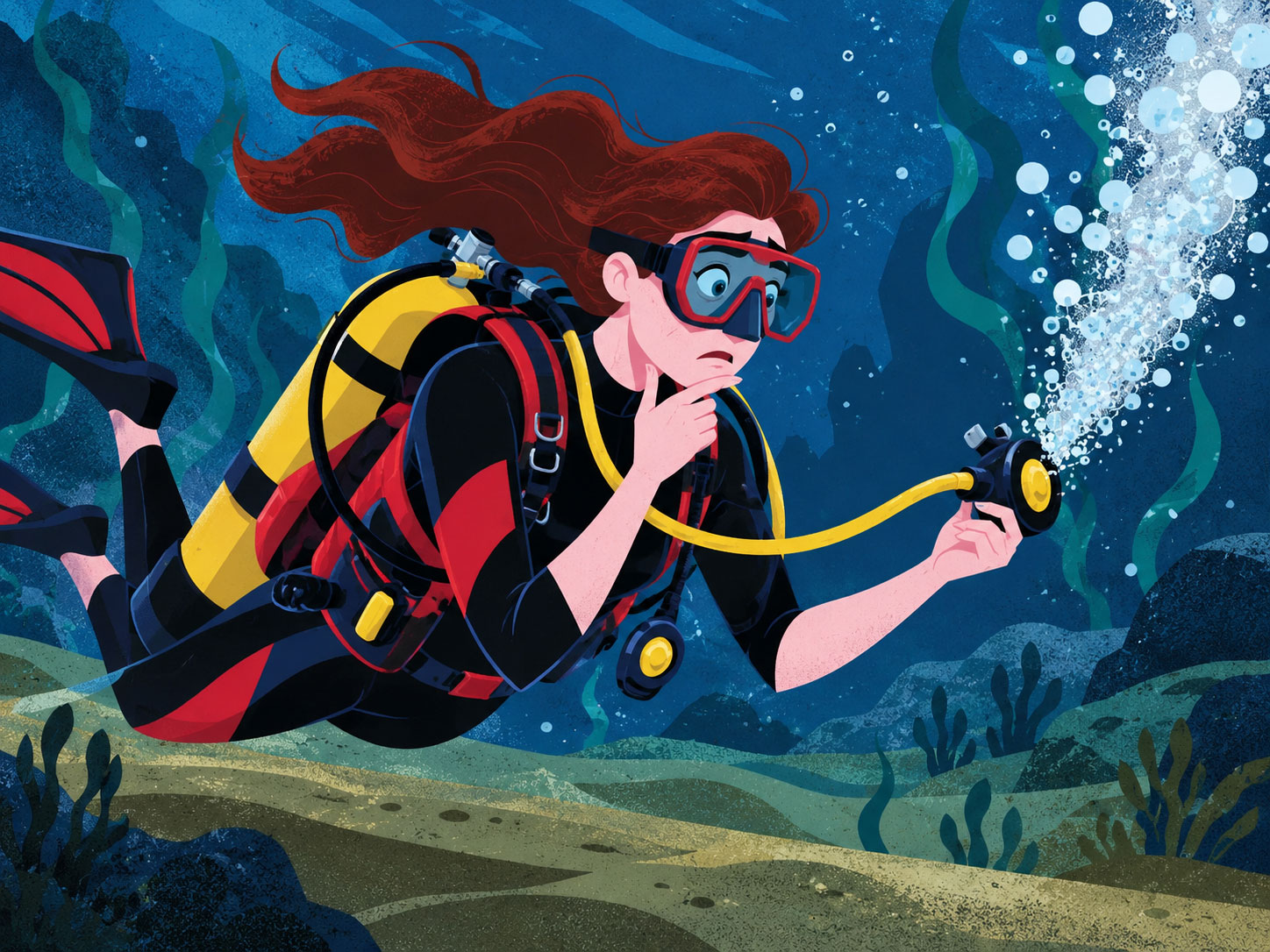
A regulator free-flow can rapidly drain a scuba cylinder. Learn how to maintain a breathing supply, alert your buddy and respond safely underwater.
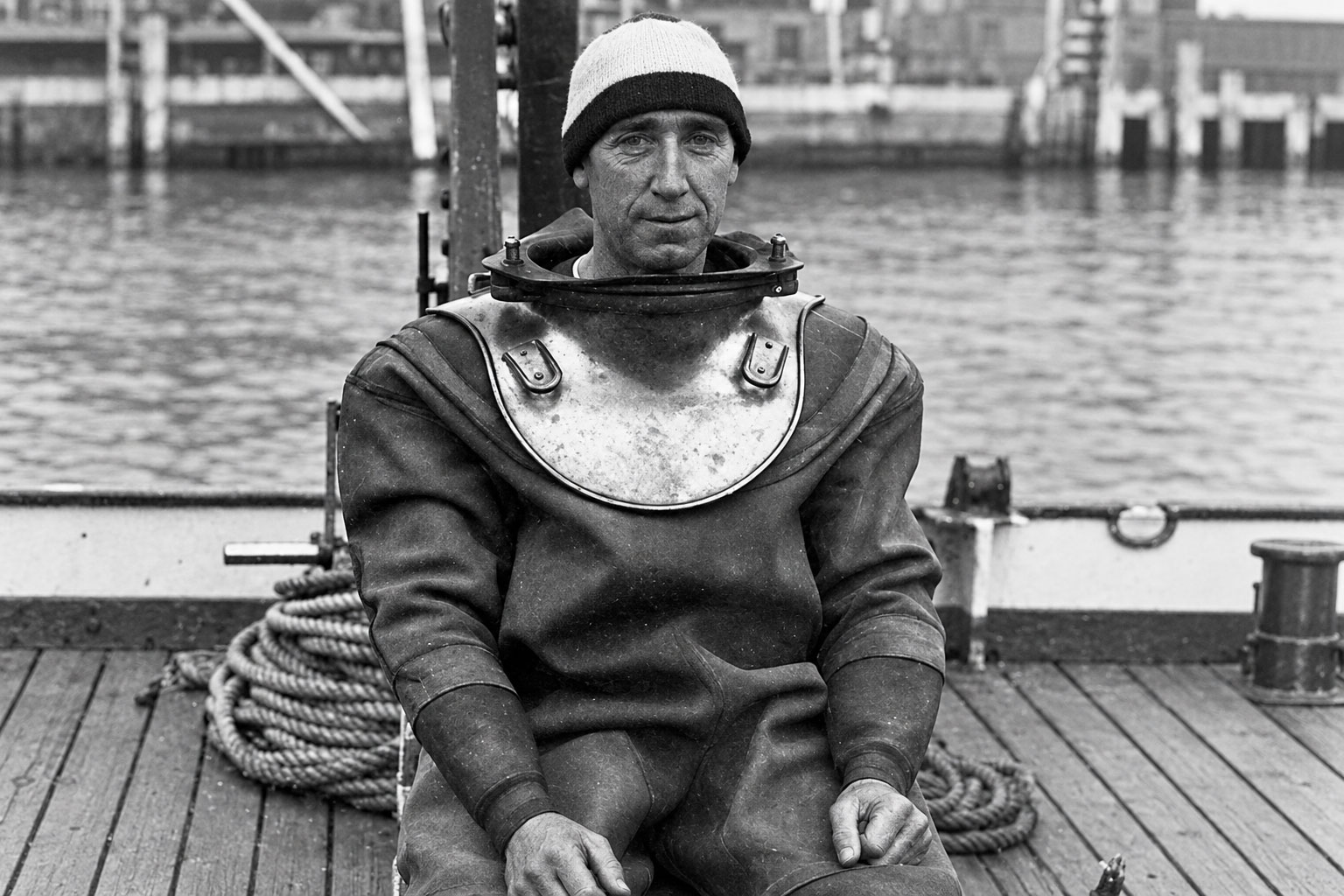
Philippe Tailliez introduced Cousteau to underwater exploration, united the three Mousquemers and became the first commander of the French Navy’s GRS.
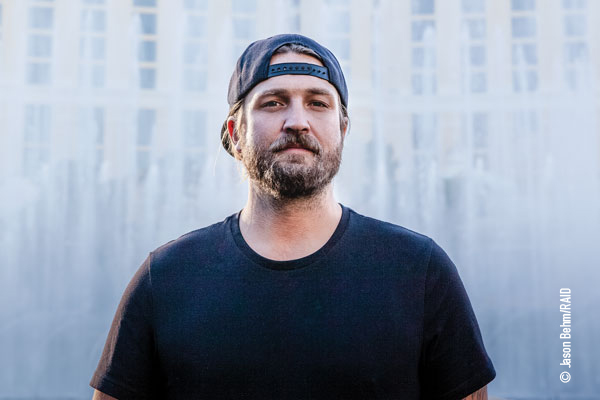
Canadian technical and cave diver Erik Brown, a member of the international team behind the 2018 Tham Luang rescue, has died. No cause has been made public.
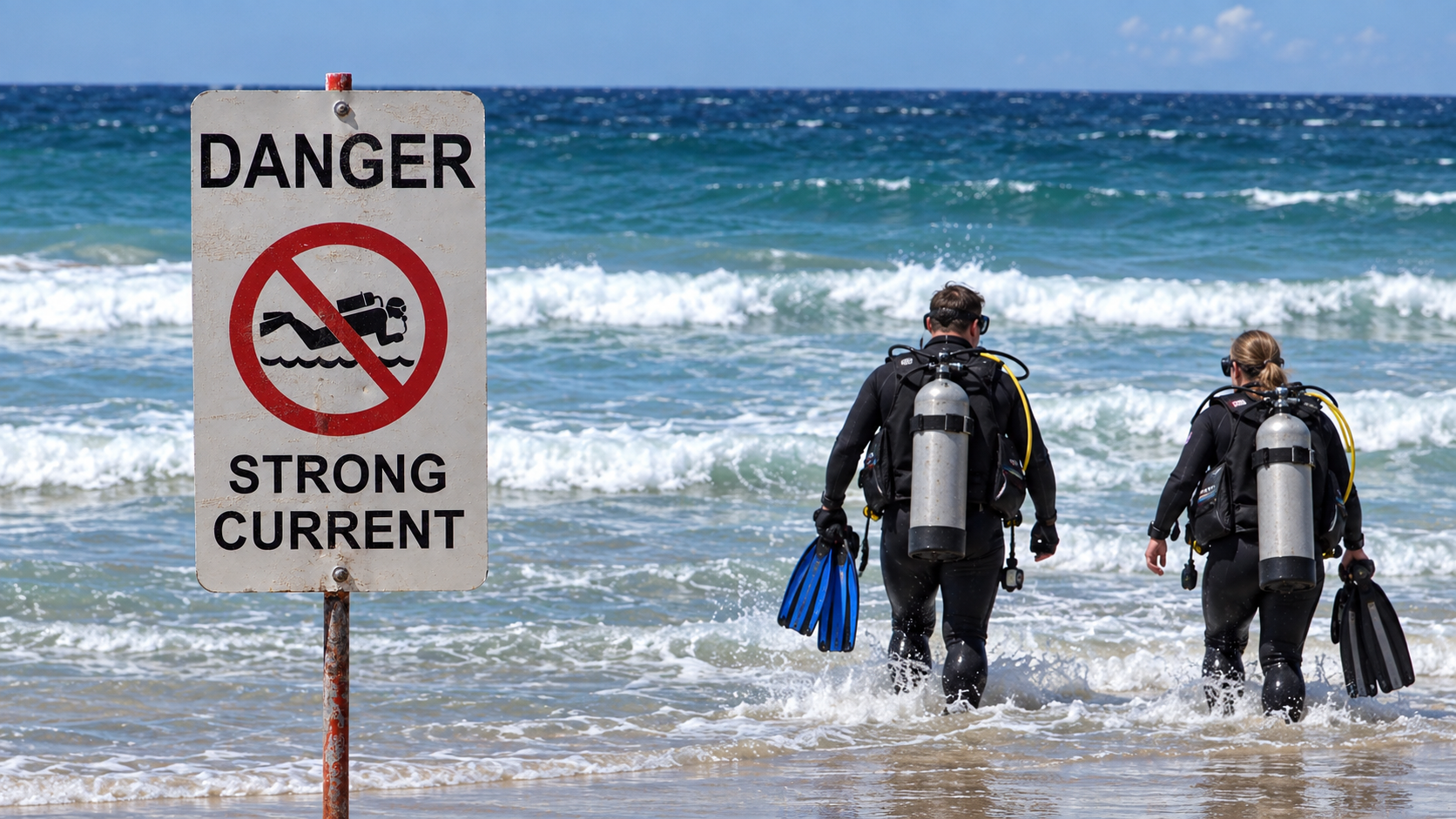
Strong underwater currents can cause exhaustion, separation and loss of depth control. Learn how divers should respond and prepare safely.
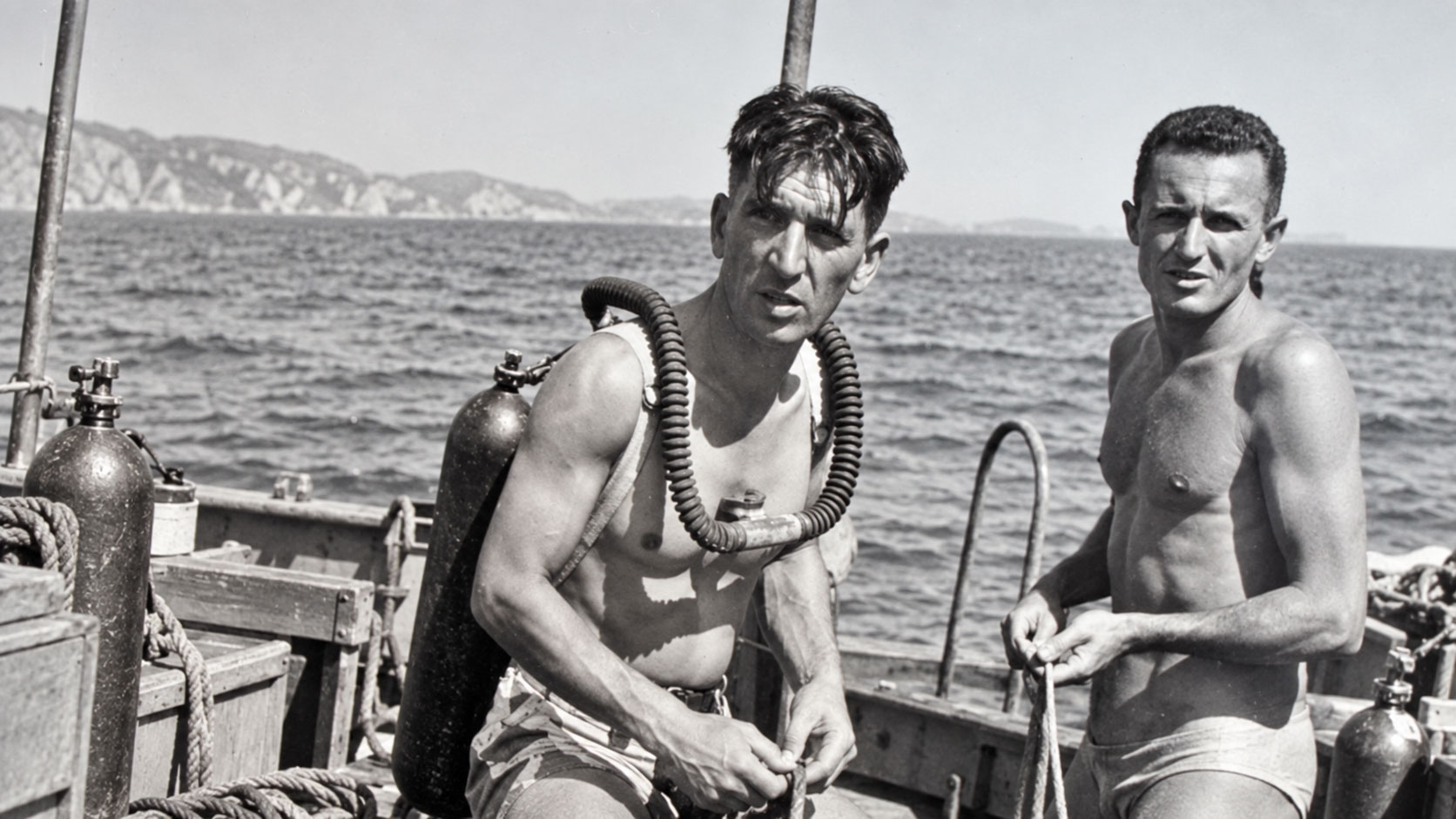
On 17 September 1947, Maurice Fargues reached approximately 120 metres using an Aqua-Lung. His fatal descent revealed the limits of early deep diving.
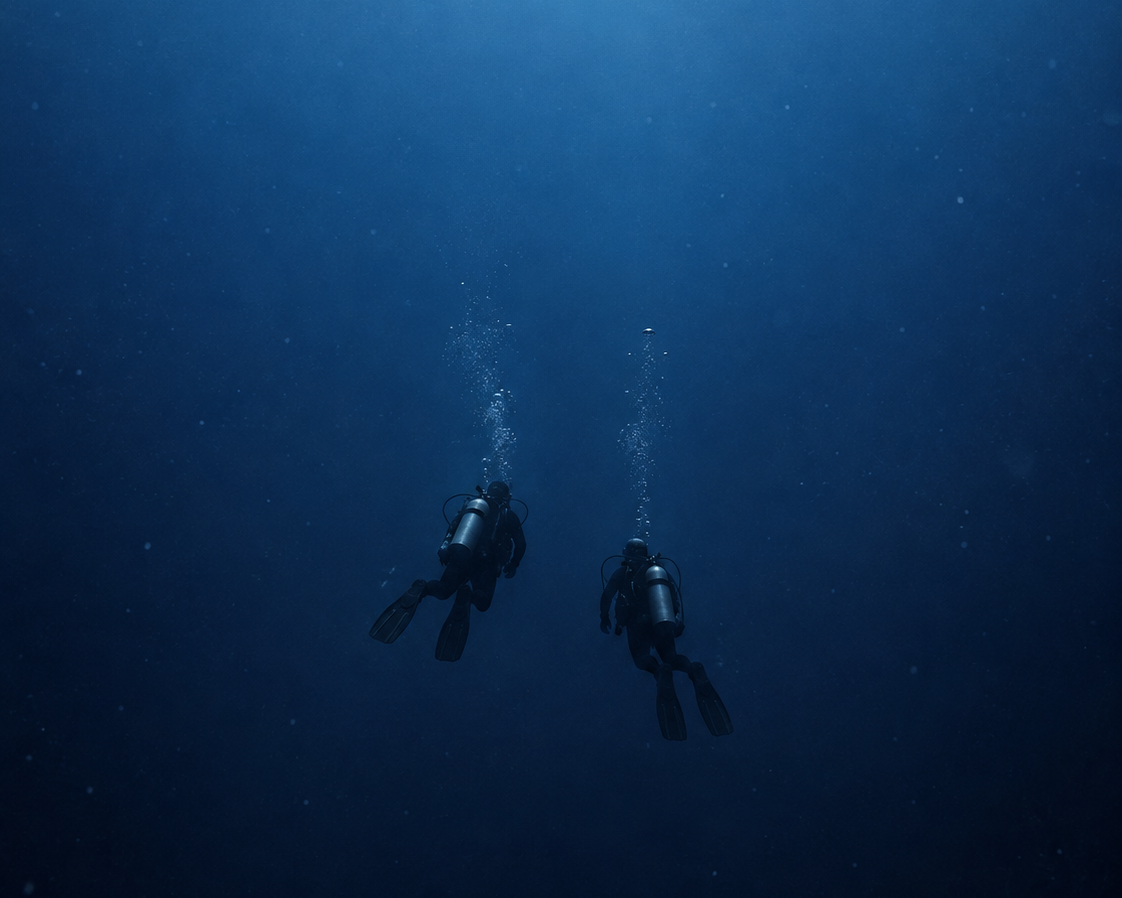
Nitrogen narcosis can impair judgement and awareness during deeper dives. Learn how to recognise its symptoms and respond safely underwater.
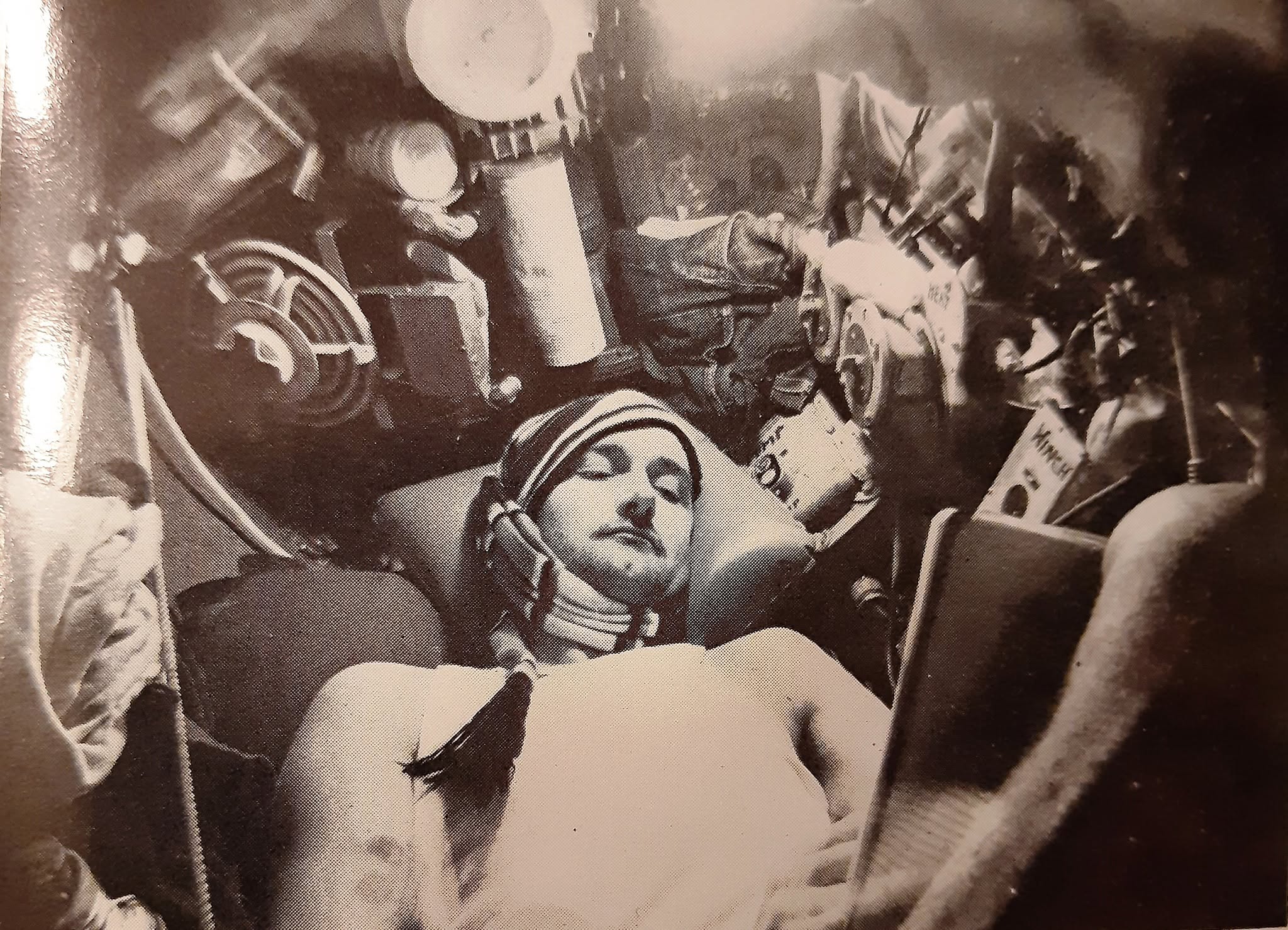
In September 1962, Robert Sténuit spent 24 hours and 15 minutes inside a narrow steel cylinder at 61 metres, becoming the world’s first aquanaut