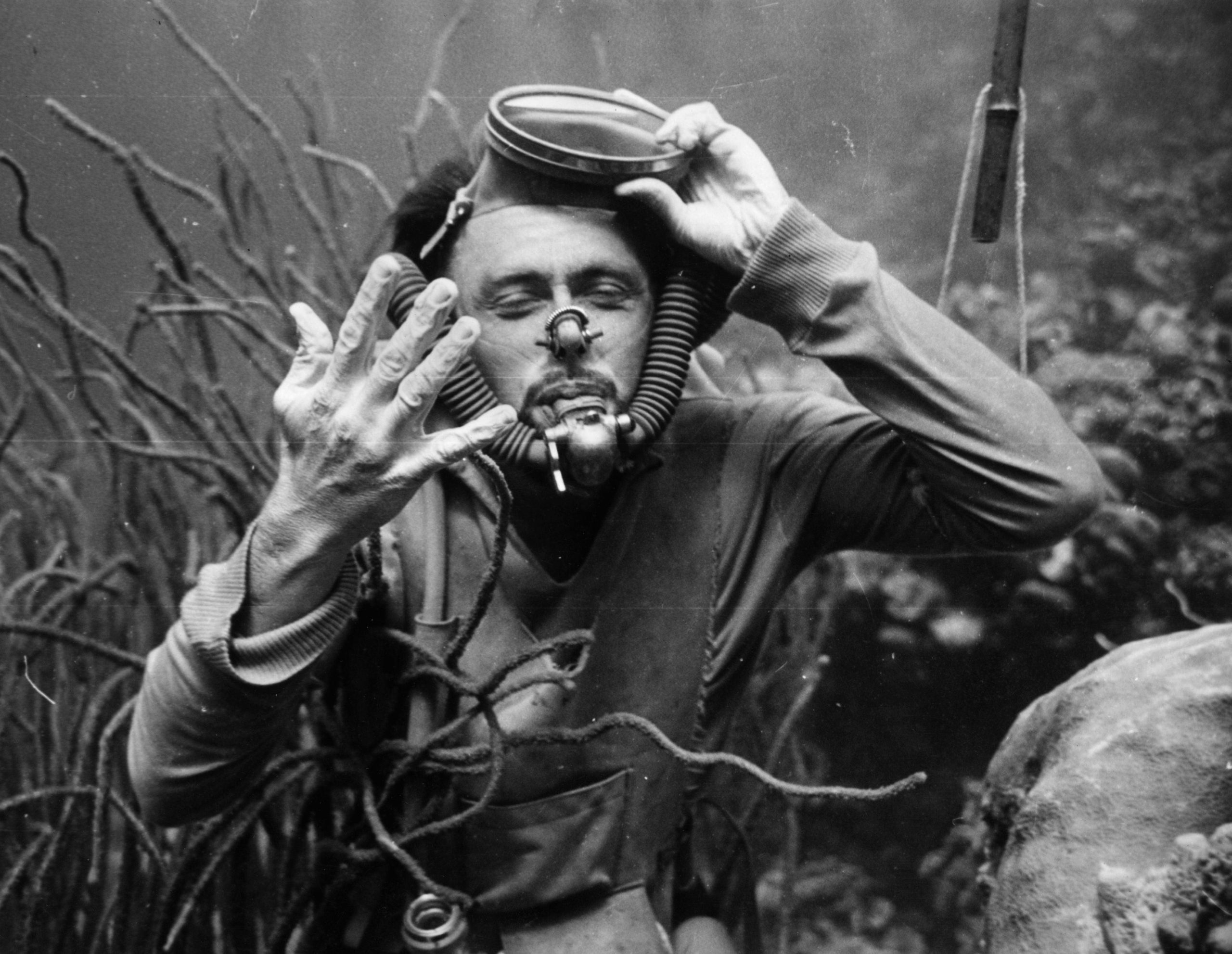
Before modern scuba equipment made diving accessible, one man was already exploring the underwater world with limited tools and remarkable determination.
Hans Hass had begun developing his own methods of underwater exploration years before the invention of the Aqualung by Jacques-Yves Cousteau. Working with minimal equipment, he laid the groundwork for how humans would later interact with the sea.
Early Life and First Expeditions
Born in Austria in 1919, far from any coastline, Hans Hass did not grow up with the sea as part of his daily life. His interest developed later, during his university years, when he became fascinated by marine life and underwater photography.
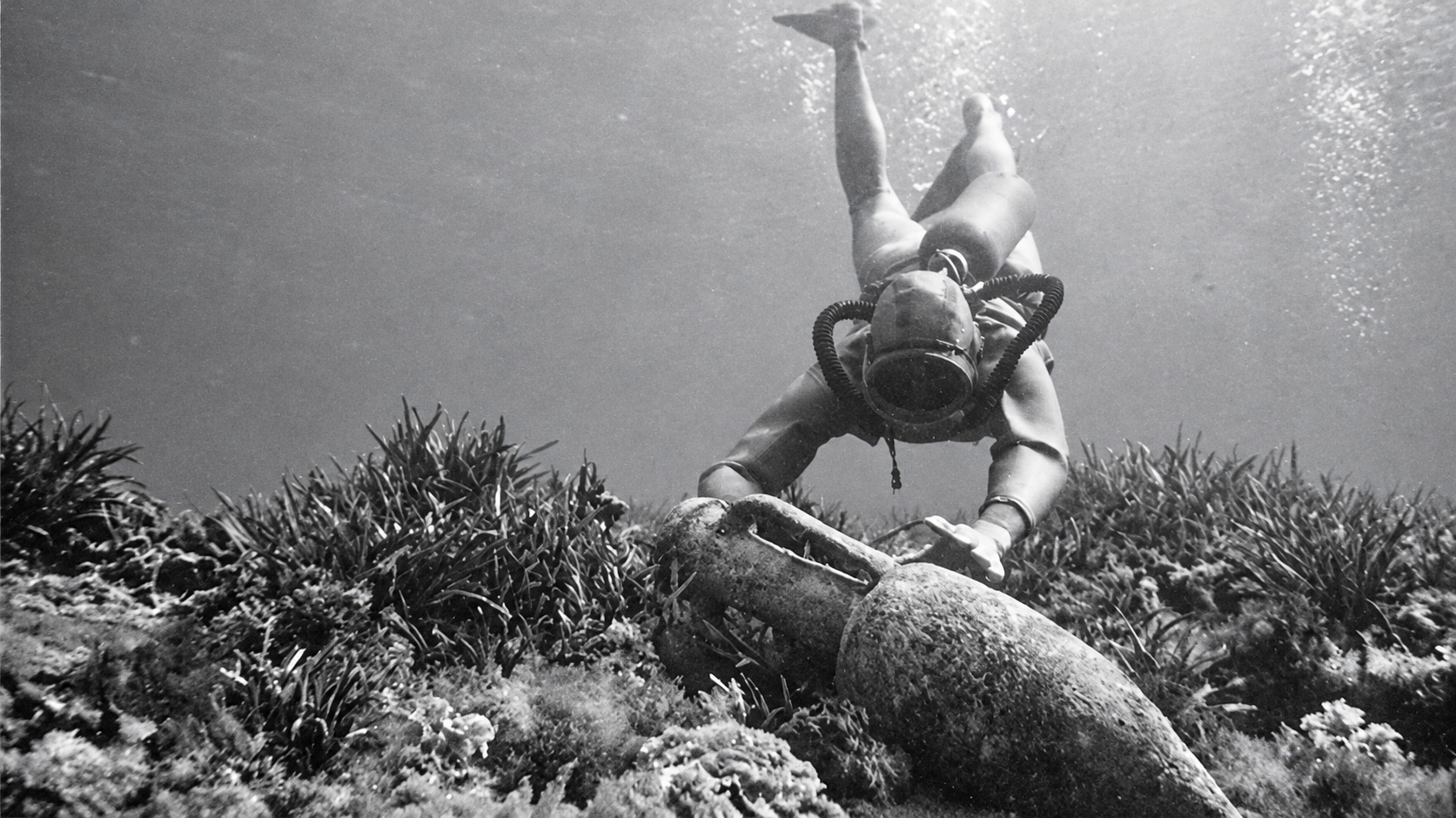
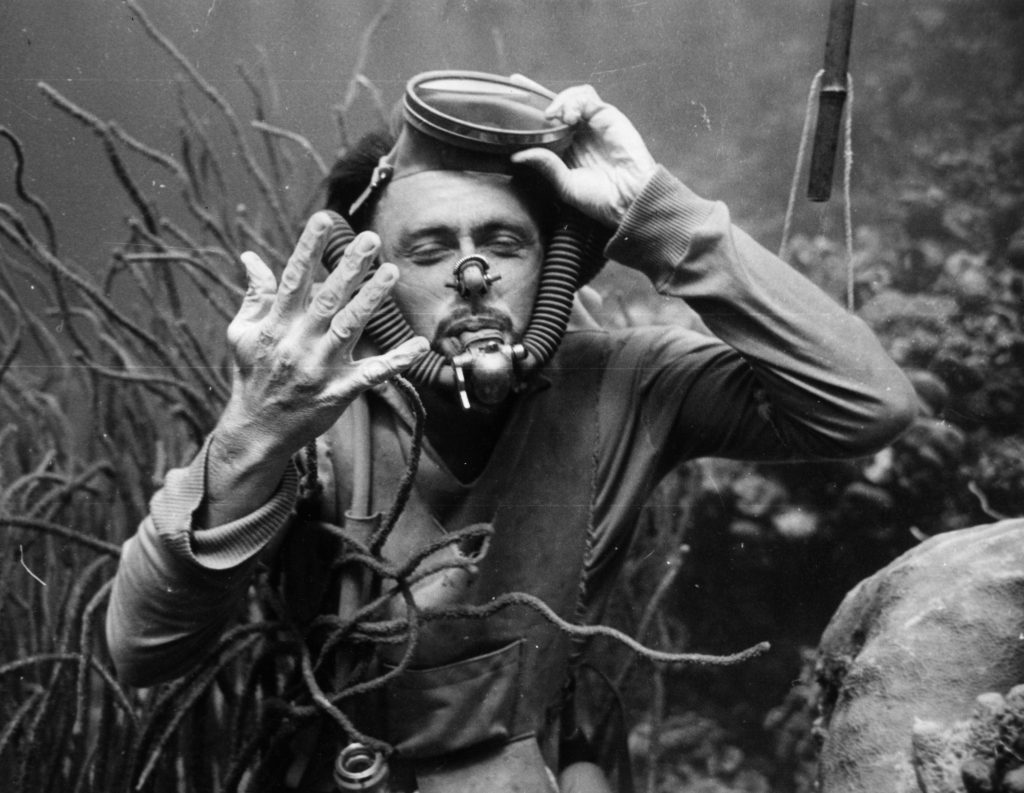
In 1939, at just twenty years old, he organized his first expedition to the Red Sea. At the time, there was no reliable self-contained breathing system available. Hass relied on basic equipment—mask, fins, and improvised solutions—to extend his time underwater.
These early dives were physically demanding and often dangerous. Without the safety and efficiency of modern scuba systems, every descent required careful planning and a high tolerance for risk. Despite these limitations, Hass managed not only to dive, but to document what he saw.
A New Way of Seeing the Underwater World
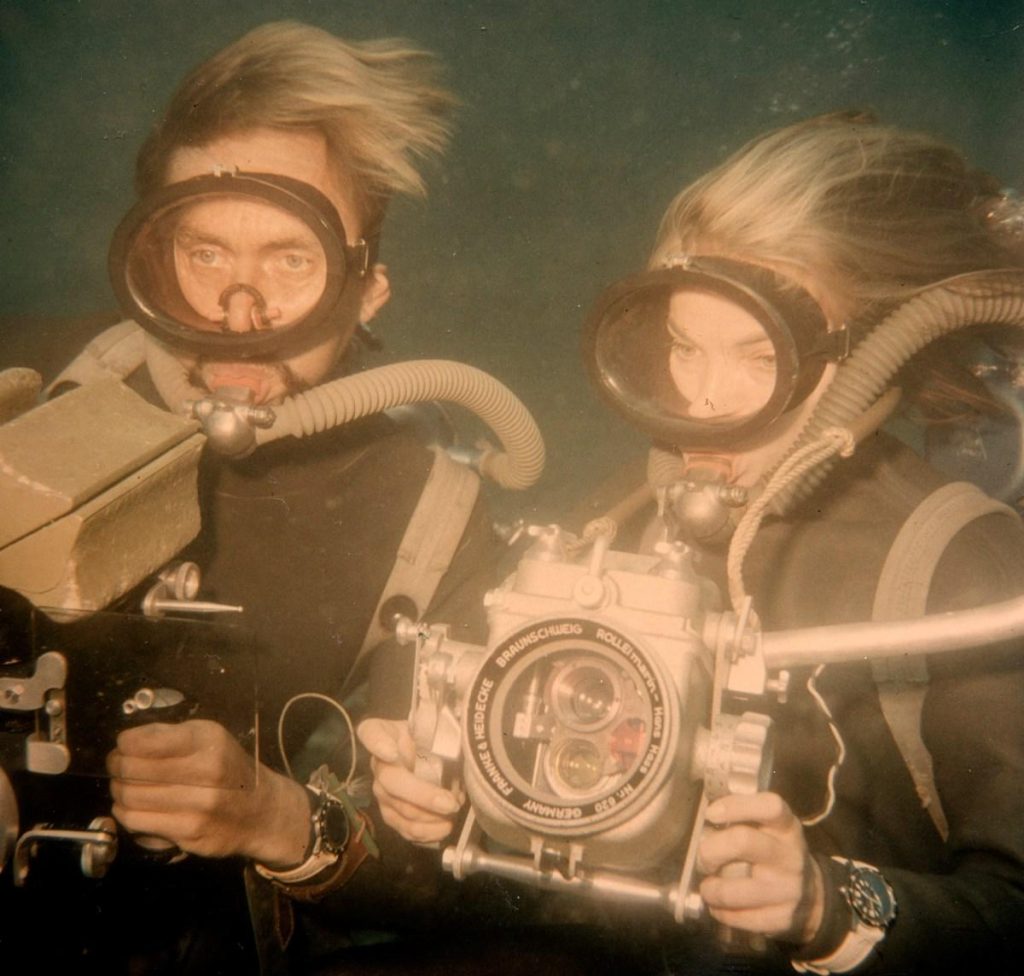
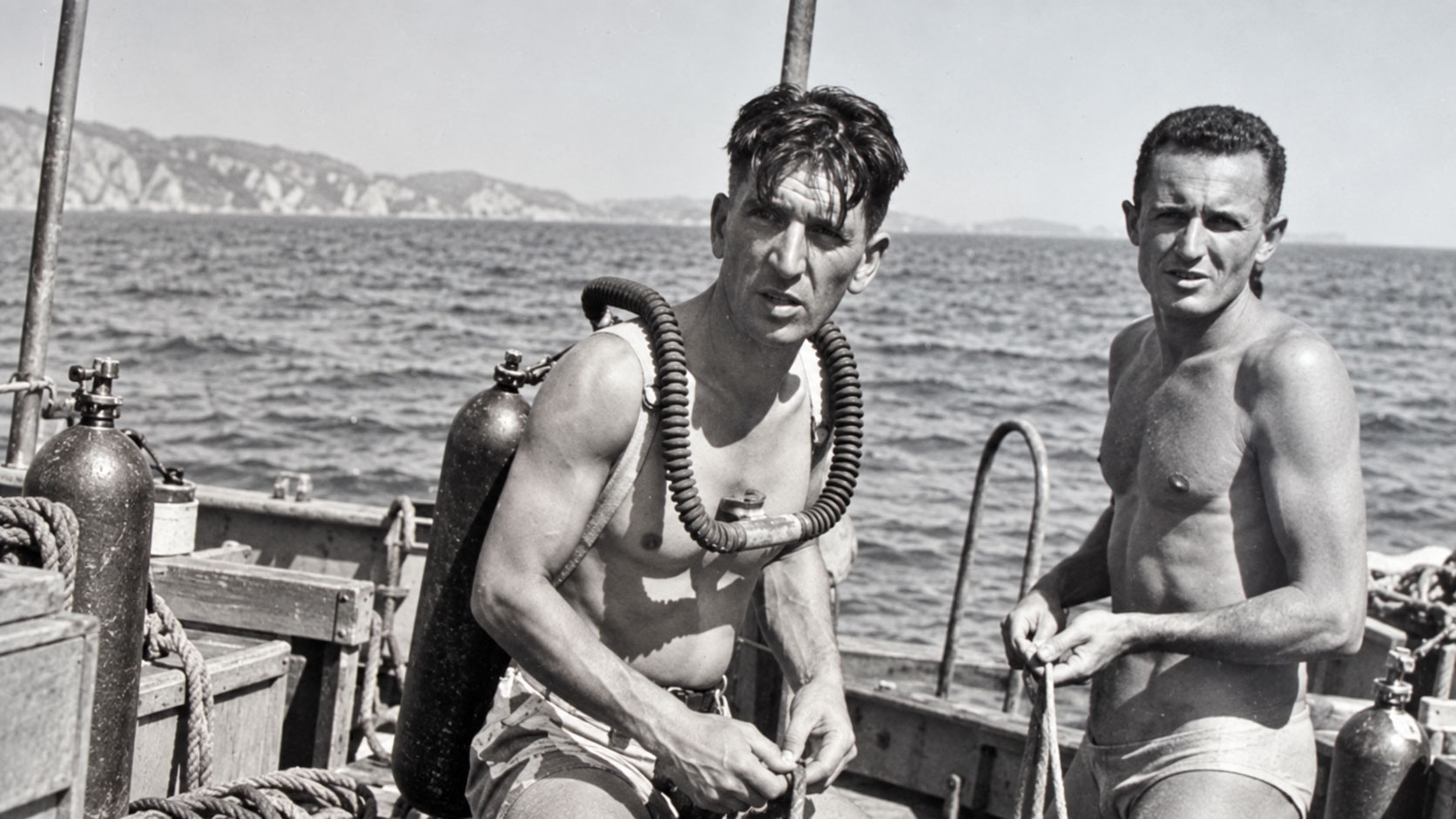
Hans and Lotte Hass
What distinguished Hans Hass from many early divers was his approach. He did not see the underwater world merely as a hostile environment to endure, but as a space to observe and understand.
He focused on documenting marine life in its natural state, often spending extended periods watching behavior rather than simply passing through. This approach led to some of the earliest systematic observations of underwater ecosystems.
His work also helped establish underwater photography and filming as serious tools for exploration. At a time when most people had never seen life beneath the surface, his images offered a first real connection to that hidden world.
Innovation Without Technology
He experimented with different techniques to extend dive times and improve mobility. While these methods were limited compared to what would come later, they allowed him to push beyond the boundaries of what was considered possible at the time.
In practice, this meant working with a combination of breath-hold diving and early rebreather systems. Hass used oxygen rebreathers—closed-circuit devices that recycled exhaled air by removing carbon dioxide and replenishing oxygen. These systems, although risky due to oxygen toxicity limits, allowed him to stay underwater significantly longer than traditional breath-hold divers.
He also refined the use of basic equipment such as masks and fins, optimizing movement and reducing energy consumption underwater. At a time when buoyancy control devices did not exist, Hass relied on careful body positioning, lung control, and weighting to maintain stability in the water.
Perhaps most importantly, he adapted his diving behavior. Instead of short, reactive dives, he approached the underwater environment with patience—remaining still, observing marine life, and minimizing disturbance. This not only extended his effective dive time but also allowed him to document more natural behaviors.
These combined techniques did not just help him stay underwater longer—they fundamentally changed how diving could be approached: not as a brief incursion, but as a sustained interaction with the underwater world.
The Role of Lotte Hass
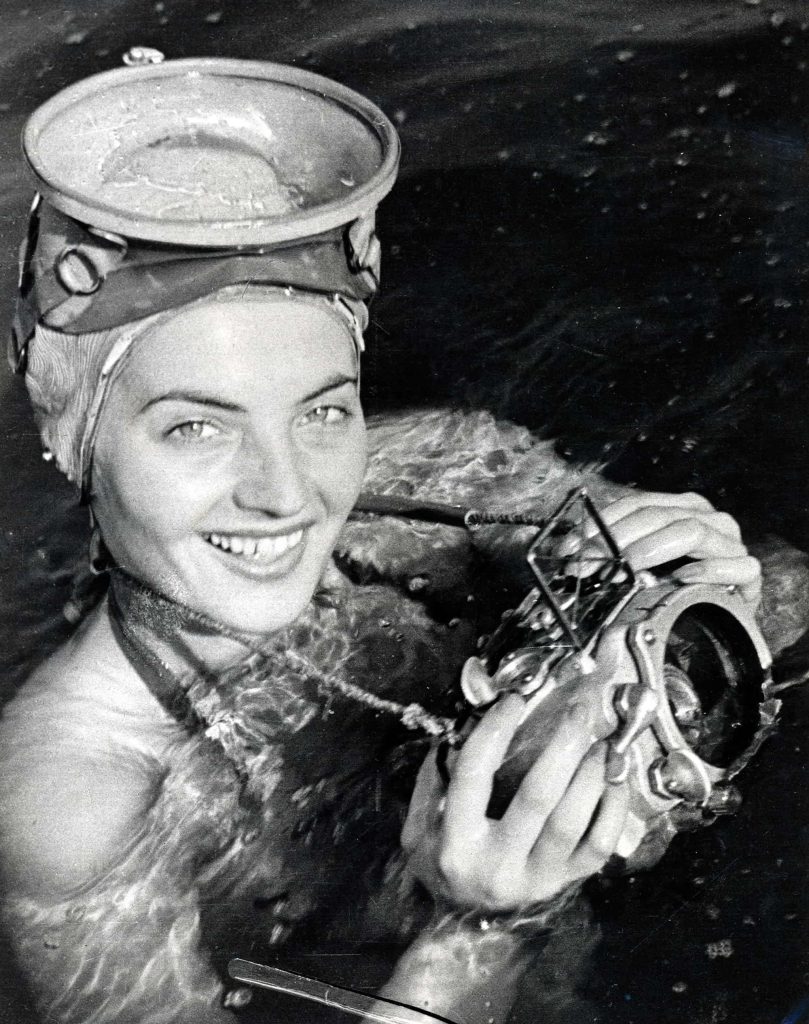
Lotte Hass
Lotte Hass was not simply a presence in front of the camera, but an active member of the expedition team. She trained as a diver, worked with early underwater equipment, and contributed directly to filming and documentation. During key expeditions, she even stepped in behind the camera when needed, helping capture some of the earliest underwater footage.
Her role was both practical and creative, making her an essential part of these early missions—not just a subject, but a contributor to how the underwater world was recorded and presented.
Film, Research, and Broader Ideas
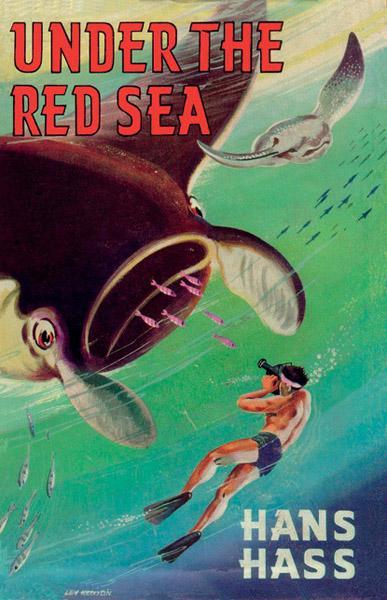
Hans Hass gained international recognition through his films and expeditions. His work reached audiences who had never seen the underwater world before, helping to build early public interest in the ocean.
Beyond exploration, he was also interested in broader patterns of behavior—both in marine life and in human societies. He attempted to interpret ecosystems as systems of interaction and balance, ideas that would later become central to ecological thinking.
While some of his later theories extended beyond strict scientific consensus, they reflect an effort to understand the underwater world as part of a larger, interconnected system.
Legacy
Hans Hass occupies a unique place in diving history. He represents a transitional moment—between the earliest attempts to enter the underwater world and the development of modern diving.
He helped shape:
- the use of diving as a tool for observation
- the development of underwater visual storytelling
- a more thoughtful approach to marine life
Most importantly, he contributed to a shift in perspective. The ocean was no longer just something distant or unknown—it became something that could be experienced, studied, and understood.
Hans Hass was not simply an early diver. He was one of the first to approach the underwater world with intention, curiosity, and a desire to document it.
Long before diving became widely accessible, he was already there—observing, filming, and laying the foundations for what would follow.
Inspired by the pioneers of diving?
Take that spirit with you.
👉 Explore our collection