A regulator free-flow can rapidly drain a scuba cylinder. Learn how to maintain a breathing supply, alert your buddy and respond safely underwater.

Guides
A regulator free-flow can rapidly drain a scuba cylinder. Learn how to maintain a breathing supply, alert your buddy and respond safely underwater.
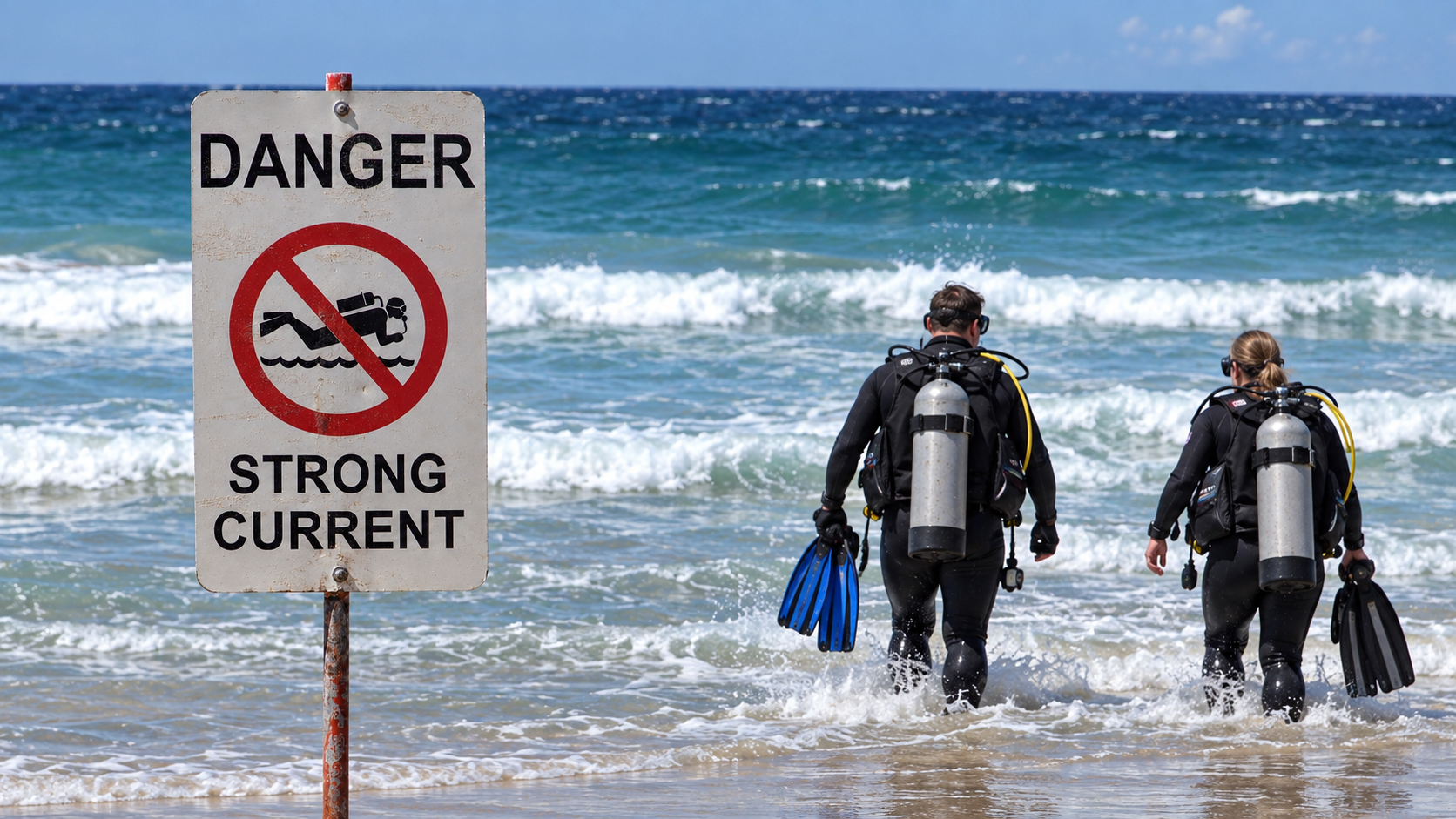
Strong underwater currents can cause exhaustion, separation and loss of depth control. Learn how divers should respond and prepare safely.

Nitrogen narcosis can impair judgement and awareness during deeper dives. Learn how to recognise its symptoms and respond safely underwater.

Want to become a scuba diver? Learn how to choose your first course, recognise a good instructor and begin your diving journey safely.
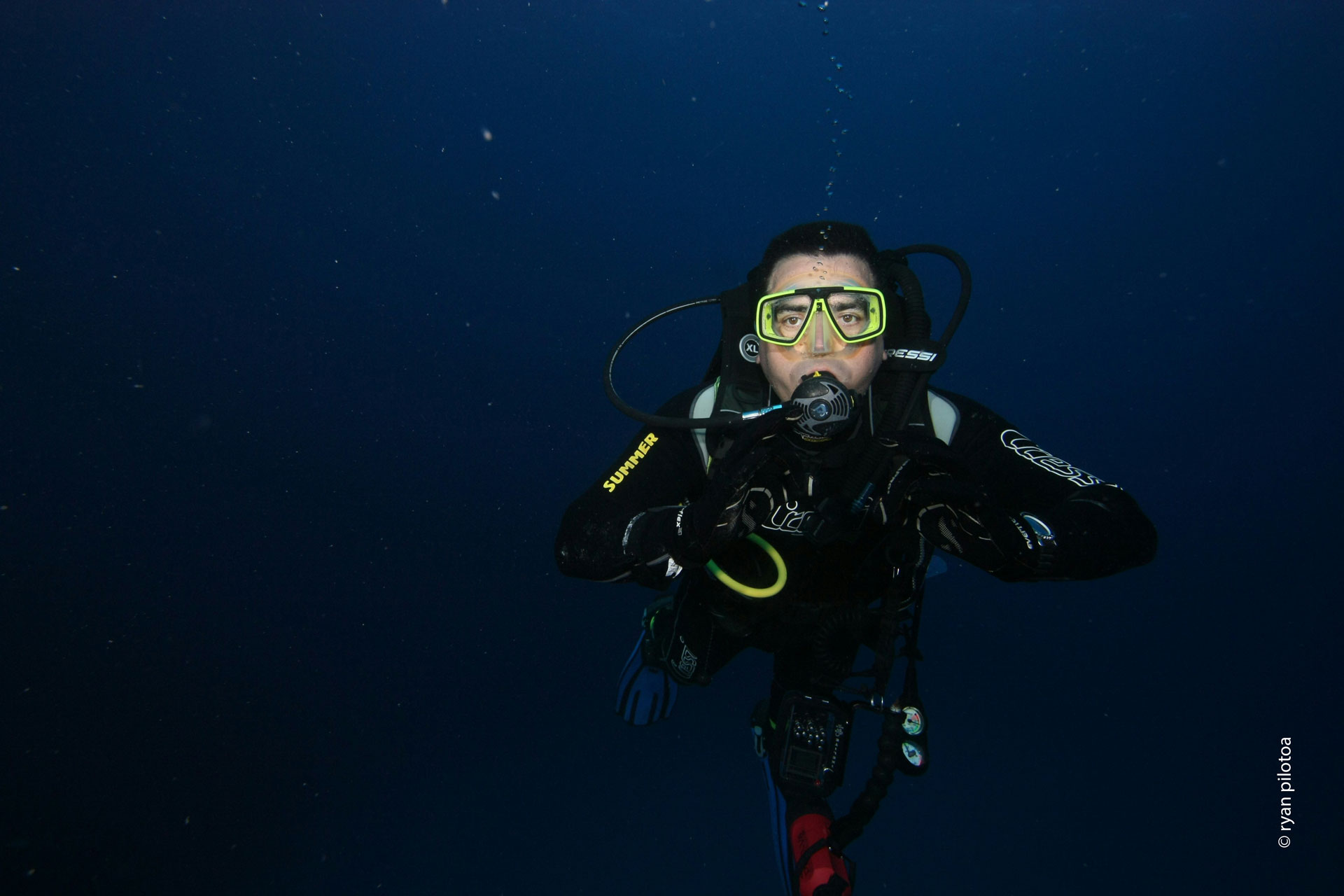
A reverse block occurs when expanding air becomes trapped inside the ears or sinuses during ascent. Learn how to respond calmly and safely.

Decompression sickness can affect any diver, sometimes even after a dive within accepted limits. Learn how to recognise the symptoms and respond correctly.
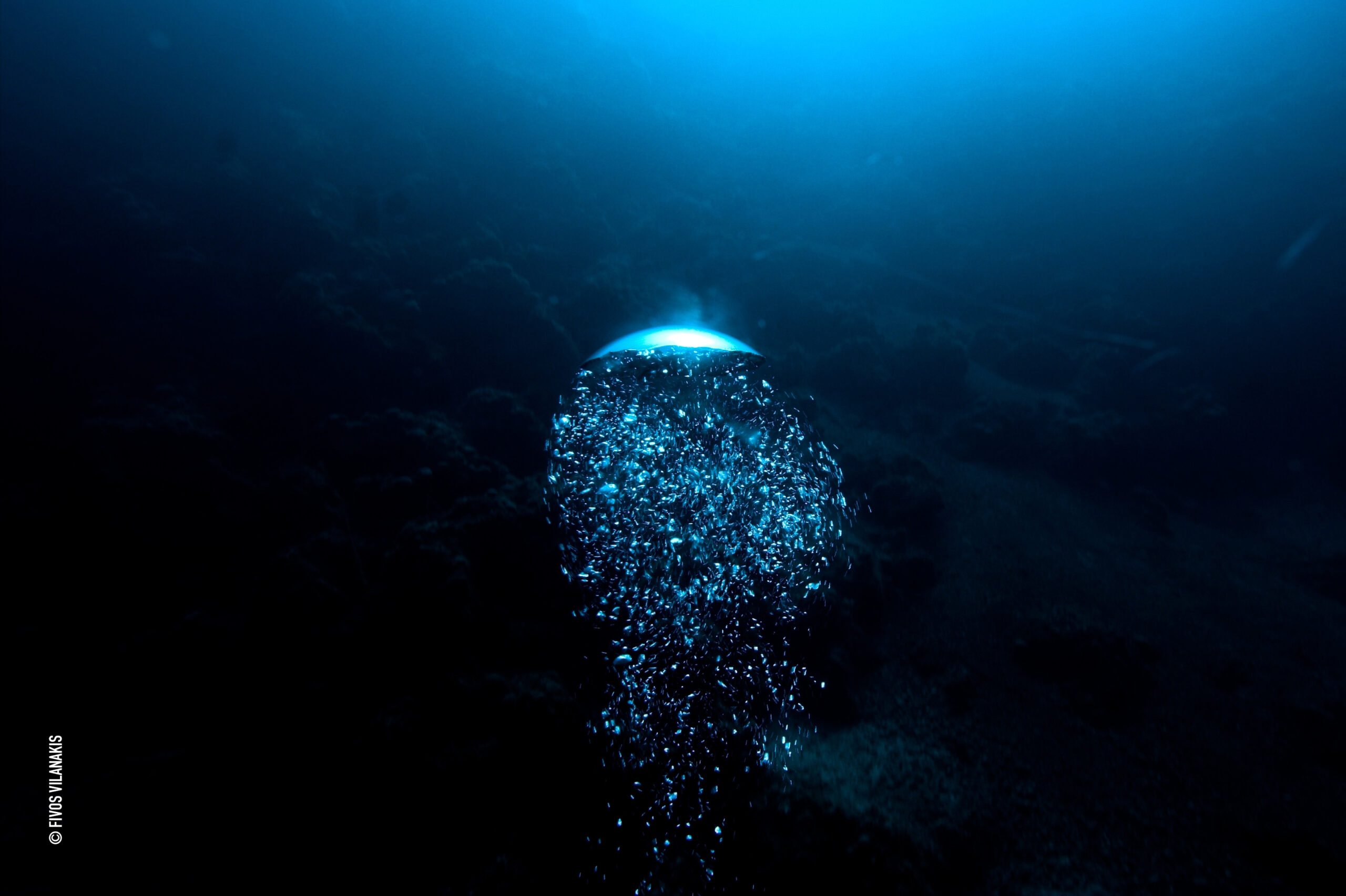
Arterial Gas Embolism (AGE) is one of scuba diving’s most serious medical emergencies. Learn how it occurs, how to recognise it, and the simple diving practices that help prevent it.
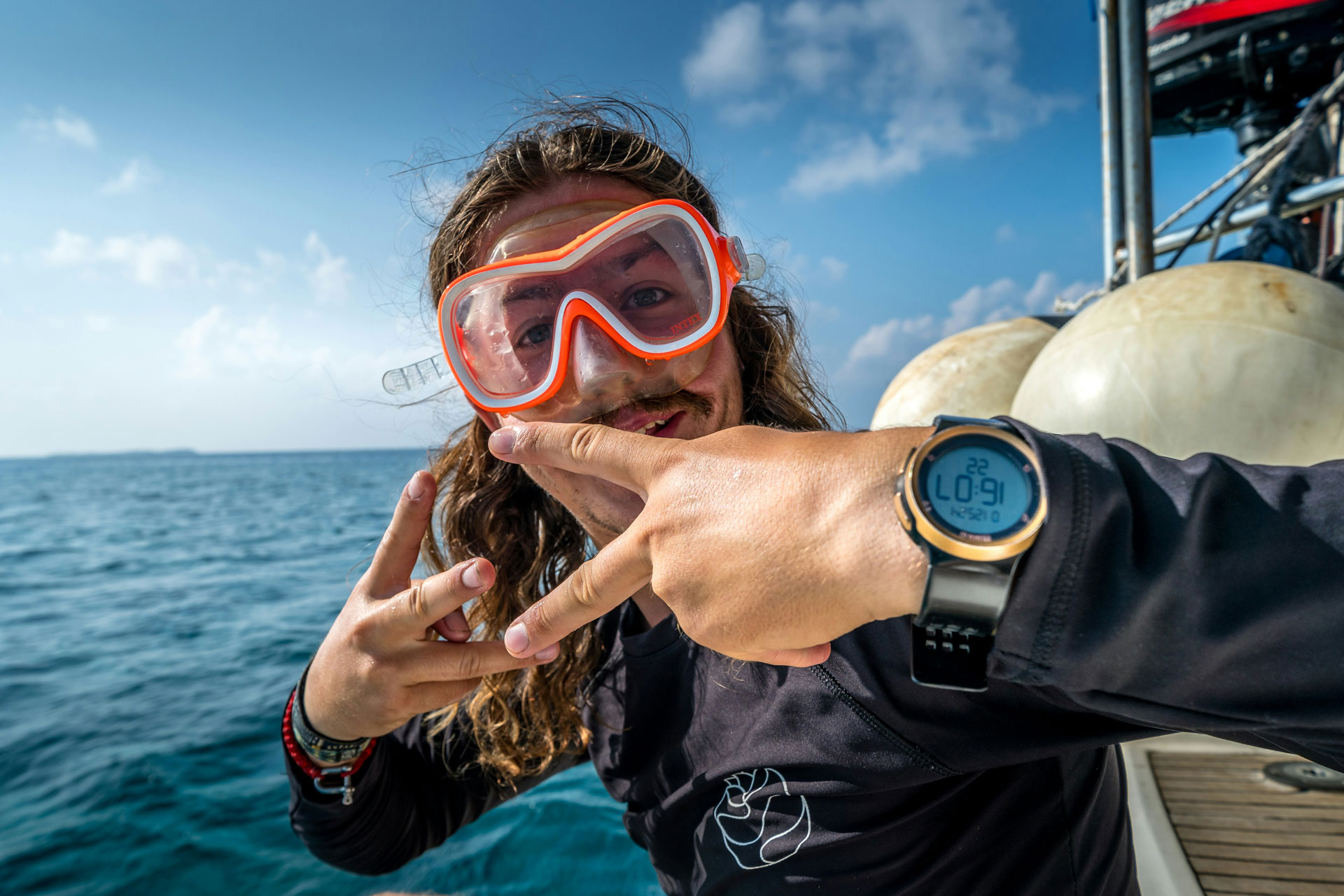
Your dive computer displays an NDL throughout the dive—but what does it actually mean? Learn how no-decompression limits work and why every diver should monitor them.