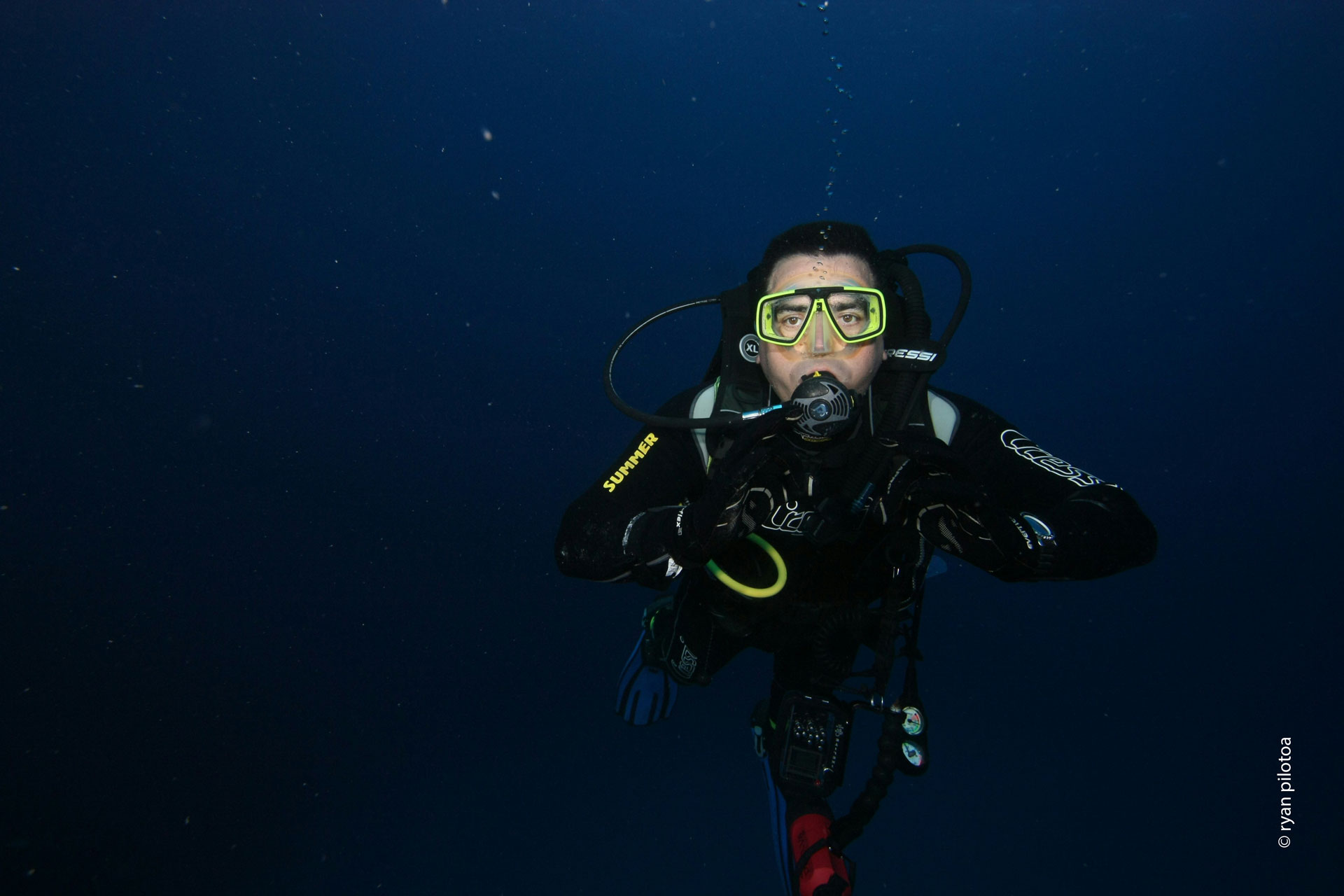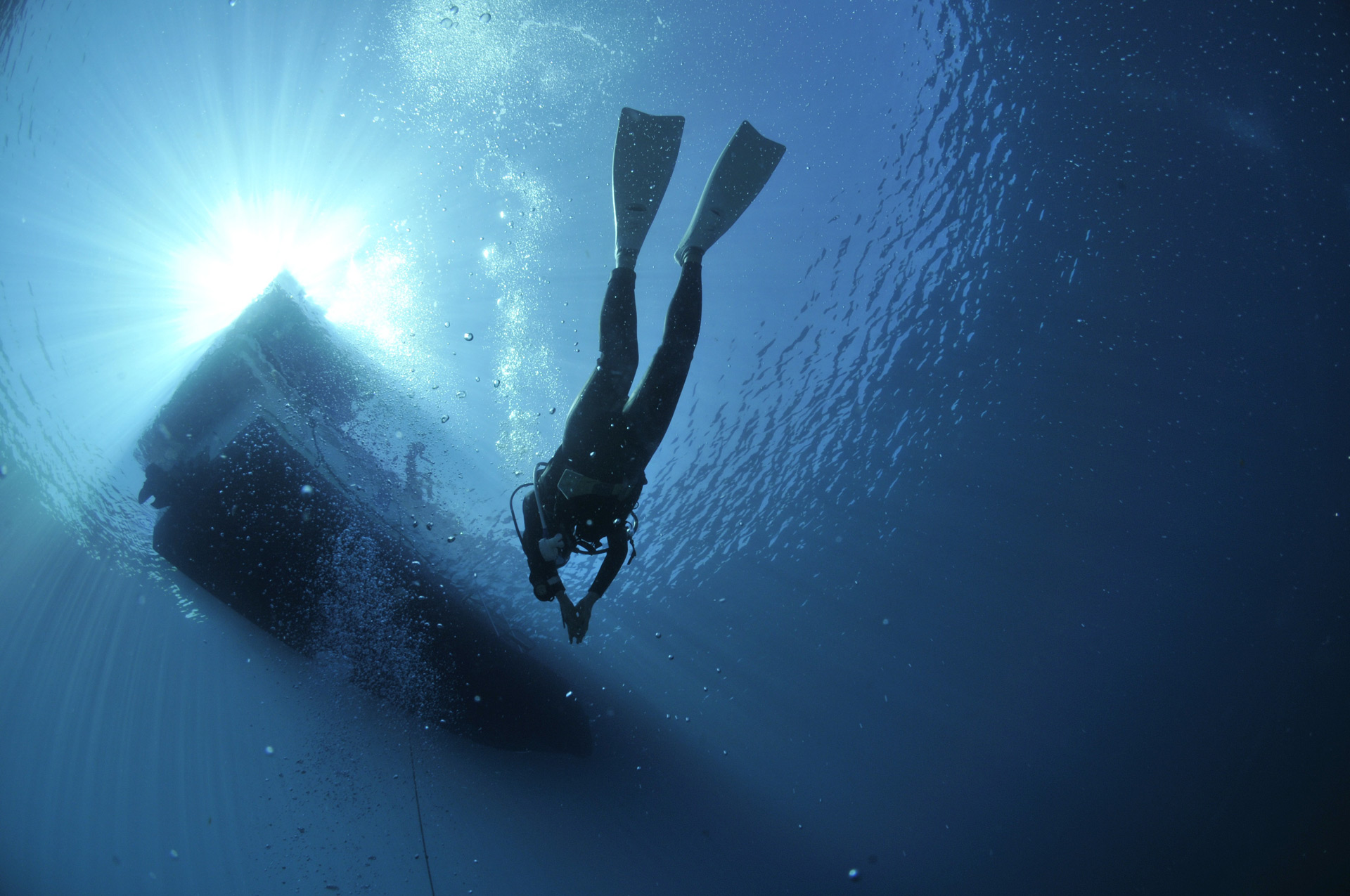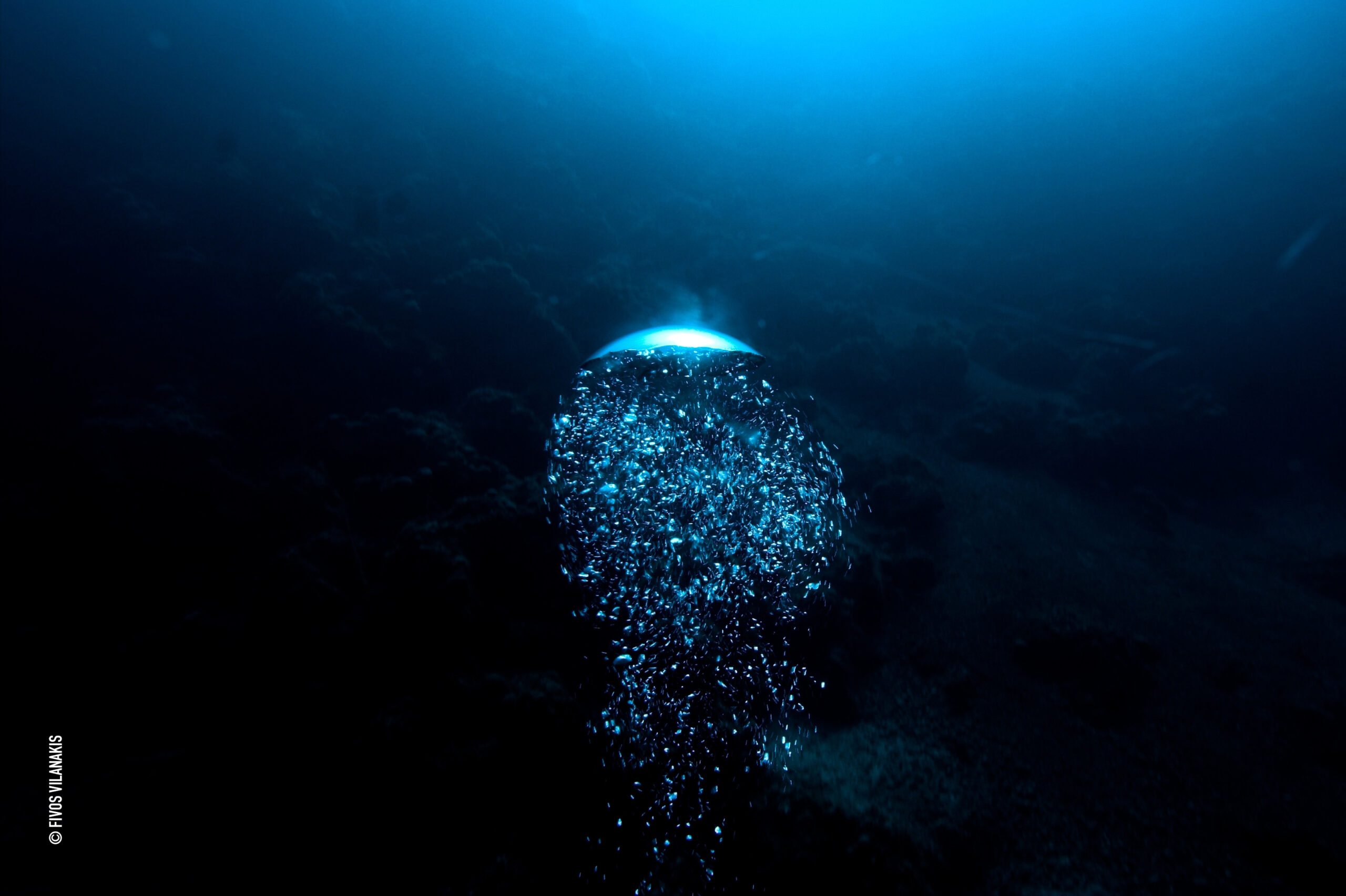

Nitrogen narcosis can impair a diver’s judgement, reactions and awareness before they fully realise that something is wrong.
Often described as feeling similar to alcohol intoxication, it may produce euphoria, anxiety, confusion or an unjustified sense of confidence. At depth, even a small error can quickly develop into a serious situation.
The effects are temporary and usually improve rapidly after ascending to shallower water. The greatest danger is not the narcosis itself, but the poor decisions a diver may make while affected by it.
Quick Answer
Nitrogen narcosis is a temporary change in awareness and behaviour caused by breathing gases under increased pressure. Its effects often become noticeable when diving on air beyond approximately 30 metres, although susceptibility varies between divers and even between dives.
If symptoms appear, signal your buddy and make a slow, controlled ascent to a shallower depth. Do not continue deeper. The symptoms should normally decrease quickly as the surrounding pressure falls.
NITROGEN NARCOSIS: QUICK FACTS
Common depth: Often noticeable beyond 30 metres when diving on air
Cause: Increased partial pressure of breathing gases at depth
Common symptoms: Poor judgement, confusion, euphoria, anxiety and slow reactions
Immediate response: Signal your buddy and ascend to a shallower depth
Duration: Usually resolves rapidly during ascent
Prevention: Limit depth, plan conservatively and use appropriate breathing gases and training for deeper dives
What Is Nitrogen Narcosis?
Nitrogen narcosis is a reversible alteration in consciousness, judgement and physical performance that can occur when a diver breathes gas under increased pressure.
As a diver descends, ambient pressure increases. The partial pressure of nitrogen in compressed air also rises, allowing nitrogen to affect the nervous system more strongly.
The exact biological mechanism is not completely understood, but the result can resemble intoxication. Thinking becomes slower, reactions may be delayed and the diver’s ability to recognise danger can deteriorate.
The condition is also called inert gas narcosis, because nitrogen is not the only gas capable of producing narcotic effects under pressure.
Unlike decompression sickness, narcosis is not caused by bubbles forming inside the body. It generally appears at depth and improves when the diver ascends.
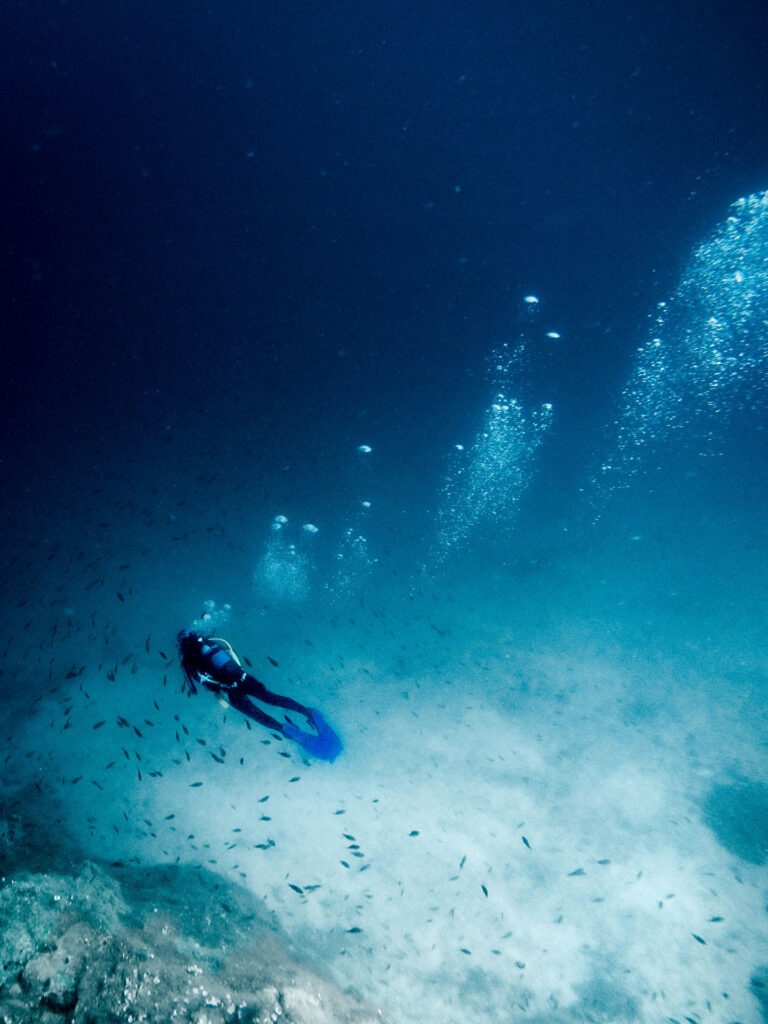
As depth increases, the effects of nitrogen narcosis can become more noticeable and unpredictable.
At What Depth Does Nitrogen Narcosis Begin?
There is no exact depth at which every diver suddenly becomes affected.
Subtle changes in performance may occur before the diver notices any obvious symptoms. When breathing air, the effects commonly become more noticeable at depths of approximately 30 metres and beyond, but one diver may experience significant impairment while another reports very little at the same depth.
Susceptibility can also vary in the same person from one day to another. Feeling comfortable during a previous deep dive does not guarantee that the next dive will feel the same.
As depth increases, the likelihood and potential severity of narcosis generally increase.
What Does Nitrogen Narcosis Feel Like?
The experience is not always pleasant or obvious. Some divers feel relaxed and euphoric, while others become anxious, fearful or mentally overwhelmed.
Possible symptoms include:
- Impaired judgement.
- Difficulty concentrating.
- Slower reactions.
- Confusion or forgetfulness.
- Overconfidence or euphoria.
- Anxiety, fear or a sense of impending danger.
- Fixation on a single task.
- Poor coordination.
- Drowsiness.
- Tunnel vision or reduced awareness.
- Difficulty reading instruments or completing simple actions.
A diver may repeatedly check the same gauge, forget part of the dive plan or struggle with a task that would normally be easy.
One of the most dangerous symptoms is overconfidence. A euphoric diver may believe everything is under control while ignoring depth, remaining air, decompression obligations or signals from a buddy.
THE DIVER MAY NOT RECOGNISE THE PROBLEM
Nitrogen narcosis affects the same judgement needed to identify it. A diver may feel unusually confident or dismiss warning signs instead of recognising that their thinking has become impaired.
This is why close buddy awareness is particularly important during deeper dives.
What Should You Do If Narcosis Occurs?
If you suspect nitrogen narcosis, stop descending and signal your buddy.
Begin a slow, controlled ascent to a shallower depth. Even ascending a few metres may noticeably reduce the symptoms.
Do not make a rapid or uncontrolled ascent. Continue monitoring your depth, ascent rate, remaining air and any required decompression or safety stops.
Once the symptoms improve, the safest response is generally to end the deep portion of the dive rather than descending again. Depending on the dive plan and conditions, this may mean continuing at a substantially shallower depth or ending the dive entirely.
A diver who has experienced significant confusion, anxiety or loss of control should not return to depth during that dive.
How Can a Buddy Recognise Narcosis?
A buddy may notice the effects before the affected diver does.
Warning signs can include an inappropriate response to a signal, unusual delay, poor coordination, sudden anxiety or behaviour that does not match the dive plan.
The diver may appear fascinated by an object, ignore instruments, swim deeper without reason or struggle to complete a familiar task.
If your buddy appears affected, establish contact, signal that you are ascending and guide them towards shallower water. Stay close enough to assist while maintaining control of your own buoyancy and ascent rate.
Complex explanations are unlikely to work well when judgement is impaired. Use simple, clear signals and take decisive but controlled action.
What Can Make Narcosis Worse?
Depth is the main factor, but several conditions may increase impairment or make its consequences more dangerous.
These include:
- Fatigue or inadequate sleep.
- Cold water.
- Anxiety or psychological stress.
- Alcohol or sedating medication.
- Heavy exertion.
- Elevated carbon dioxide levels.
- Poor visibility.
- Task loading.
- A rapid descent.
- An unfamiliar or demanding environment.
Carbon dioxide retention is particularly important. Hard swimming, dense breathing gas, inadequate ventilation or increased work of breathing can raise carbon dioxide levels and intensify the effects of narcosis.
A depth that felt manageable during a relaxed dive in warm, clear water may feel very different during a cold dive with current, poor visibility and heavy physical effort.
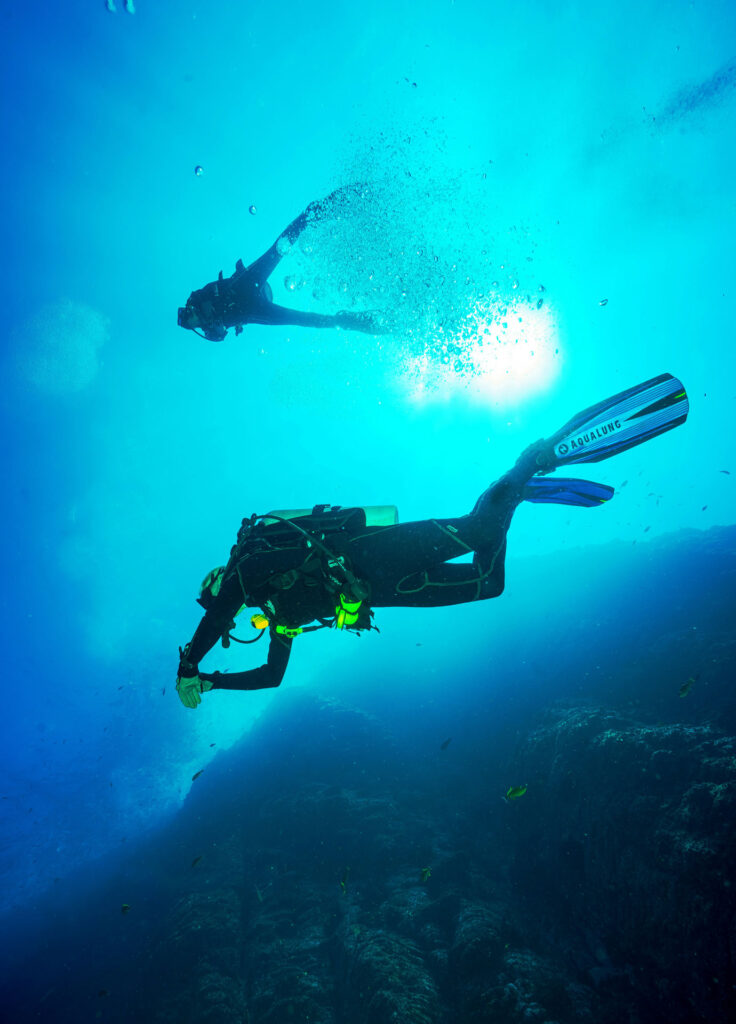
Conditions such as cold, fatigue, stress and exertion may intensify the effects experienced at depth.
Can Divers Develop a Tolerance?
Experienced divers may become better at recognising the sensation and managing their behaviour, but this should not be treated as true immunity.
Repeated deep diving does not make someone reliably resistant to narcosis. The effects can still vary depending on depth, fatigue, workload, temperature and other conditions.
Experience may help a diver notice that something feels wrong, but it does not remove the physiological effect or guarantee sound judgement.
Statements such as “I do not get narced” should therefore be treated with caution.
Does Nitrox Prevent Nitrogen Narcosis?
Nitrox should not be considered protection against narcosis.
Although nitrox contains less nitrogen than air, it contains more oxygen, and many diving procedures conservatively treat oxygen as contributing to the narcotic effect at depth.
More importantly, nitrox has a strict maximum operating depth because increased oxygen partial pressure can cause oxygen toxicity. It is not a gas for extending recreational depth limits.
For appropriately trained technical divers, helium-containing mixtures such as trimix can reduce narcosis during deeper dives. These gases require specialised training, equipment and dive planning.
NITROX IS NOT A DEEP-DIVING GAS
Nitrox can reduce nitrogen exposure within its permitted depth range, but it does not make deep diving automatically safer and should not be relied upon to prevent narcosis.<br><br>
Its maximum operating depth must always be respected to avoid excessive oxygen exposure.
How Can Divers Reduce the Risk?
The simplest way to reduce nitrogen narcosis is to limit depth.
Plan dives within your certification, experience and current comfort level. Increase depth gradually under appropriate supervision rather than treating a certification limit as an automatic target.
Before a deeper dive:
- Be well rested and properly hydrated.
- Avoid alcohol and impairing substances.
- Agree on the maximum depth and response to narcosis.
- Review simple buddy signals.
- Minimise unnecessary tasks at depth.
- Avoid heavy exertion.
- Monitor depth, time and remaining air frequently.
- Be prepared to abandon the dive without hesitation.
Good buoyancy and familiarity with equipment also reduce task loading, leaving more mental capacity to recognise and respond to a problem.
Is Nitrogen Narcosis Dangerous?
Nitrogen narcosis is usually reversible simply by ascending, but it can still be extremely dangerous underwater.
Impaired judgement may cause a diver to exceed the planned depth, misread a gauge, ignore a low-air situation, become separated from a buddy or respond incorrectly to an emergency.
The deeper the dive, the smaller the margin for error may become. Air consumption increases, decompression obligations can develop and breathing gas becomes denser. Narcosis can make all these challenges harder to manage.
If symptoms do not resolve after ascending or remain present after surfacing, they should not automatically be attributed to narcosis. End the diving activity and seek appropriate medical advice, particularly if the diver experiences neurological symptoms, breathing difficulty or persistent confusion.
The Most Important Response
Nitrogen narcosis can affect any diver breathing a narcotic gas at sufficient pressure. Experience may improve recognition, but it does not make a diver immune.
The safest response is simple:
Recognise the signs, signal your buddy and ascend slowly to a shallower depth.
A dive can always be attempted another day. Continuing deeper while judgement is already impaired turns a temporary and reversible condition into a potentially serious emergency.
This article provides general educational information and is not a substitute for recognised scuba-diving training or professional medical advice.