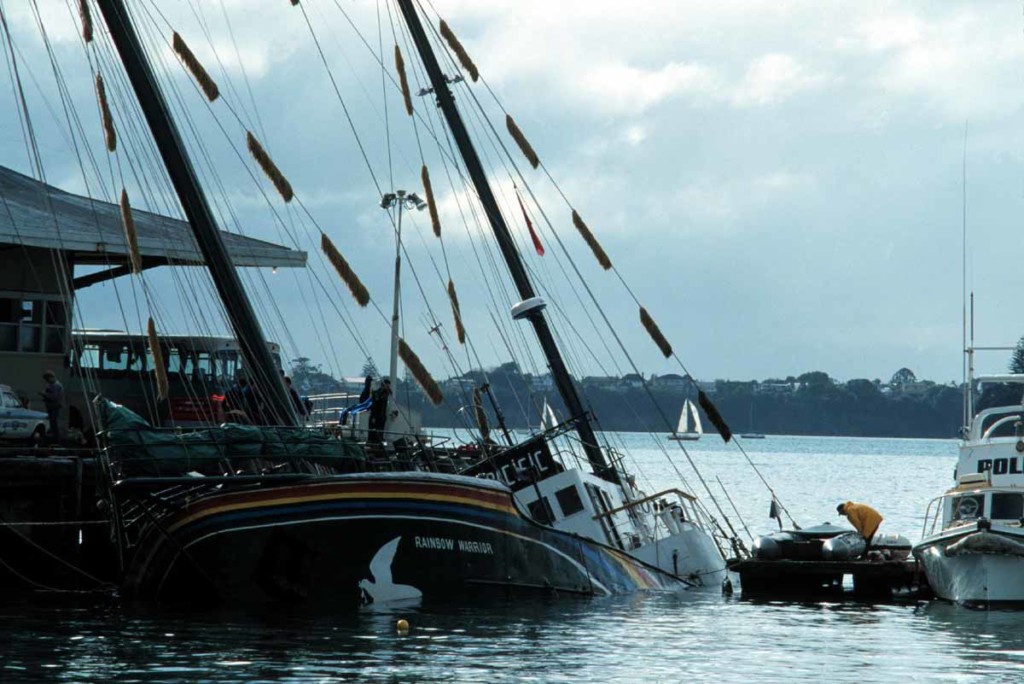
On the night of July 10, 1985, the Greenpeace ship *Rainbow Warrior* was moored at Marsden Wharf in Auckland, New Zealand. The vessel was preparing for a campaign against French nuclear testing in the Pacific, specifically at Moruroa Atoll in French Polynesia.
Before it could leave, two explosions tore through the ship.
At first, the crew thought they had been hit by another vessel. But the truth was far darker. The *Rainbow Warrior* had not been damaged in an accident. It had been deliberately sabotaged.
French secret service agents had planted explosive devices on the ship’s hull.
The attack killed Portuguese-Dutch photographer Fernando Pereira, a Greenpeace crew member who had joined the campaign to document the impact of nuclear testing in the Pacific. He had gone back below deck after the first explosion, reportedly to retrieve his camera equipment. A second blast followed, and Pereira drowned as the ship filled with water.
What began as a shocking attack on an environmental vessel soon turned into one of the most infamous political scandals of the 1980s.
A Ship Sent to Challenge Nuclear Testing
The *Rainbow Warrior* was more than just a ship. For Greenpeace, it was a floating symbol of peaceful resistance.
In the months before the attack, the vessel had been involved in campaigns across the Pacific, including the evacuation of residents from Rongelap Atoll, which had been contaminated by radioactive fallout from earlier nuclear testing. Its next mission was to lead a protest flotilla against French nuclear tests at Moruroa.
France considered its nuclear program a matter of national security and international power. Greenpeace saw the tests as a threat to the Pacific, its people and the marine environment.
The conflict was already political.
The sinking made it global.
The Night of the Attack
The operation was carried out by agents of the French foreign intelligence service, the DGSE. Explosives were attached to the hull of the *Rainbow Warrior* by underwater operatives.
The first explosive device was intended to damage and disable the vessel. The second ensured it would sink.
It was a chilling detail: this was not a warning, and it was not a symbolic act. It was a planned sabotage operation against a civilian environmental ship, carried out in the harbour of a friendly country.
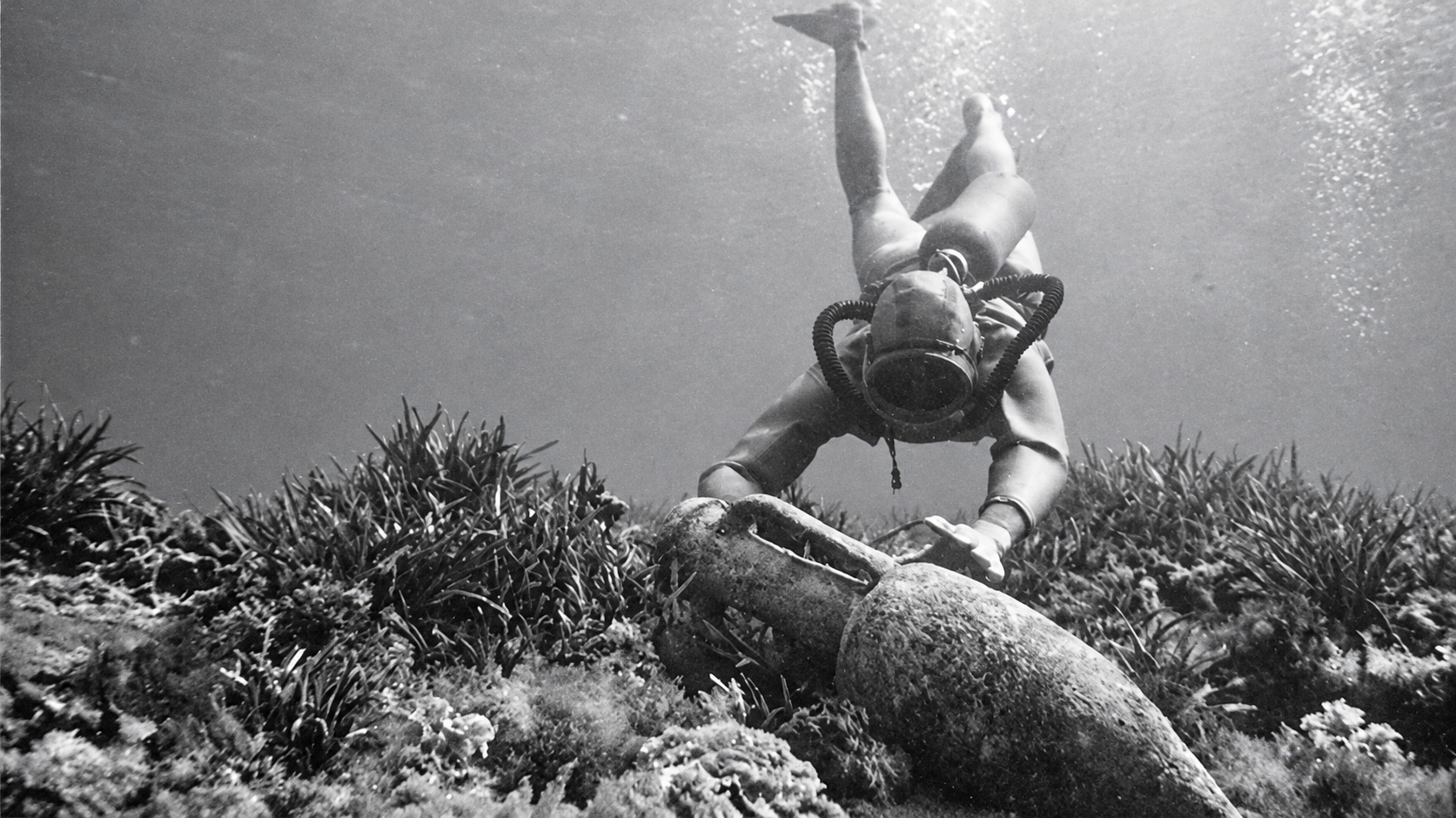
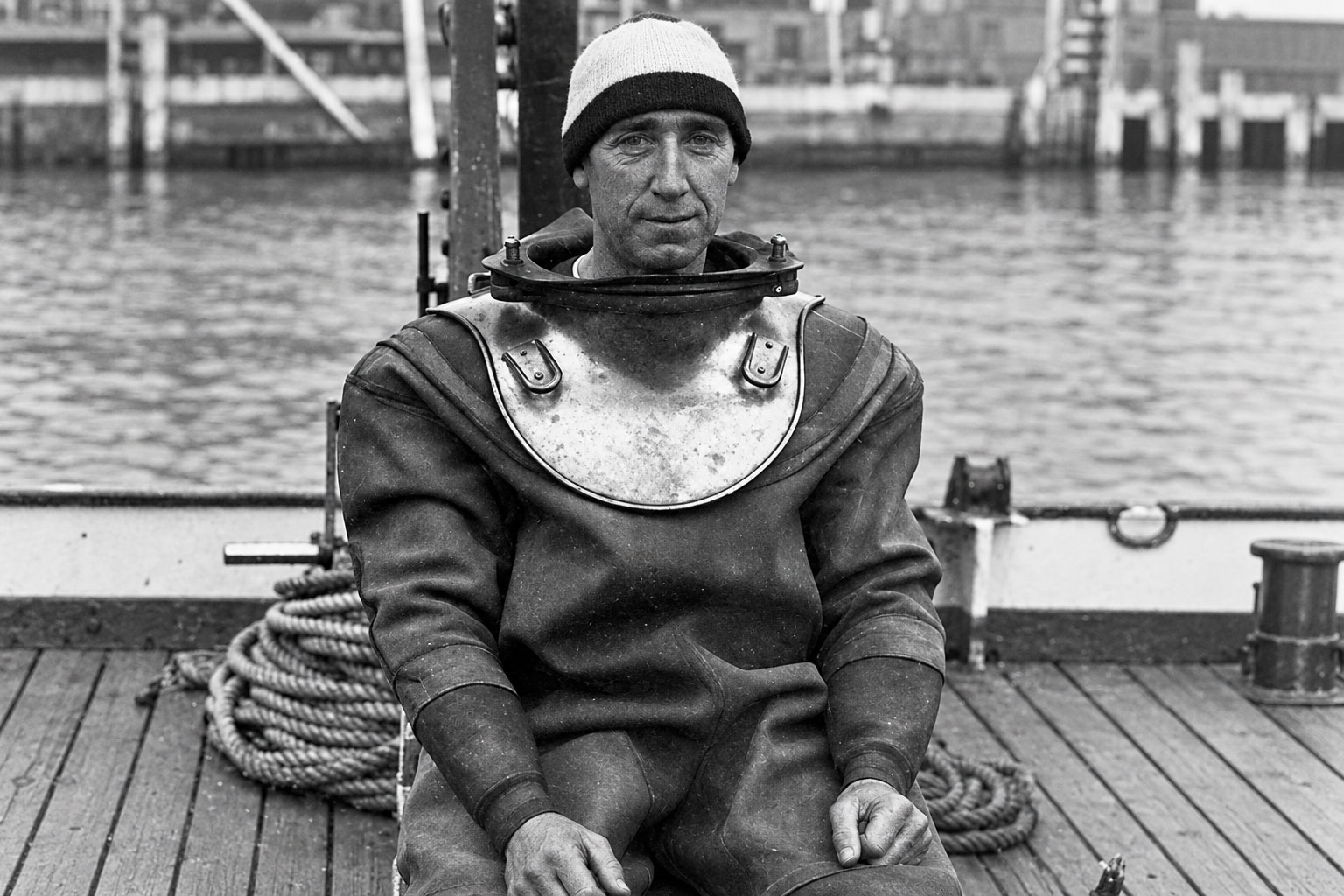
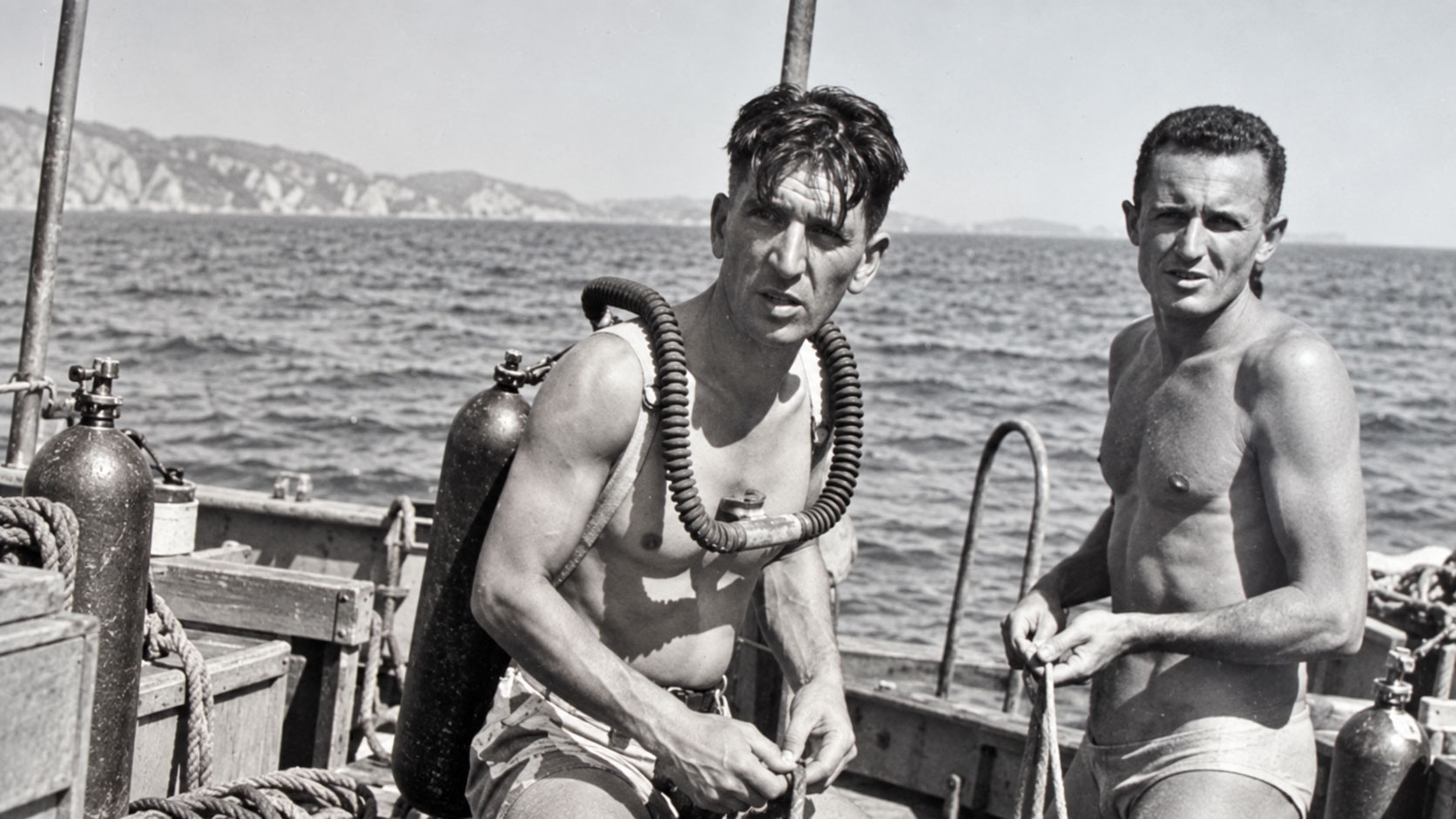
The fact that divers were used to place the explosives gives the event a particularly dark place in maritime and diving history. Underwater skill, usually associated with exploration, science and rescue, was used here as a tool of covert destruction.
The Cover-Up Begins
At first, the French government denied involvement.
That denial did not last.
New Zealand police launched a murder investigation. Two French agents, Alain Mafart and Dominique Prieur, had entered the country posing as a Swiss couple under false identities. They were arrested, and the investigation began to expose a wider intelligence operation.
The case quickly moved from a local criminal investigation to an international diplomatic crisis.
France, a major Western power, had carried out a covert operation on the territory of New Zealand, a friendly democratic nation. The target was not a military vessel. It was not an enemy ship. It was a Greenpeace vessel preparing for a peaceful protest.
The political pressure became impossible to contain.
The Political Thriller Unfolds
As the scandal grew, the official French position began to collapse.
Reports in the press contradicted the early denials. Evidence pointed toward the French secret services. The affair reached the highest levels of government in Paris.
Eventually, French Prime Minister Laurent Fabius publicly admitted that agents of the French secret service had sunk the ship and that they had acted under orders.
The admission was explosive.
French Defence Minister Charles Hernu resigned. Admiral Pierre Lacoste, the head of the DGSE, was dismissed. What had started as a secret operation to stop an environmental protest had become a major political crisis for the French government.
For many observers, the most disturbing part of the affair was not only the attack itself, but the attempt to deny and conceal state responsibility after a man had been killed.
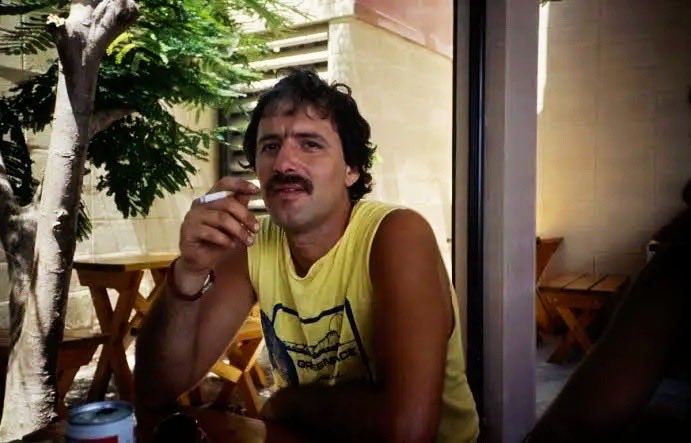
Fernando Pereira: The Human Cost
Behind the geopolitics, the intelligence operation and the diplomatic scandal was a human life.
Fernando Pereira was 35 years old. He was a photographer, a father and a Greenpeace crew member. His role was to document what was happening in the Pacific and bring those images to the world.
His death transformed the sinking from sabotage into tragedy.
The *Rainbow Warrior* was meant to carry cameras, banners and witnesses. Instead, it became the scene of a fatal covert attack.
For Greenpeace and the wider environmental movement, Pereira became a symbol of the risks faced by those who challenge powerful interests.
From Wreck to Living Reef
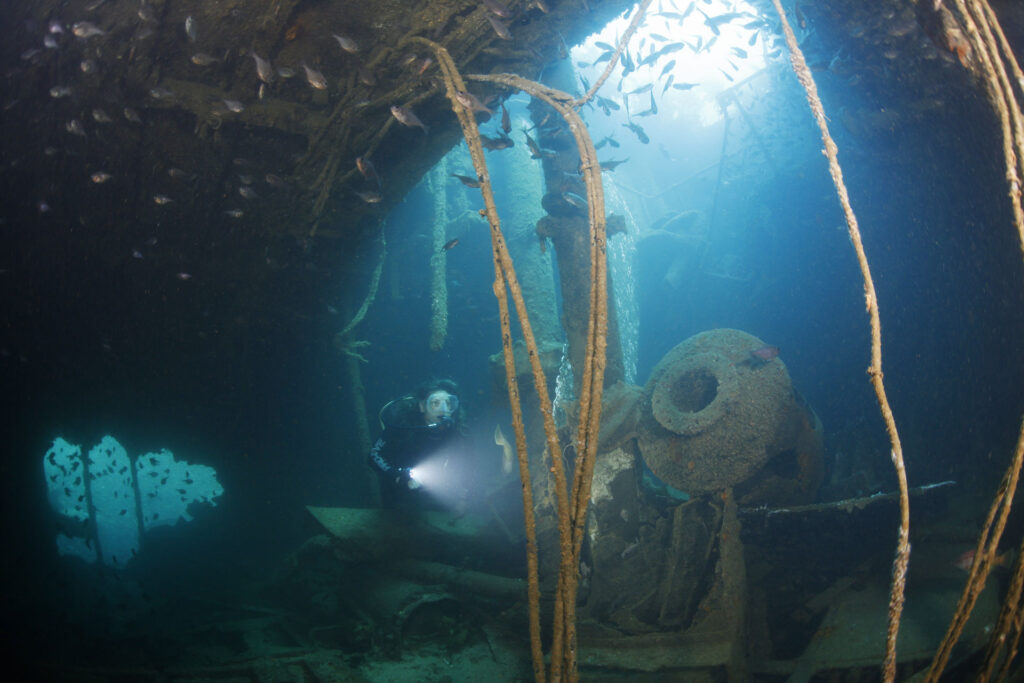
After the attack, the damaged *Rainbow Warrior* was eventually moved and scuttled at Matauri Bay, in New Zealand’s Cavalli Islands, in 1987.
There, the ship found a second life.
Today, the wreck rests underwater as a living memorial and artificial reef. Marine life has colonised the structure, and divers can visit the remains of a vessel that once stood at the centre of one of the biggest environmental and political scandals of the modern era.
It is a powerful transformation: a ship sunk to silence protest became a place of memory, life and reflection beneath the sea.
Why the Rainbow Warrior Still Matters
The sinking of the *Rainbow Warrior* remains one of the clearest examples of how far a state was willing to go to protect a nuclear testing program from public scrutiny.
It also showed the power of environmental activism.
The attack did not silence Greenpeace. If anything, it amplified the message. The name *Rainbow Warrior* became known around the world, not only as a ship, but as a symbol of resistance against environmental destruction and political secrecy.
For divers, the story carries an added weight. The wreck is not just metal on the seabed. It is a reminder that the ocean has always been connected to politics, power and protest.
Some wrecks tell stories of storms, war or navigation errors.
The *Rainbow Warrior* tells a different story: a story of peaceful activism, covert violence, a failed cover-up and a ship that became more powerful after it sank.
Nearly four decades later, its message still rises from the depths.
You can sink a ship.
You cannot always sink what it stands for.