Few things can ruin a dive faster than sharp ear pain during descent.
Almost every diver experiences it at some point, especially during their first dives. Fortunately, in most cases the solution is simple: learning how to equalize properly.
The important thing is knowing when to equalize, how to do it and when to stop descending.
Ignoring ear pain is never the answer.
Quick Answer
Why do my ears hurt while scuba diving?
Ear pain occurs because water pressure increases as you descend. Unless you equalize the pressure inside your middle ear, the pressure difference pushes against your eardrum, causing discomfort or pain. The good news is that most cases can be prevented by equalizing early and often.
Why Does It Happen?
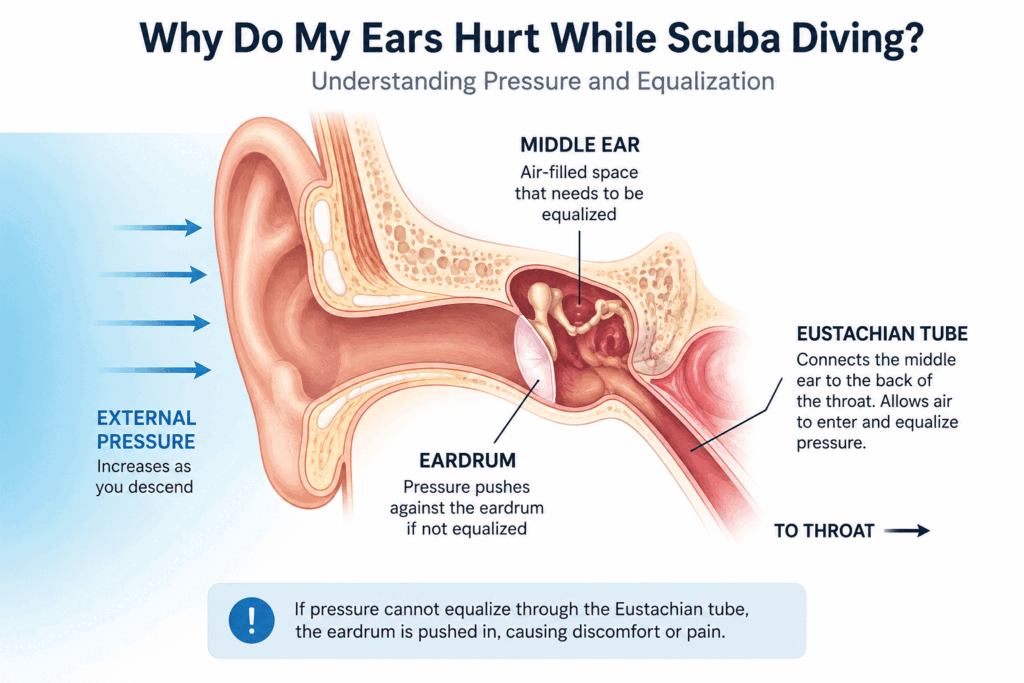
Your middle ear is an air-filled space connected to your throat through the Eustachian tube.
As you descend, the surrounding water pressure increases rapidly.
If air cannot enter the middle ear through the Eustachian tube, pressure builds against the eardrum.
This pressure difference causes discomfort and, if ignored, can eventually lead to an ear barotrauma.
Common Mistake
Many beginners wait until their ears start hurting before trying to equalize.
By then, it may already be difficult because the Eustachian tube has started to close.
Equalize before you feel pain—not after.
Equalize Early and Often
The best habit is simple:
Equalize before you feel any pressure.
Many experienced divers equalize even before their head goes underwater and continue every few feet during the descent.
Frequent, gentle equalization is much easier than trying to force it after pain begins.
The Most Common Equalization Technique
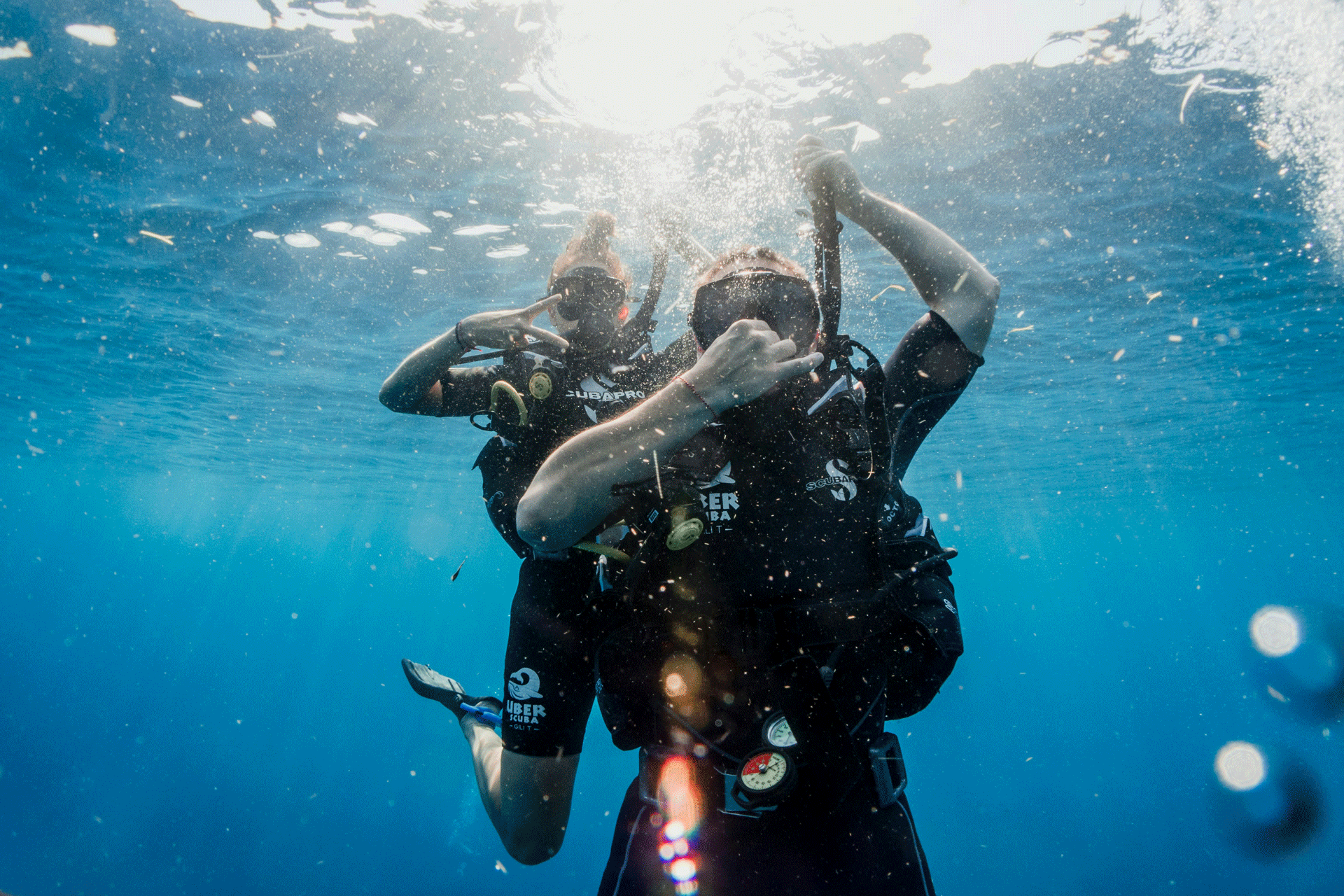
The technique most divers learn first is the Valsalva maneuver:
- Pinch your nose.
- Close your mouth.
- Blow gently against your pinched nose.
You should feel a slight “pop” in your ears.
Never blow forcefully.
A gentle pressure is all that’s required.
Other Equalization Techniques
The Valsalva maneuver is the most common method, but it is not the only one.
Some divers find other techniques easier or more comfortable, such as:
- swallowing
- moving the jaw from side to side
- gently wiggling the jaw
- using the Frenzel technique
Different divers equalize in different ways, and some methods work better for some people than others.
The important thing is not which technique you use.
The important thing is that you can equalize gently, early and consistently.
What If You Cannot Equalize?
If your ears do not equalize, do not force it.
Stop descending immediately.
Go up slightly until the pressure decreases, relax, and try again gently.
If you still cannot equalize, the safest decision is to end the dive.
Never continue descending with ear pain.
Pain is your warning sign that something is wrong.
Safety Reminder
If you feel ear pain while descending, stop immediately, ascend slightly and try to equalize again gently. Never force equalization and never continue descending through pain.
Can You Dive With a Cold or Congestion?
Diving with a cold, sinus congestion or blocked nose can make equalization difficult or impossible.
When the Eustachian tubes are blocked, air cannot move freely into the middle ear.
This increases the risk of ear pain, barotrauma or a reverse block during ascent.
For this reason, it is usually better to skip the dive if you are congested or cannot equalize comfortably on land.
A missed dive is better than an injured ear.
Ear Pain During Ascent
Most ear problems happen during descent, but discomfort can also occur during ascent.
This may happen when expanding air cannot leave the middle ear properly.
Divers sometimes call this a reverse block.
If you feel pressure or pain while ascending, do not rush upward. Slow down, stop if possible, descend slightly if needed and allow the pressure to release gradually.
If symptoms continue after the dive, seek medical advice.
Common Symptoms to Take Seriously
Ear discomfort during diving should never be ignored.
After a dive, pay attention to symptoms such as:
- continuing ear pain
- dizziness
- ringing in the ear
- reduced hearing
- fluid or blood from the ear
- nausea or balance problems
These symptoms may indicate an ear injury and should be checked by a medical professional.
How to Prevent Ear Pain While Diving
Good equalization begins before the dive.
A few simple habits can help:
- equalize before you feel pressure
- descend slowly
- keep your head slightly up during descent
- stay relaxed
- avoid diving when congested
- never force equalization
- stop the dive if pain continues
For most divers, the biggest improvement comes from slowing down.
A calm, controlled descent gives your ears time to adjust.
Final Thoughts
Ear pain is common among new divers, but it should never be treated as normal.
Your ears are telling you that pressure is not equalizing properly.
Most problems can be avoided by equalizing early, descending slowly and stopping immediately if pain appears.
Learning to equalize comfortably is one of the most important basic skills in scuba diving.
It makes dives safer, calmer and far more enjoyable.