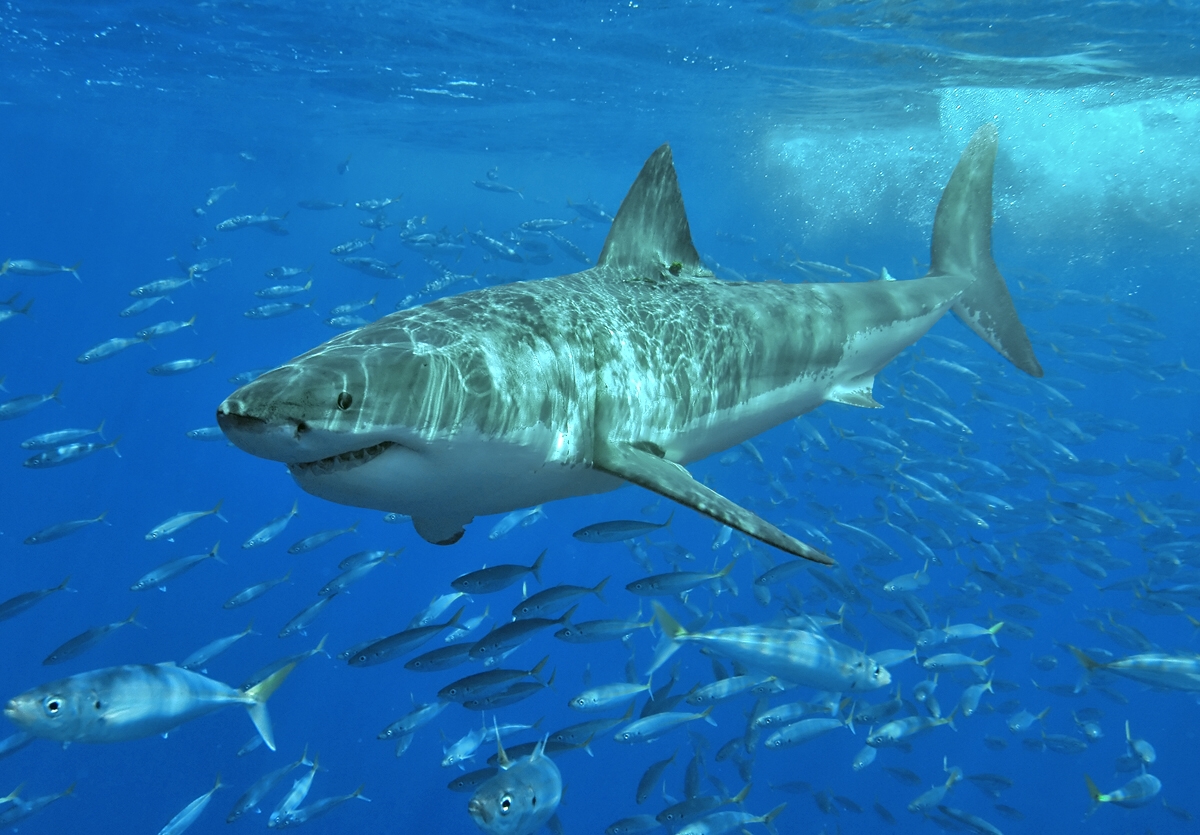
A rare encounter with a great white shark in the Mediterranean Sea has caught the attention of divers, researchers, and ocean lovers around the world.
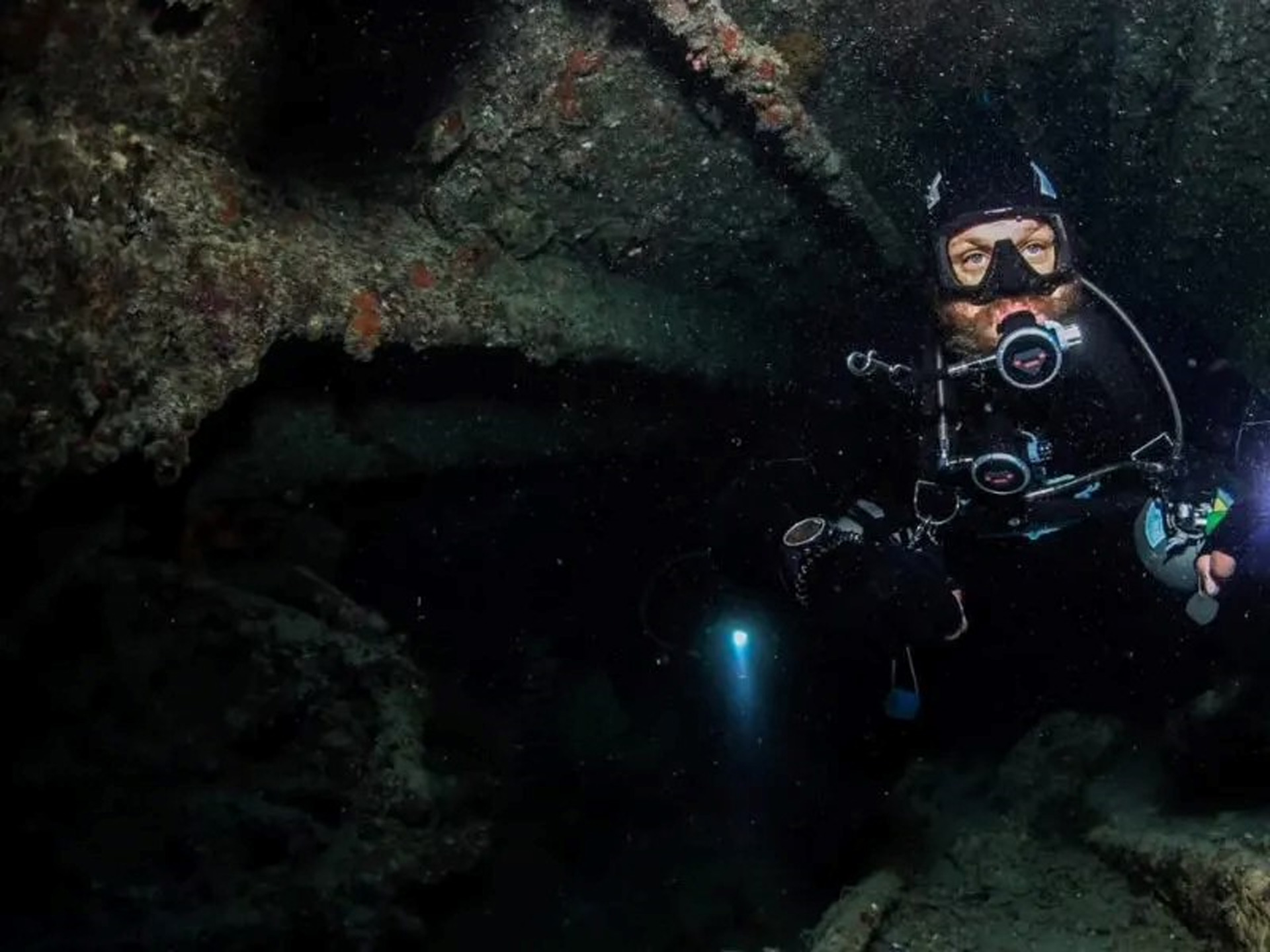
The footage, captured by volunteer diver Derk Remmers during a ghost net removal mission, is believed to be the first underwater video of an adult great white shark in its natural habitat in the Mediterranean Sea. The encounter took place offshore, between Sicily and Tunisia, while divers were working around a shipwreck affected by abandoned fishing gear.
For many people, the words “great white shark” immediately bring fear.
But for divers, conservationists, and anyone who loves the sea, this moment should mean something different.
It is not a reason to panic.
It is a reminder that the Mediterranean is still wild, still alive, and still home to some of the ocean’s most iconic creatures.
A Rare Visitor, Not a Monster
Great white sharks are often presented as villains in popular culture. Movies, headlines, and dramatic language have helped create an image of sharks as aggressive animals constantly searching for humans.
Reality is very different.
Sharks are part of the ocean’s natural balance. As apex predators, they help keep marine ecosystems healthy by influencing the behaviour and population of other species. Their presence is not a sign that something is wrong with the sea. In many ways, it is a sign that something important still remains.
The Mediterranean population of the white shark is considered highly threatened, with the species listed as Critically Endangered in Europe according to conservation assessments.
That makes this encounter more than just an exciting diving story. It is a rare glimpse of an animal that has become increasingly difficult to observe in the region.
The Real Threat Was Not the Shark
One of the most important details of this story is the reason the divers were there in the first place.
They were not looking for sharks.
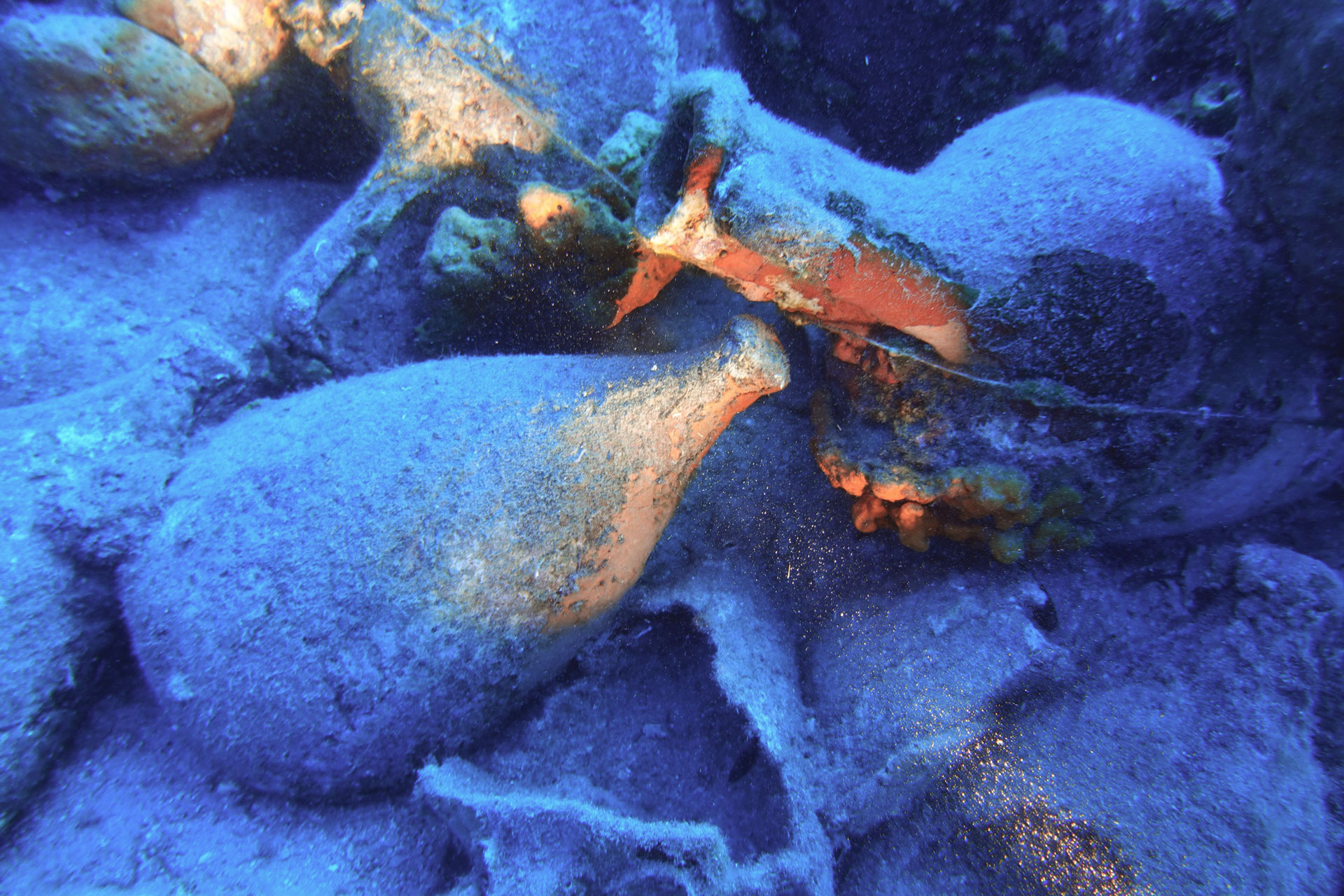
They were removing abandoned fishing nets from a shipwreck ecosystem.
These so-called ghost nets continue to trap and kill marine life long after they have been lost or discarded. According to Divernet’s report, previous dives at the site had documented animals trapped in fishing gear, including endangered loggerhead sea turtles and large fish.
That context matters.
The shark was not the danger in this story.
The real threat was human impact: abandoned fishing gear, overfishing, and the pressure we continue to place on marine ecosystems.
As Healthy Seas director Veronika Mikos noted, the encounter was powerful not only because of the shark itself, but because it happened during a mission to remove nets from a biodiversity hotspot.
Should Divers Be Afraid?
Fear is a natural reaction when we see a large predator underwater. Even experienced divers can feel overwhelmed in such a moment.
Derk Remmers himself described the encounter as extraordinary and unexpected, saying that meeting such an iconic animal underwater is statistically less likely than winning the lottery jackpot.
But fear should not turn into panic or hatred.
For divers, the right attitude toward sharks is the same attitude we should have toward the ocean in general: calm awareness, respect, and humility.
We do not enter the sea as owners.
We enter as visitors.
And when we meet a wild animal in its own world, the goal is not to dominate the moment, chase the animal, or turn it into a spectacle. The goal is to observe, stay calm, keep distance, and respect the encounter.
The Mediterranean ecosystem Worth Protecting
The Mediterranean is often described as a sea under pressure. It faces overfishing, pollution, heavy maritime traffic, habitat degradation, and climate stress.
But moments like this remind us that the story is not over.
There is still life in the deep blue between Europe and North Africa. There are still wrecks that have become ecosystems. There are still endangered turtles, large fish, and, sometimes, even a great white shark moving silently through the water.
For the diving community, this is exactly the kind of story that deserves attention.
Not because it is frightening.
But because it is meaningful.
It shows why underwater documentation matters. It shows why ghost net removal matters. It shows why marine protected areas matter. And it shows why sharks need a different kind of public conversation.
Less fear.
More respect.
Sharks Belong in the Ocean
A great white shark in the Mediterranean should not be treated as an invader, a monster, or a threat to be removed.
It belongs there.
Sharks are part of the ocean’s history, part of its balance, and part of its future—if we allow them to survive.
As divers, we are lucky to see what most people never see. We know that the underwater world is not a theme park. It is a living system, full of beauty, power, fragility, and mystery.
This rare encounter is a reminder of that truth.
The ocean does not need us to fear sharks.
It needs us to understand them, respect them, and protect the waters they still call home.