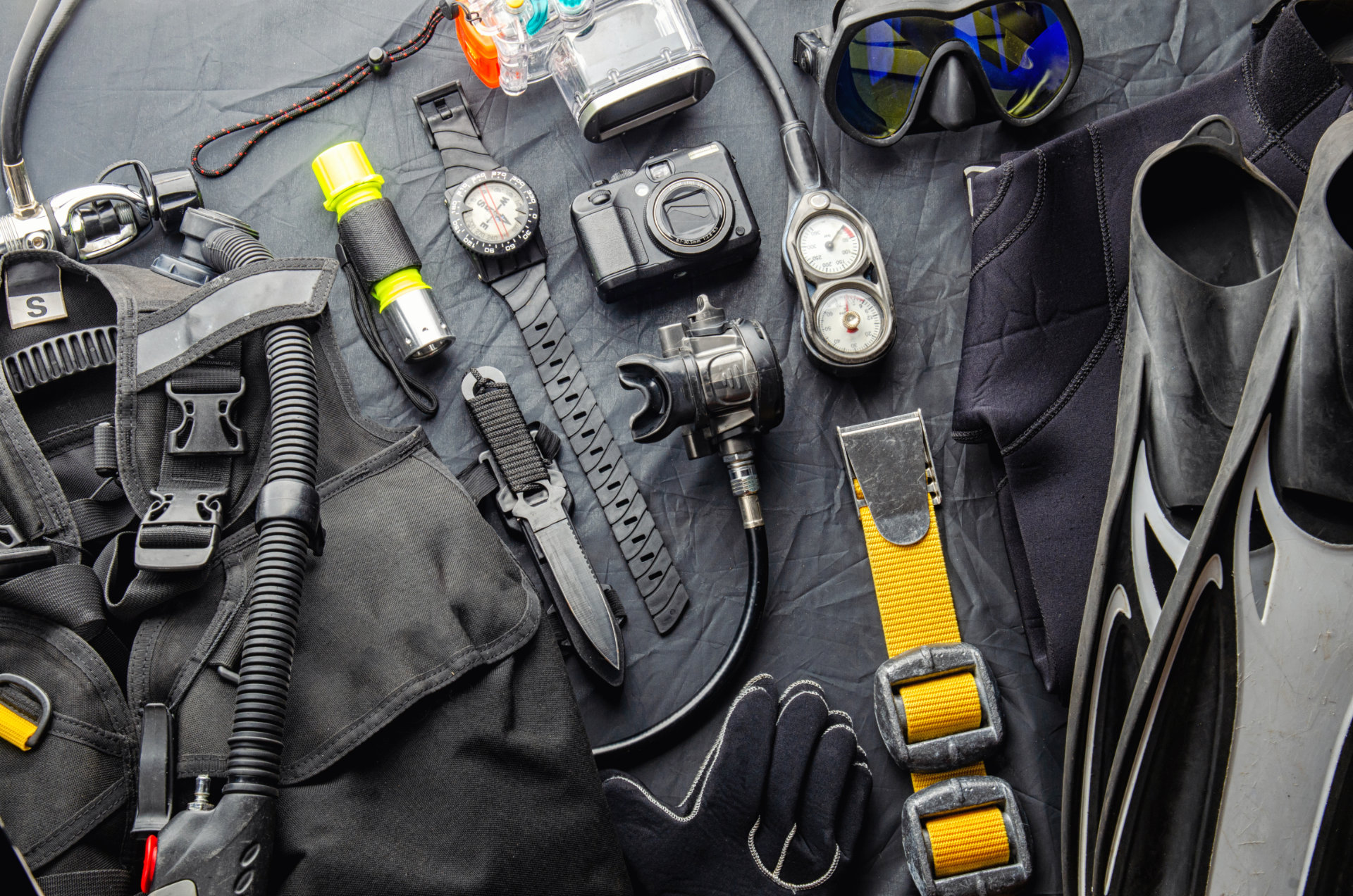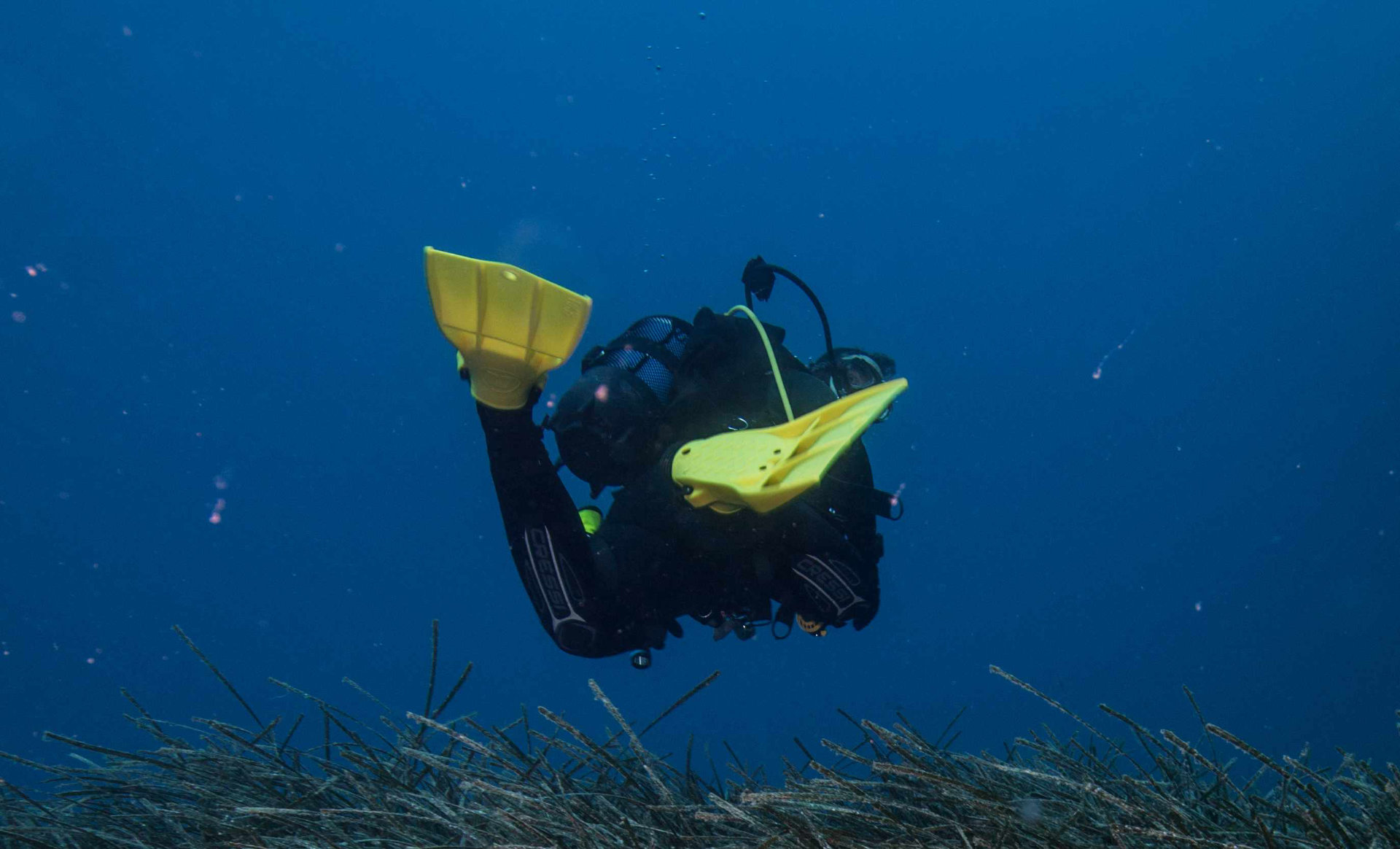

The BCD (Buoyancy Control Device) allows divers to control buoyancy by adding or releasing air during a dive. It also helps divers float comfortably on the surface before and after the dive.
Choosing the right BCD can be confusing for beginners because several different designs exist. Each type offers different advantages depending on diving style and experience.
Jacket BCD
The jacket BCD is the most common type used in dive centers and training courses.
Air cells inflate around the diver’s torso, making buoyancy control easy and intuitive.
Advantages:
- easy to use
- good stability for beginners
- familiar design for most divers
Disadvantage: when fully inflated the air bladder can squeeze the torso slightly.
Back Inflate BCD
Back inflate BCDs place the air bladder only on the diver’s back.
This design allows better trim and often helps divers maintain a horizontal position underwater.
Advantages:
- better trim in the water
- less pressure on the chest
- more streamlined design
Disadvantages:
- beginners may find buoyancy control slightly harder
- on the surface it can push the diver slightly forward.
Backplate and Harness
Backplate systems consist of:
- a metal backplate
- a harness
- a separate air bladder
They are commonly used in technical diving but are becoming popular among recreational divers.
Advantages:
- compact design
- excellent trim control
- modular system
Disadvantages are similar to back inflate systems and may require some experience to use comfortably.
Weight Systems and Pockets
Many modern BCDs include integrated weight systems.
This allows divers to place some or all of their weights inside the BCD instead of using a weight belt. Most systems also include a quick release mechanism for emergency situations.
Pockets are also useful for carrying small accessories such as:
- dive lights
- reels
- surface marker buoys
Backplate systems are usually more minimal and may not include pockets.
BCD Models for Women
Some manufacturers offer BCD models designed specifically for women.
These designs adjust strap placement and shape to better match female body proportions and improve comfort.
However, many women divers still use standard BCD models without any issues.
Which BCD Is Best for Beginners?
For most beginners, the jacket BCD remains the safest and most straightforward option.
It is easy to control and widely available in dive centers, making it familiar to divers who trained with this system.
More experienced divers may later explore back inflate or backplate systems depending on their preferences.
FAQ
What does BCD stand for in diving?
BCD stands for Buoyancy Control Device.
Is a jacket BCD better for beginners?
Yes. Jacket BCDs are easier to control and are commonly used during dive training.
What is the difference between back inflate and jacket BCD?
Back inflate BCDs place the air bladder on the back, while jacket BCDs inflate around the torso.
Building your diving kit?
Explore our scuba-inspired gear for divers.