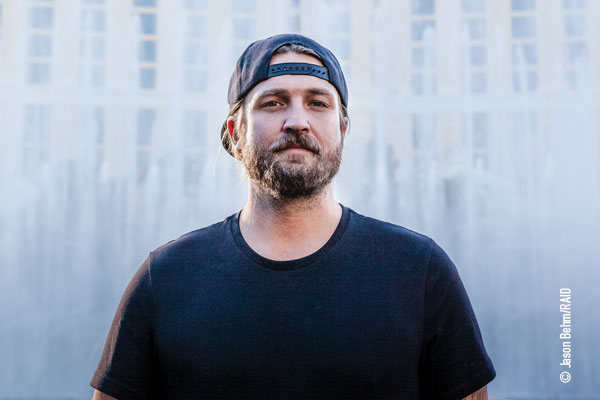
Canadian technical and cave diver Erik Brown, one of the international specialists who helped rescue 12 young footballers and their coach from Thailand’s flooded Tham Luang cave in 2018, has died.
Brown was believed to have been 44. News of his death began circulating through the international diving community as friends, former students and colleagues shared tributes online.
At the time of publication, the cause, location and exact date of his death have not been publicly confirmed. No diving accident or underwater incident has been reported in connection with his death.
Quick Answer
Erik Brown was a Canadian technical and cave diver, instructor and dive-centre founder who participated in the 2018 Tham Luang rescue in Thailand.
During the operation, he transported cylinders and equipment, helped install and maintain guidelines and supported the chain of divers working through kilometres of flooded cave passages.
Reports of his death emerged in September 2026. His death has been confirmed through sources within the technical diving community, but no cause has been made public and there is currently no confirmed information connecting it to a diving incident.
ERIK BROWN: QUICK FACTS
Nationality: Canadian
Specialities: Technical diving, cave diving, trimix and sidemount
Based in: Koh Tao, Thailand
Dive centre: Hydronauts Diving
Known for: Participating in the 2018 Tham Luang cave rescue
Rescue involvement: Nine days, seven missions and 63 hours inside the cave, according to his own account
Recognition: Canada’s Medal of Bravery
Death reported: September 2026
Cause of death: Not publicly disclosed
Who Was Erik Brown?
Erik Richard Brown grew up in Langley, British Columbia, before building a life and career around diving in several parts of the world.
He began diving in Australia in 2004 after visiting the Great Barrier Reef. Brown later recalled completing his Open Water course and progressing to Divemaster during the same trip.
After returning to Canada for shoulder surgery, he travelled to the Philippines and became a scuba instructor. Diving developed from a way to remain close to the water into his profession.
Brown subsequently spent several years in Dahab, Egypt, one of the best-known centres for deep and technical diving. In 2010, he helped establish Team Blue Immersion, a technical diving operation associated with advanced trimix, sidemount and rebreather training.
After approximately seven or eight years in Egypt, he moved to Thailand and founded Hydronauts Diving on Koh Tao.
Although much of his professional work involved technical training and deep open-water diving, cave diving remained a personal passion. He regularly travelled to cave systems in Mexico and Florida to develop and maintain his skills.
Those years of training and experience would eventually bring him into one of the most complex rescue operations in modern diving history.
The Tham Luang Cave Rescue
On 23 June 2018, 12 members of the Wild Boars youth football team and their assistant coach entered the Tham Luang Nang Non cave system in northern Thailand.
Heavy monsoon rain flooded parts of the cave and blocked their route out. The group was forced deeper underground, beginning an international search-and-rescue operation that would capture worldwide attention.
British cave divers Rick Stanton and John Volanthen located all 13 alive on 2 July, approximately nine days after they entered the cave.
Finding them, however, solved only the first part of the problem.
The boys and their coach were several kilometres inside the cave. The route included flooded passages, strong currents, narrow restrictions, sharp rocks and sections with almost no visibility.
With further monsoon rain expected and conditions inside the cave deteriorating, an international team began preparing an unprecedented extraction.
How Did Erik Brown Become Involved?
Brown learned about the developing emergency while based in southern Thailand. After discovering that fellow diver Ben Reymenants was already assisting, he offered to travel north with another diver if additional help was needed.
Brown arrived in Chiang Rai on 2 July—the same day the missing team was located.
He later explained that he travelled to the site expecting to carry cylinders or perform whatever supporting work was required. The scale and difficulty of the operation became apparent soon after his arrival.
Even for highly experienced divers, the conditions were intimidating. Visibility in the flooded sections could fall to zero, while moving water, narrow passages and long distances made every mission physically and mentally demanding.
What Was Erik Brown’s Role in the Rescue?
Brown was part of the specialist team that established and maintained the underwater infrastructure required for the extraction.
He helped lay and reposition guidelines, transported cylinders and other equipment and travelled repeatedly through the flooded cave passages.
In an interview after the rescue, Brown described carrying three cylinders at a time between his legs. Over four days, his team placed approximately 60 cylinders at different points along the route.
The official citation accompanying his Canadian Medal of Bravery states that he navigated a three-kilometre route in extremely poor visibility, fighting strong currents and passing low obstructions and dangerously narrow sections.
His work helped establish and maintain a vital chain of divers through which each child could be moved towards safety.
Brown later summarised his involvement in a short message:
“9 days, 7 missions and 63 hours inside. Success.”
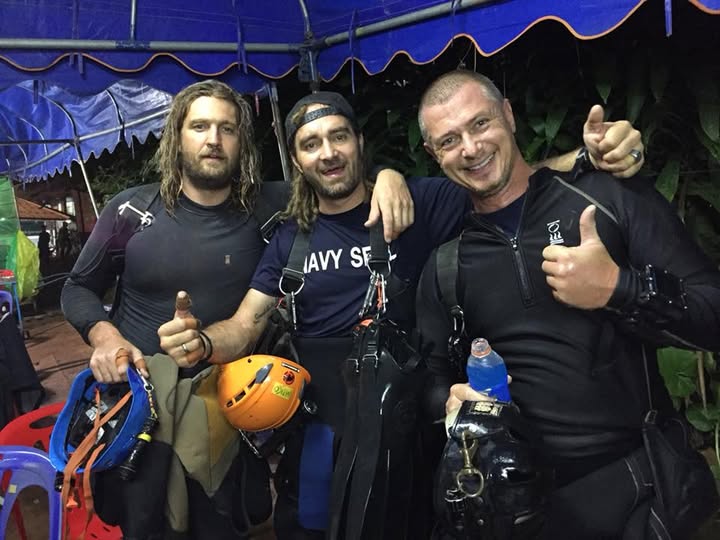
“9 days. 7 missions and 63 hours inside Tham Laung Cave. Success”
How Were the Boys Rescued?
The extraction took place from 8 to 10 July 2018.
Each boy was accompanied through the flooded passages by highly experienced cave divers. The operation required careful coordination between underwater teams and the large support network positioned throughout the cave.
Brown was not one of the lead divers personally escorting each child through the entire system. His role was part of the essential supporting structure that made those individual extractions possible.
All 12 boys and their coach were successfully brought out alive.
Former Thai Navy SEAL Saman Kunan died during a preparatory mission on 6 July while transporting cylinders inside the cave. Another Thai rescue diver, Beirut Pakbara, died in 2019 from a blood infection contracted during the operation.
Canada’s Medal of Bravery
In 2019, Erik Brown received Canada’s Medal of Bravery for his role in the Tham Luang rescue.
The award recognises people who risk their lives while attempting to save another person in hazardous circumstances.
Canada’s official citation stated that Brown repeatedly placed his life at risk during the three-day extraction and helped maintain the underwater route used to guide the children to safety.
Despite this recognition, Brown reportedly remained uncomfortable with being described as a hero. He emphasised that the rescue depended on a large international effort and that many other people had made vital contributions.
A Technical Diver, Instructor and Mentor
Long before the Tham Luang operation brought him international recognition, Brown was known within the technical diving community as an instructor, expedition diver and mentor.
His career connected diving communities in Canada, Australia, the Philippines, Egypt and Thailand.
Archived professional profiles describe him as an instructor in advanced trimix, sidemount and closed-circuit rebreather diving. Tributes shared following his death have focused not only on the Thai rescue, but also on his influence as a teacher and teammate.
For many of the divers who knew him personally, Tham Luang was one extraordinary chapter in a much larger life built around diving, training, exploration and friendship.
What Is Known About Erik Brown’s Death?
Reports of Brown’s death emerged from within the international diving community in late September 2026.
DeeperBlue subsequently reported that it had confirmed his death through sources in the technical diving community. He was believed to have been 44.
At the time this article was prepared, no formal public statement from Brown’s family had been identified and no cause of death had been announced.
There has also been no public report of a diving accident, training incident or underwater emergency associated with his death.
It would therefore be inaccurate to attribute his death to diving—or to state conclusively that it was unrelated to diving—until further verified information becomes available.
WHAT REMAINS UNCONFIRMED
The precise date and location of Erik Brown’s death have not been publicly confirmed.
No cause of death has been released.
No diving incident has been reported in connection with his death.
This article will require an update if Brown’s family, Hydronauts Diving or another authoritative source releases further information.
Remembering Erik Brown
Erik Brown’s name will remain connected to one of the most remarkable rescue operations in modern history.
Yet his contribution at Tham Luang was made possible by the quieter work that came before it: years spent learning, teaching, practising and developing the skills required to remain effective in an environment where errors could have fatal consequences.
During the rescue, he became one link in an international chain that brought 12 children and their coach safely out of a flooded cave.
Within the diving community, he is also being remembered as an instructor, mentor, teammate and friend.