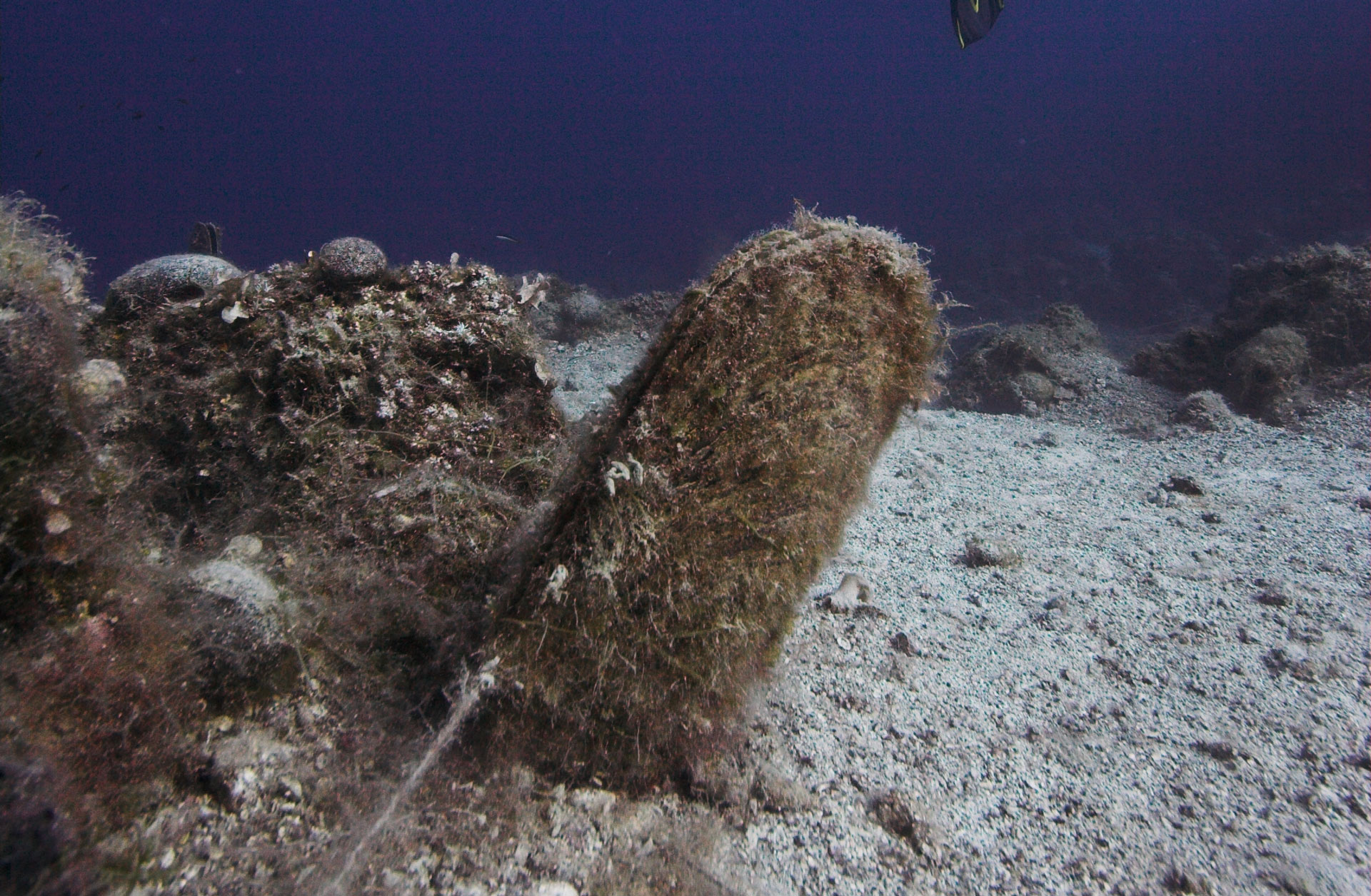
The Pinna nobilis, the largest bivalve mollusk in the Mediterranean Sea, is currently on the brink of extinction. However, certain areas in Greek waters may play a crucial role in the survival of the species.
Recent research conducted by the Hellenic Centre for Marine Research (ELKETHE) suggests that semi-enclosed bays such as Amvrakikos Gulf and Kalloni Gulf in Lesvos could act as important refuges for the remaining populations.
Promising Areas in Greek Waters
According to the study, these semi-enclosed gulfs provide environmental conditions that appear to help the species survive.
The key factors seem to be:
- lower average water temperatures
- reduced salinity levels
In Kalloni Gulf, researchers have still found living fan mussels, although many individuals appear to struggle to survive.
The situation appears more promising in Amvrakikos Gulf, where surveys indicate that the population has remained relatively stable in recent years, offering hope for the long-term survival of the species.
The Threat
The dramatic decline of Pinna nobilis populations began in 2016, when a deadly disease spread rapidly across the Mediterranean.
The outbreak first devastated populations along the Spanish coast before gradually expanding eastward across the Mediterranean basin.
Researchers later identified the cause as the parasite Haplosporidium pinnae, which had already reached Greek waters by 2018, causing massive mortality among fan mussel populations.
What This Means for the Mediterranean
The discovery of surviving populations in certain Greek gulfs raises an important question for marine scientists.
If these areas continue to provide refuge from the parasite, they could potentially act as source populations, helping repopulate other parts of the Mediterranean in the future.
Understanding why these environments offer better survival conditions could be critical for future conservation efforts.
The Next Question
One major question remains unanswered: can the parasite survive even after the species disappears from certain areas?
If the parasite remains active in other marine organisms or in the environment, it could prevent the natural recovery of the species even if new larvae spread from surviving populations.
For now, researchers continue monitoring the remaining populations, hoping that protected areas such as Amvrakikos Gulf may play a key role in the eventual recovery of this iconic Mediterranean species.

A living Pinna nobilis and its tiny symbiotic crab.
Quick Facts
Species: Pinna nobilis (Mediterranean fan mussel)
Status: Critically endangered
Main threat: Haplosporidium pinnae parasite
Key refuges in Greece: Amvrakikos Gulf, Kalloni Gulf (Lesvos)
Research institution: Hellenic Centre for Marine Research (ELKETHE)