In 1943, in the middle of World War II, a quiet technological breakthrough in occupied France changed humanity’s relationship with the sea. Until that moment, diving was not exploration—it was labor. It was heavy, restrictive, and tied—literally—to the surface.
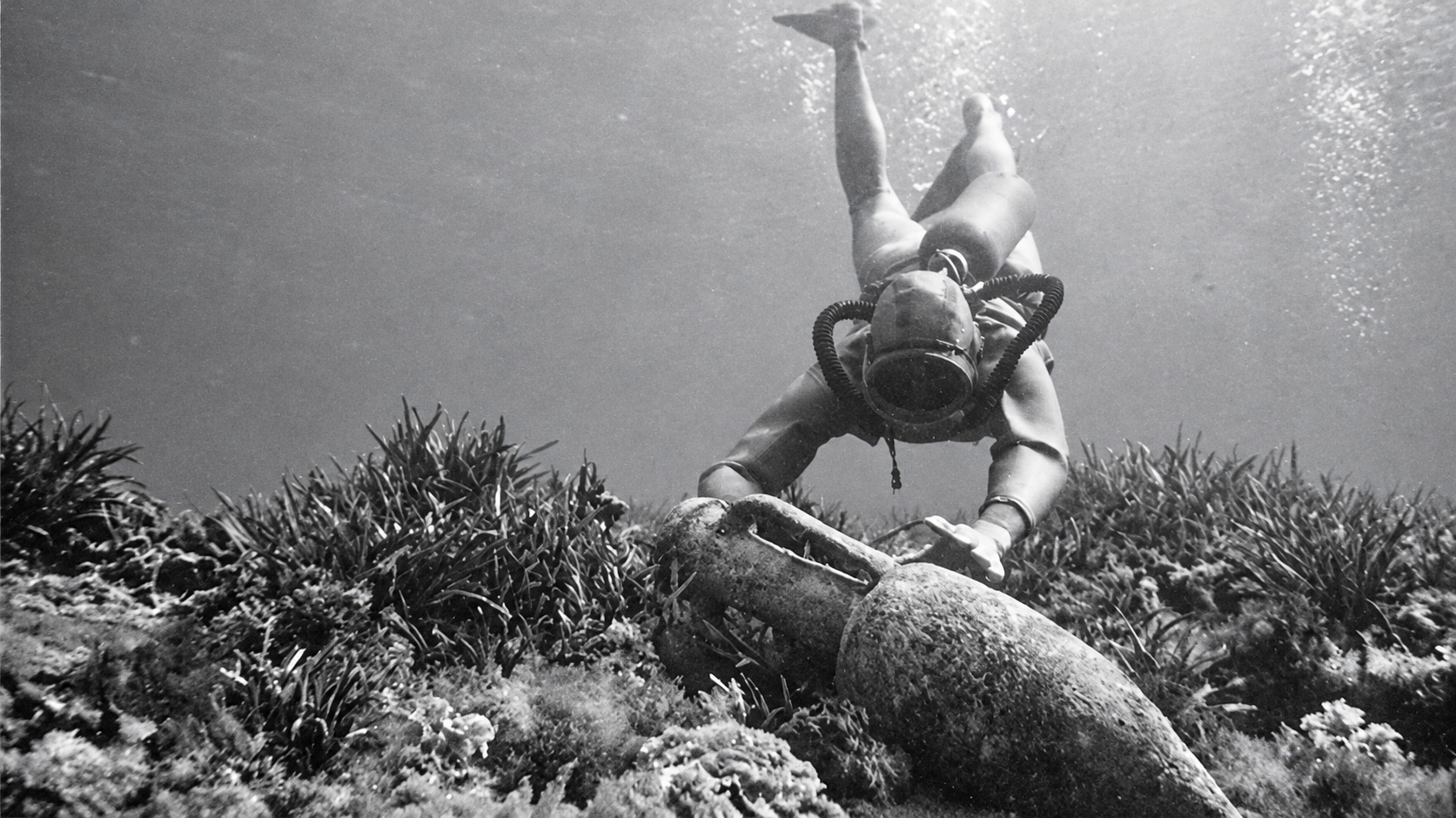
The invention of the Aqualung transformed diving into something entirely different. For the first time, humans could move underwater freely, breathing independently, exploring the sea as part of it rather than as visitors connected by a hose.
Diving Before the Aqualung

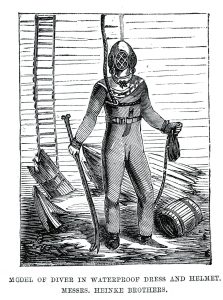
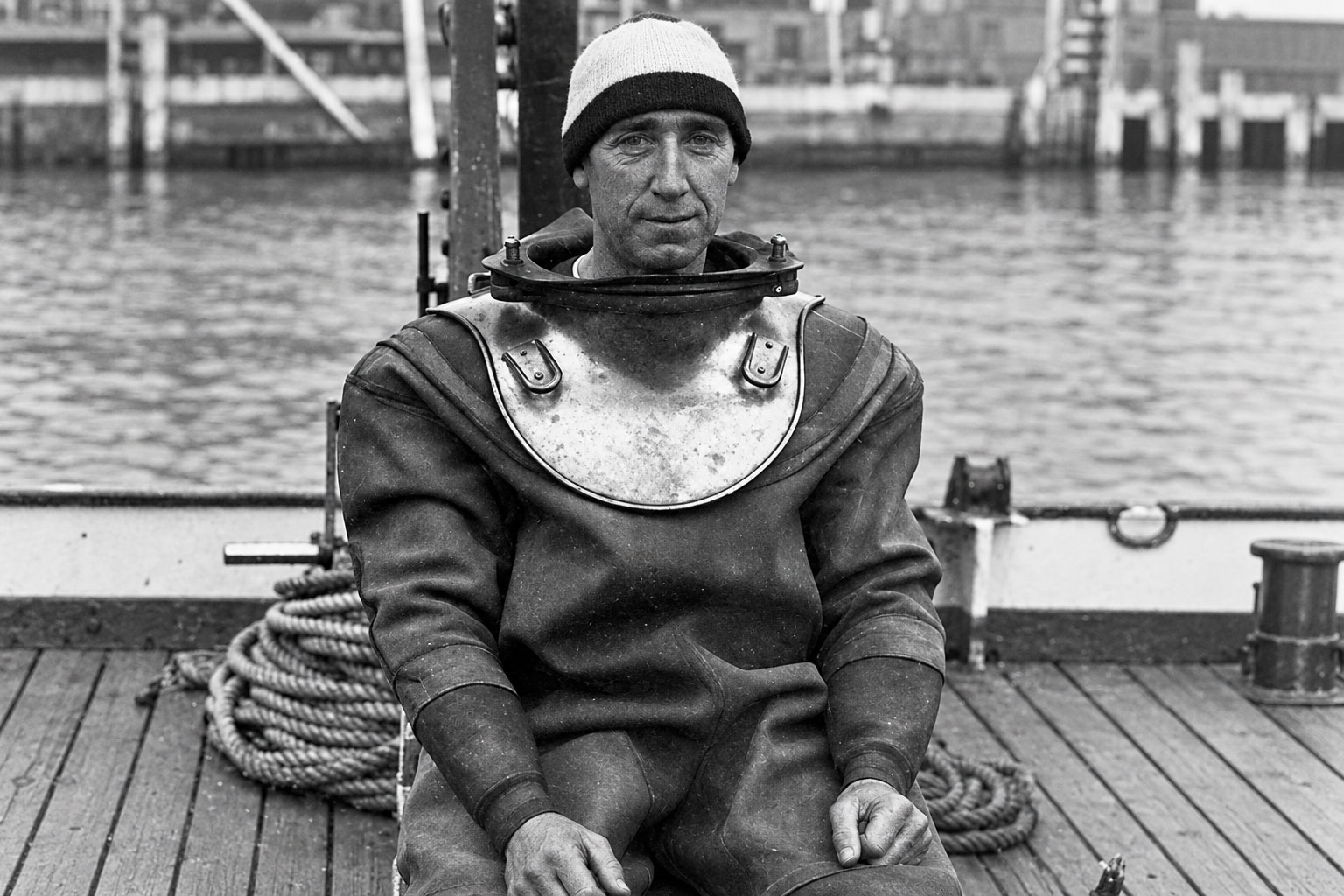
Before the Aqualung, underwater activity was defined by dependence. Divers wore heavy suits with rigid metal helmets, connected to the surface by an umbilical hose that supplied air. This system, known as surface-supplied diving, allowed for extended work underwater but imposed severe limitations.
Movement was restricted not only by the weight of the equipment but also by the physical constraint of the air hose. A diver could not simply swim away or change direction freely. Every action was calculated, slow, and dependent on the support team above.
Even earlier methods, such as diving bells, offered only brief and localized access to the underwater environment. These early technologies allowed humans to descend—but not to truly explore.
As a result, diving was primarily confined to industrial, military, and salvage operations. The idea of recreational diving, or even scientific exploration by freely moving divers, was practically nonexistent.
The Breakthrough of 1943
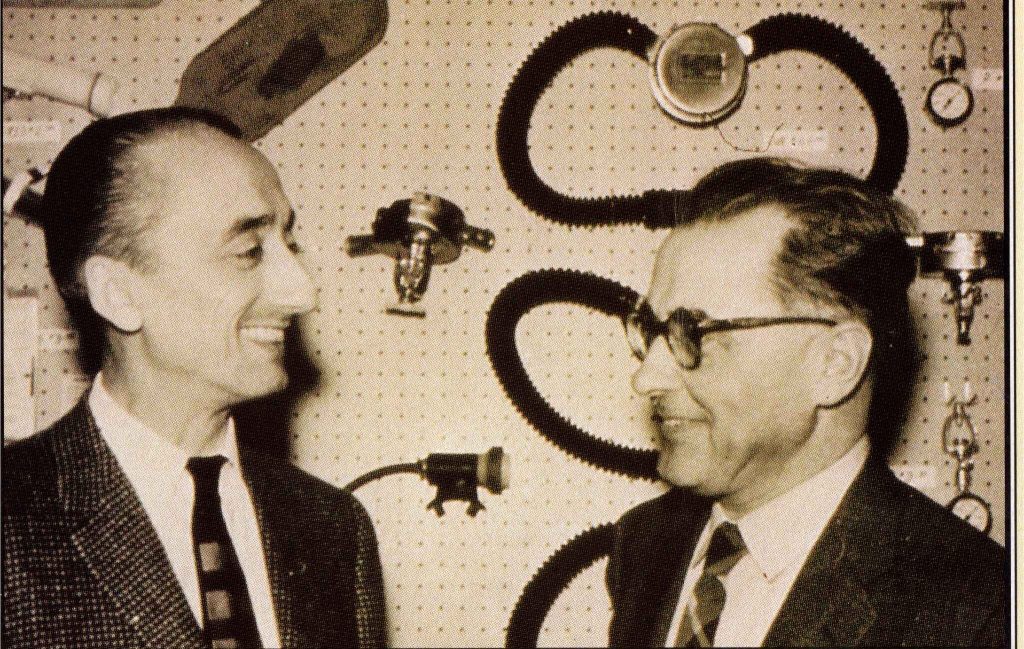
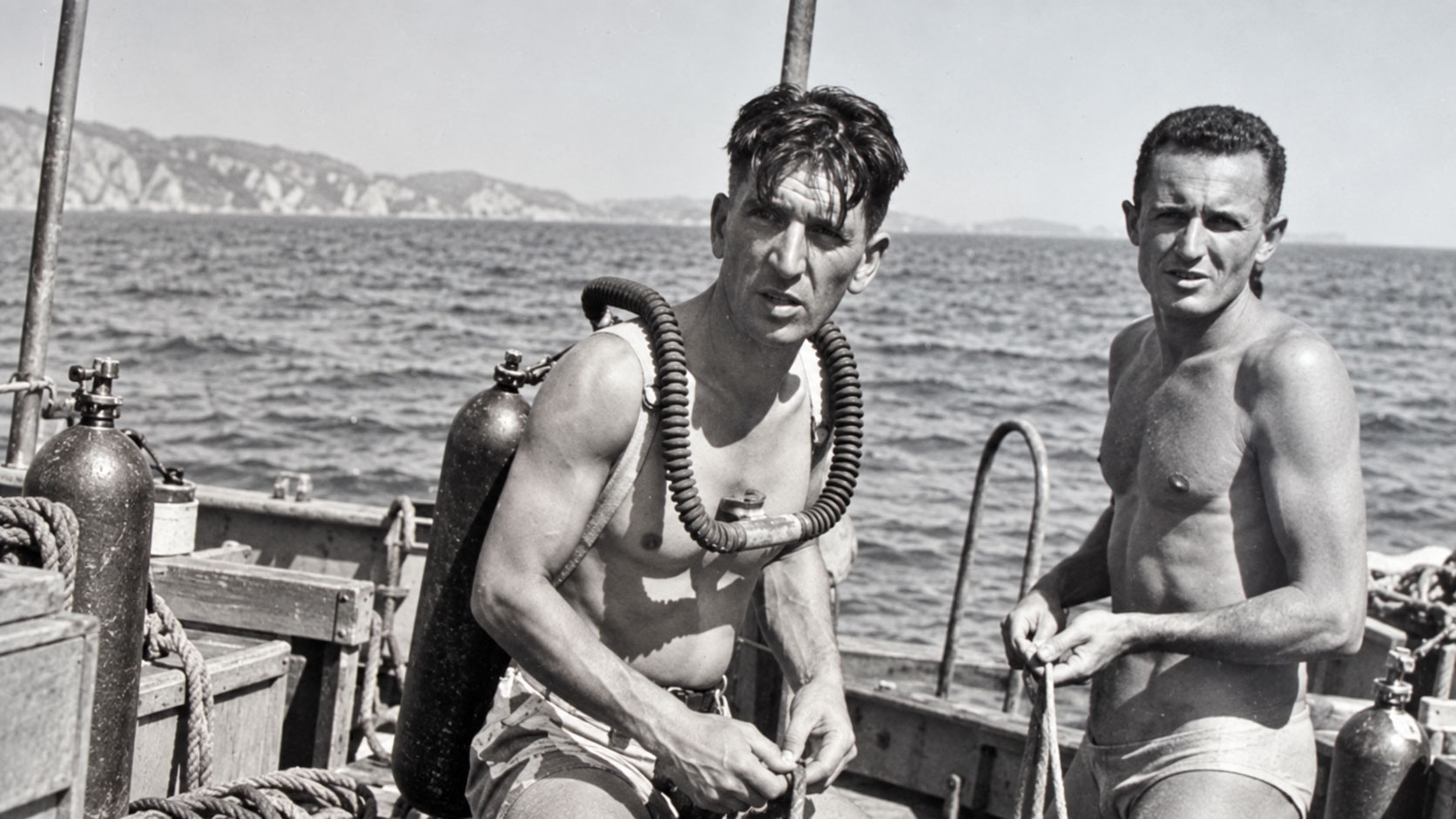
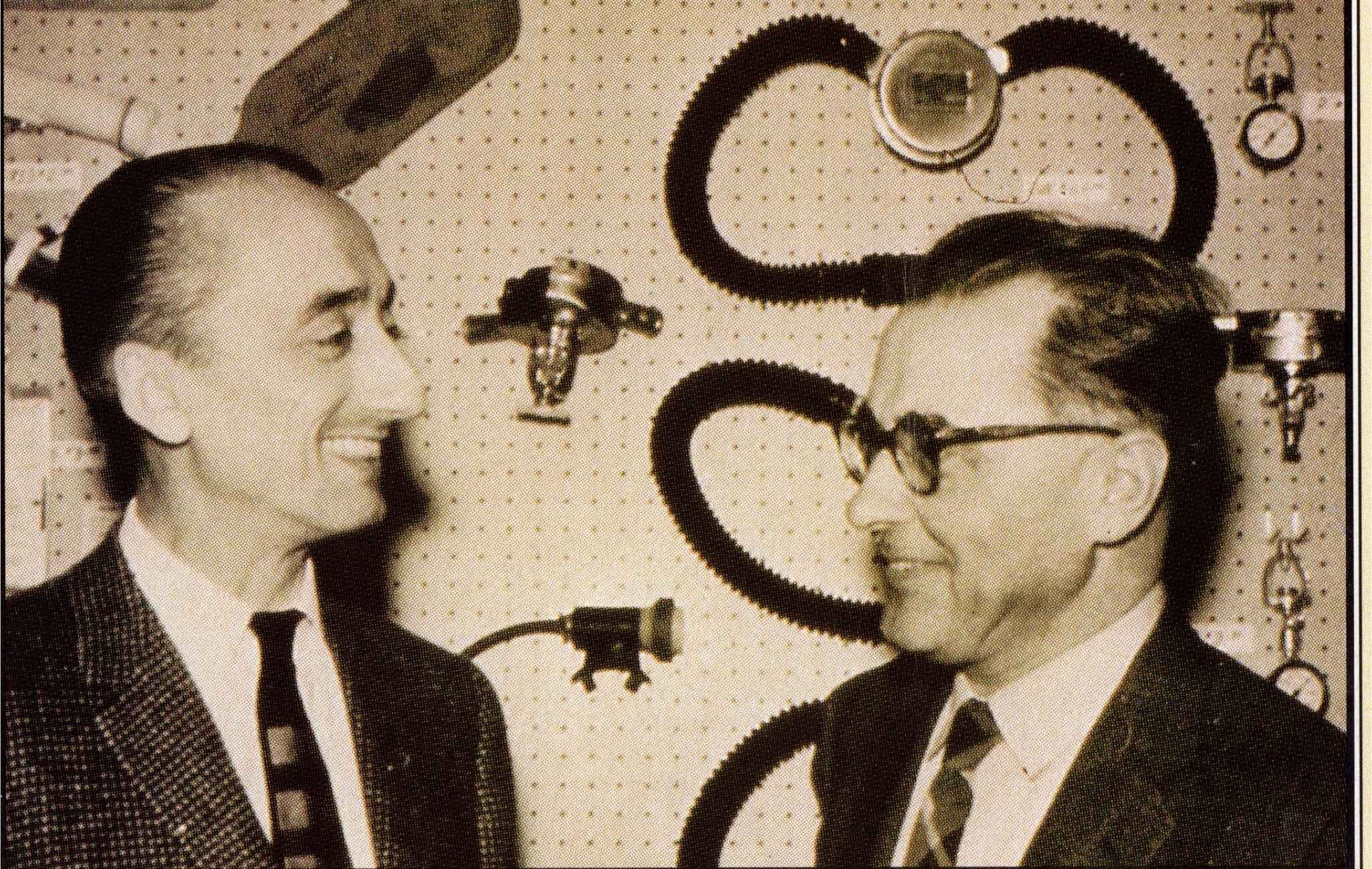
Jacques-Yves Cousteau and Émile Gagnan, the inventors of the “Aqualung”
The turning point came through the collaboration between Jacques-Yves Cousteau and Émile Gagnan.
Gagnan, an engineer working for Air Liquide, had developed a compact gas regulator designed to manage fuel consumption in engines during wartime shortages. When Cousteau encountered this device, he immediately recognized its potential for underwater breathing.
Their innovation was not simply the idea of carrying air underwater—that had already been attempted—but the way air was delivered. The regulator they developed supplied air on demand, releasing it only when the diver inhaled. This seemingly simple principle solved one of the most critical problems in previous designs: inefficiency and lack of control.
The result was the first practical, autonomous underwater breathing system—the Aqualung.
Why the Aqualung Was Different
What made the Aqualung revolutionary was not just independence from the surface, but efficiency and adaptability.
Previous systems either relied on constant airflow or cumbersome mechanical solutions that made them impractical. The demand regulator introduced by Cousteau and Gagnan created a responsive system that adjusted to the diver’s breathing in real time. This reduced wasted air and allowed for longer, safer dives.
Equally important was the shift in mobility. For the first time, divers were not anchored to a fixed point above. They could descend, move horizontally, ascend, and explore complex underwater environments with a level of freedom that had never existed before.
This combination of autonomy, efficiency, and mobility is what defines modern SCUBA—and it originates directly from that 1943 invention.
A New Era of Exploration

The impact of the Aqualung invention extended far beyond technology. It reshaped entire fields of human activity.
Marine science entered a new phase, as researchers could now observe ecosystems directly and for extended periods. Underwater archaeology became viable, allowing the study of shipwrecks and submerged sites with unprecedented detail. Photography and filmmaking beneath the surface brought the ocean into public consciousness, largely through Cousteau’s own work.
Perhaps most importantly, diving became accessible. What had once been a specialized and risky profession evolved into a global activity practiced by millions. Training systems, safety protocols, and equipment all developed around the foundation laid by the Aqualung.
Limitations and Early Challenges
Despite its revolutionary nature, the early Aqualung was far from perfect. Knowledge of decompression theory was still developing, and many of the safety standards divers rely on today did not yet exist.
Equipment reliability, buoyancy control, and dive planning were all areas that required refinement over the following decades. Early adopters operated in a space where exploration often came before full understanding.
However, these limitations do not diminish the importance of the invention. Instead, they highlight how foundational it was—everything that followed in diving technology and safety evolved from this starting point.
The Legacy of the Aqualung
Today, every recreational diver, technical diver, and underwater explorer relies on principles established by Cousteau and Gagnan. The modern regulator, regardless of brand or design, still operates on the same fundamental concept of demand-based air delivery.
The Aqualung did not simply improve diving—it defined it. It marked the moment when humans were no longer visitors to the underwater world, but participants within it.
The Cousteau Legacy
This article is part of The Cousteau Legacy, an ongoing Scubadiver series exploring the people, inventions and expeditions that transformed underwater exploration.
Jacques Cousteau: The Man Who Made the Ocean Visible
The Invention of the Aqualung: How Diving Became Truly Free
Calypso: The Ship That Changed Underwater Exploration
Conshelf: When Humans Tried Living Underwater