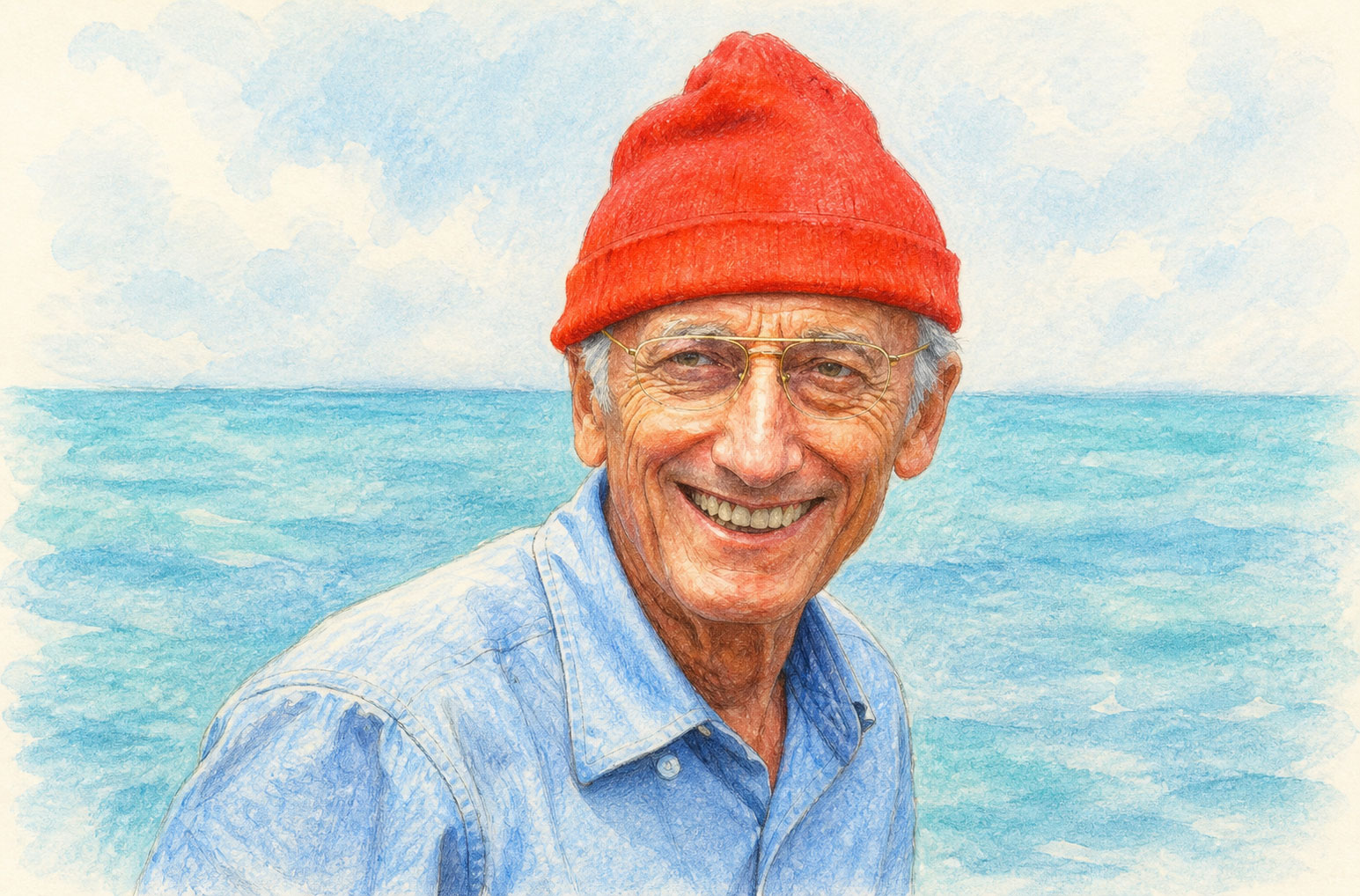
Before underwater exploration became part of global culture, the ocean remained largely unseen—distant, mysterious, and inaccessible to most people.
Jacques Cousteau changed that.
Through a combination of technological innovation, exploration, and storytelling, he transformed the underwater world into something people could experience, understand, and ultimately care about.
From Naval Officer to Explorer

Born in France in 1910, Cousteau began his career in the French Navy. His early interest in the sea was shaped not by diving equipment, but by curiosity and experimentation.
In the 1930s, before reliable underwater breathing systems existed, he began diving using simple goggles and breath-hold techniques in the Mediterranean. These early experiences shaped his understanding of the limitations of human interaction with the underwater world—and the need to overcome them.
The Breakthrough: Freedom Underwater
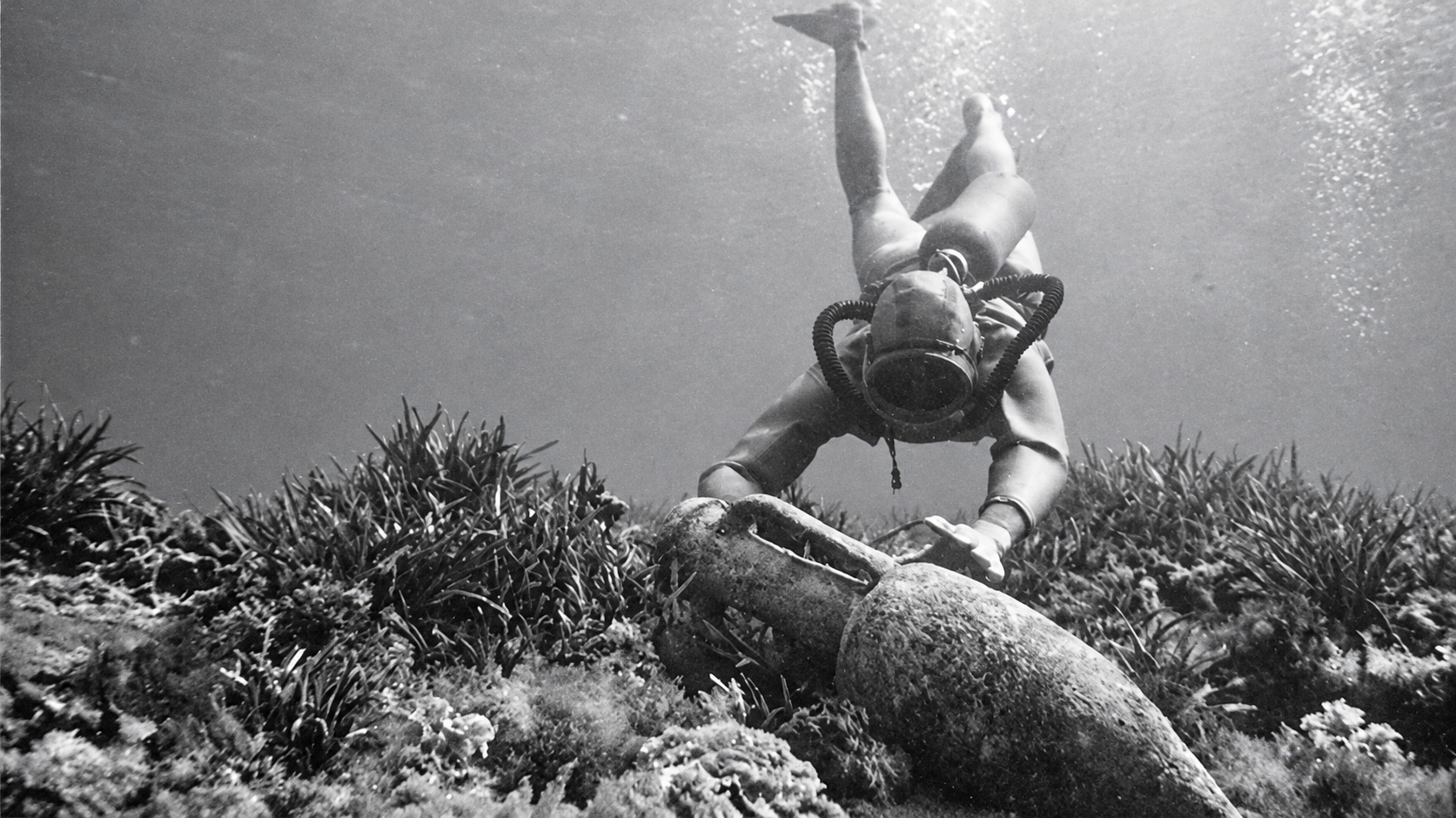
The defining moment came in 1943, with the development of the Aqualung alongside engineer Émile Gagnan.
This system allowed divers to breathe underwater independently, without being connected to the surface. For the first time, movement underwater became fluid, extended, and truly exploratory.
👉 The Invention of the Aqualung:
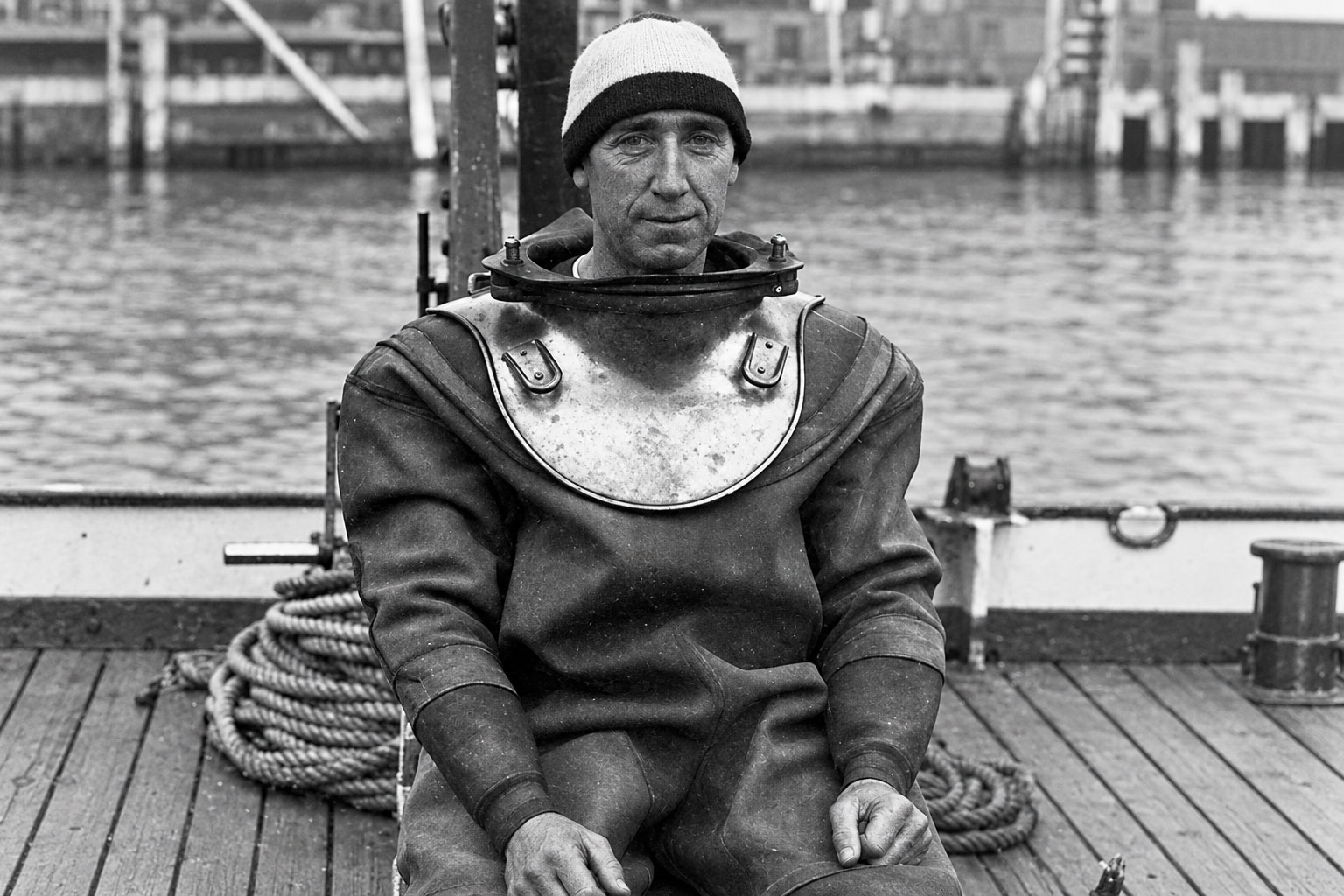
While others, such as Hans Hass, had already begun experimenting with underwater exploration using earlier methods, the Aqualung made this kind of interaction widely accessible and scalable.
The Calypso and a New Kind of Exploration

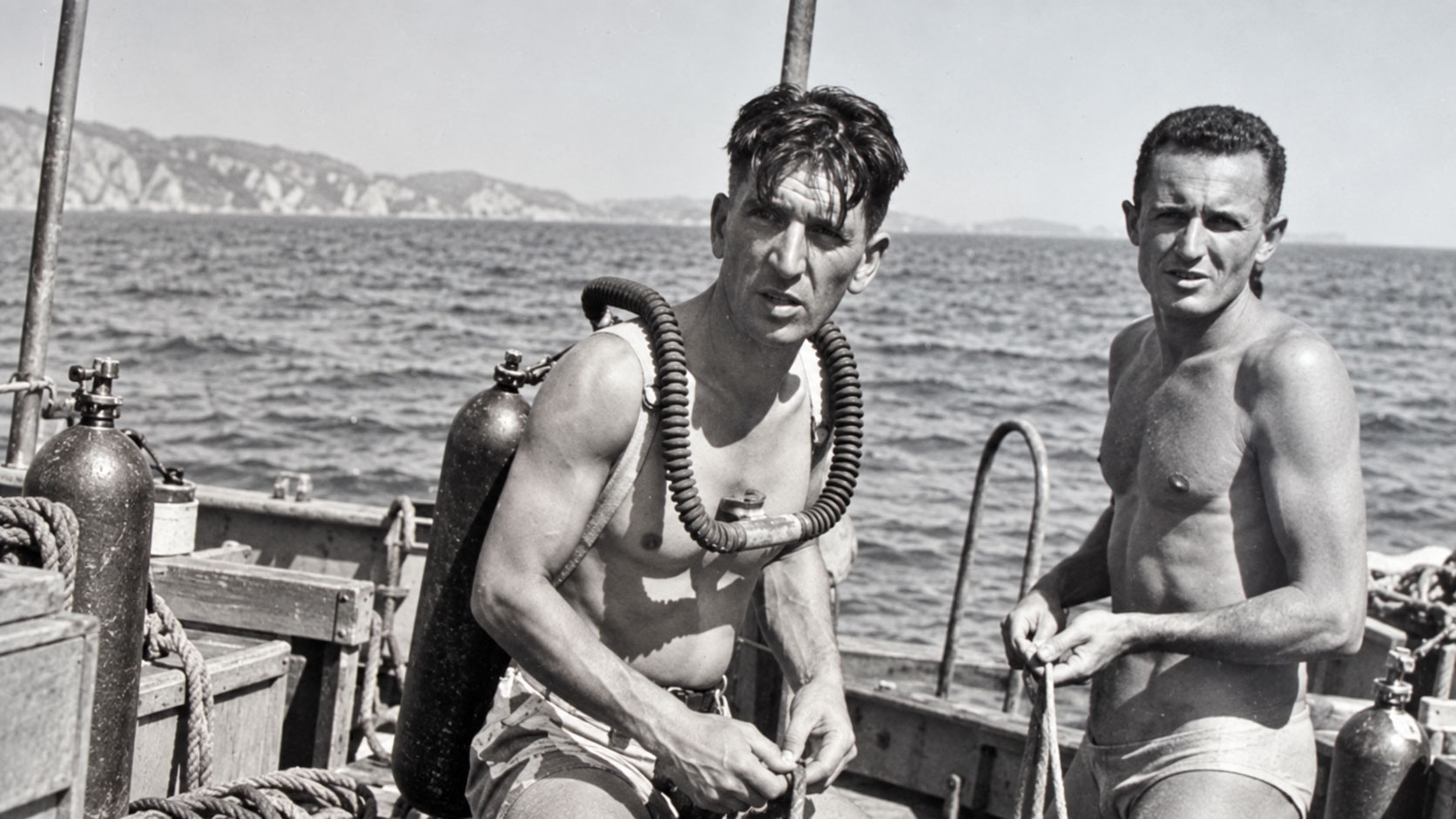
Cousteau’s work expanded dramatically with the research vessel Calypso. From this floating base, he led expeditions across the Mediterranean, the Red Sea, and beyond.
These missions were not only about discovery, but about documentation. Equipped with cameras and a growing team, Cousteau approached the ocean as something to be recorded and shared.
The underwater world was no longer just explored—it was captured.
Bringing the Ocean to the World

What truly set Cousteau apart was not only where he went, but what he did with what he found.
Through films, books, and television, he introduced the underwater world to a global audience. For many people, these were the first images they had ever seen of marine life in its natural environment.
His work turned exploration into storytelling. The ocean became not just a place, but a narrative—one that audiences could follow, understand, and connect with.
A Changing Relationship with the Ocean
As his work evolved, so did his message. Cousteau moved beyond exploration and into advocacy, emphasizing the fragility of marine ecosystems and the impact of human activity. He helped shift public perception of the ocean—from an endless resource to a system in need of protection.
This transition played a key role in the early development of marine conservation awareness.
Difficult Moments Behind the Expeditions

Jacques Cousteau with his son Philippe
Behind the success of these expeditions were moments of real danger and loss.
Exploration at the time involved significant risk, both at sea and underwater. Equipment was still evolving, safety procedures were not yet standardized, and each mission carried uncertainty.
Cousteau’s life was marked not only by discovery, but also by personal hardship—including the loss of his son Philippe Cousteau in a seaplane accident during an expedition.
These moments serve as a reminder that the history of diving is not only about progress, but also about the risks taken to achieve it.
Legacy
Today, Jacques Cousteau’s influence is everywhere.
Modern diving, underwater filmmaking, and marine conservation all carry elements of his work. More importantly, the way people perceive the ocean—as something to explore, respect, and protect—has been shaped in part by what he showed the world.
Jacques Cousteau did more than explore the ocean. He made it visible.
Through technology, storytelling, and a deep connection to the sea, he brought an entire world closer to the surface—changing not only diving, but the way humanity understands the ocean itself.
The Cousteau Legacy
This article is part of The Cousteau Legacy, an ongoing Scubadiver series exploring the people, inventions and expeditions that transformed underwater exploration.
Jacques Cousteau: The Man Who Made the Ocean Visible
The Invention of the Aqualung: How Diving Became Truly Free
Calypso: The Ship That Changed Underwater Exploration
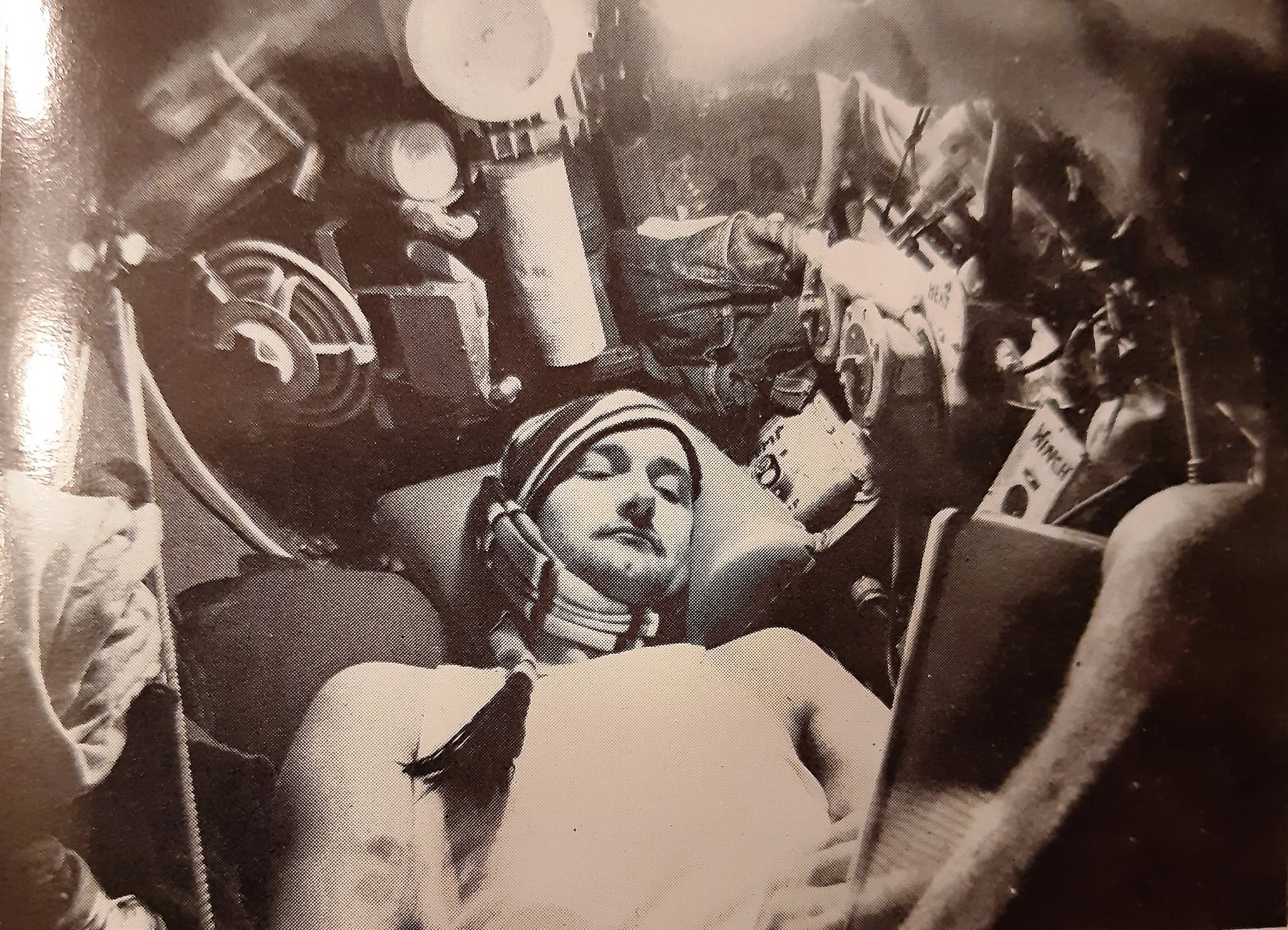
Conshelf: When Humans Tried Living Underwater