Choosing the right scuba diving wetsuit is one of the most important equipment decisions for any diver. A properly fitted wetsuit keeps you warm, comfortable, and protected during your dives. In this guide we explain how wetsuits work, how to choose the correct thickness, and what to look for when trying one on.
How Do Wetsuits Work?
A wetsuit works by trapping a thin layer of water between the neoprene and your body. Your body heat warms this water layer, creating insulation that protects you from the surrounding environment.
For this system to work effectively, the wetsuit must fit properly. If the suit is too loose, water will continuously circulate inside it, preventing your body from warming the trapped layer and significantly reducing insulation.
Wetsuit Thickness
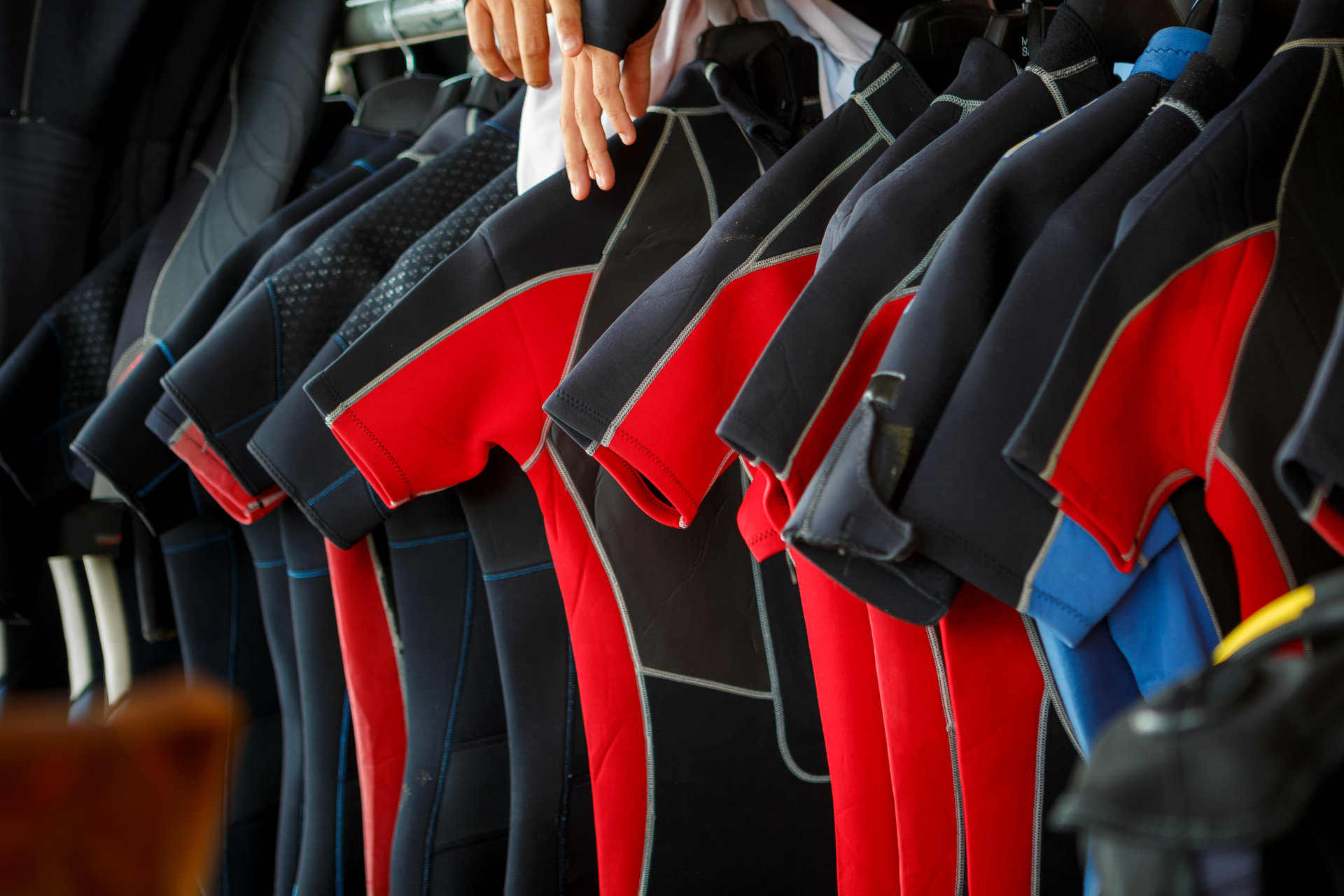
Wetsuit thickness is measured in millimeters (mm) and determines how much thermal protection the suit provides.
Typical wetsuit thickness options include:
3 mm
Suitable for warm tropical waters.
5 mm
The most common wetsuit thickness and ideal for many Mediterranean dives.
7 mm
Used in colder waters or during winter months.
In the Mediterranean, many divers use a 5 mm wetsuit, sometimes combined with a vest for additional insulation during colder dives.
Fit and Comfort
Fit is the most important factor when choosing a wetsuit.
A wetsuit should feel snug, even if it is slightly difficult to put on. However, it should still allow full movement without restricting breathing or arm motion.
When trying on a wetsuit:
Make sure there are no large gaps around the lower back, waist, or armpits.
Ensure it is not too tight around the neck.
Try stretching your arms to simulate swimming movements.
If the wetsuit does not fit properly, cold water will constantly enter the suit, reducing thermal protection.
Higher-quality wetsuits often include extra features such as:
reinforced knees and elbows
thicker panels for warmth
reinforced back panels for comfort when wearing a tank
Wetsuit Accessories
Some accessories can significantly improve thermal protection.
Hood
A hood helps prevent heat loss from the head and is often used in colder dives.
Vest
A neoprene vest worn under or over the wetsuit provides additional insulation.
Divers who do not plan to use a drysuit often rely on a vest and hood combination for colder months.
Quick Tips for Choosing a Wetsuit
Before buying a wetsuit, remember:
Always prioritize fit over brand.
Choose thickness based on water temperature.
Make sure you can move comfortably.
Consider adding a hood or vest for colder dives.
A well-fitted wetsuit can dramatically improve comfort and safety underwater.
FAQ
What thickness wetsuit do I need for scuba diving?
It depends on the water temperature. 3 mm suits are used in warm waters, 5 mm suits are common in temperate waters, and 7 mm suits are used in colder conditions.
Should a wetsuit feel tight?
Yes. A wetsuit should fit snugly to prevent water circulation inside the suit.
Can I dive without a hood?
In warm water yes, but in colder water a hood significantly improves thermal protection.