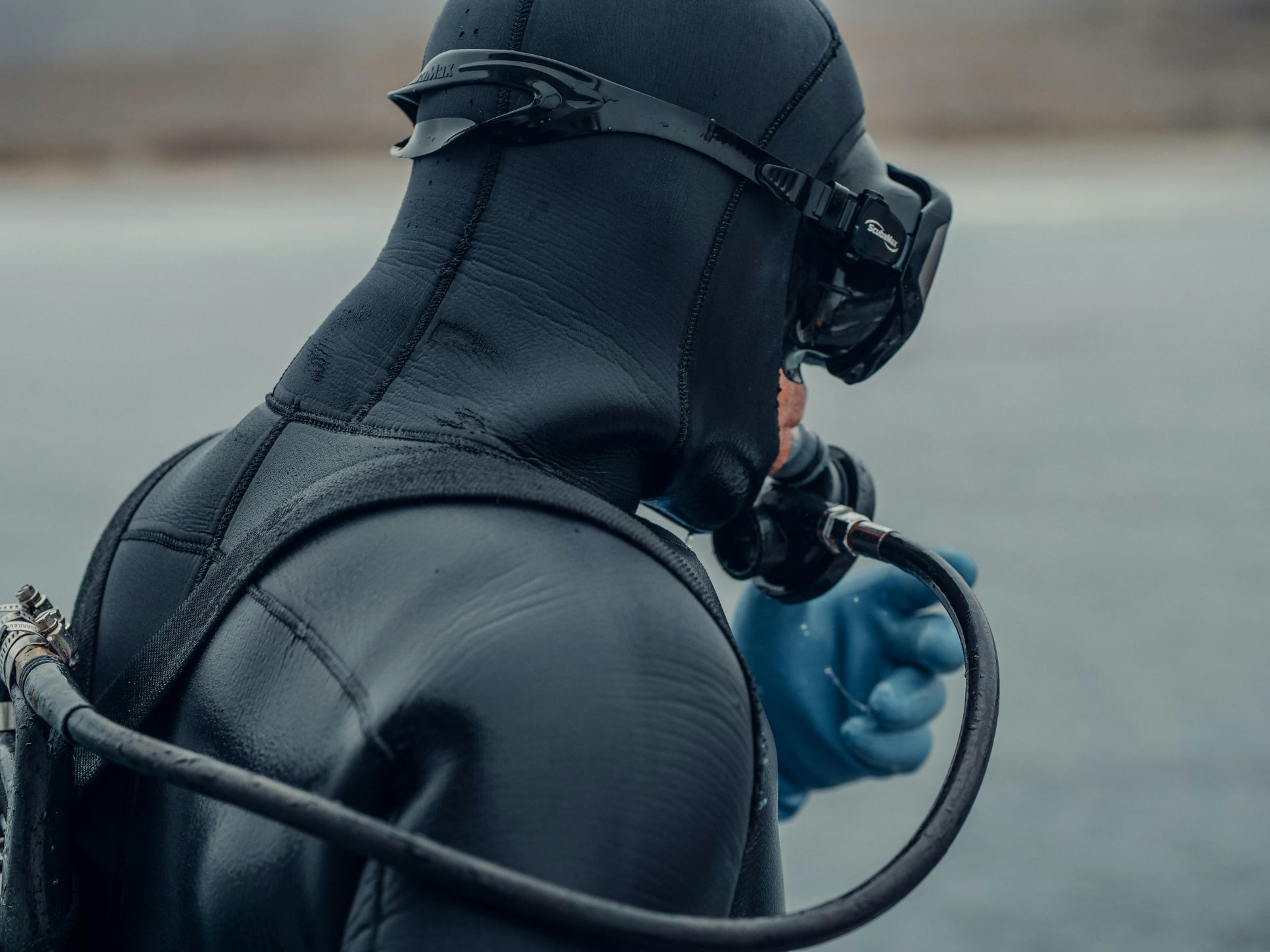
A scuba regulator is one of the most important pieces of diving equipment you will ever buy. A good regulator can last for more than a decade and directly affects breathing comfort and safety underwater.
In this guide we explain the differences between DIN and Yoke regulators, what separates expensive models from basic ones, and what features to look for before buying.
DIN vs Yoke Regulators
Most dive centers around the world use Yoke regulators because they are simple and widely compatible with rental tanks.
DIN regulators, however, are often preferred by experienced divers because they provide a more secure connection between the regulator and the tank.
DIN systems also have fewer exposed parts and are commonly used in technical or advanced diving courses.
Cheap vs Expensive Regulators
More expensive regulators usually differ in internal design and performance under demanding conditions.
Higher-end regulators often:
- deliver air more smoothly
- perform better when tank pressure is low
- reduce the risk of free flow
- breathe easier when two divers use the regulator simultaneously
For divers who dive frequently, investing in a high-quality regulator is usually worthwhile.
Regulator Service and Maintenance
Regulators should be serviced regularly, usually once a year.
During servicing, technicians replace filters, O-rings and other internal parts. Most manufacturers certify service technicians through specialized training.
Before buying a regulator, it is wise to check if there is an authorized service center in your area.
Number of Ports
A good first stage regulator should ideally include:
- 2 high-pressure ports
- 4 low-pressure ports
High-pressure ports connect to:
- pressure gauges
- dive computer transmitters
Low-pressure ports connect to:
- primary second stage
- alternate second stage (octopus)
- BCD inflator hose
- drysuit inflator hose
Final Tip
A good regulator can accompany a diver for many years. Take time to research your options, consult experienced divers, and choose a model that fits your diving style.
FAQ
What is the difference between DIN and Yoke regulators?
DIN regulators screw directly into the tank valve, while Yoke regulators clamp onto the valve.
How long does a scuba regulator last?
With proper maintenance, a regulator can last more than 10 years.
Do regulators need servicing every year?
Most manufacturers recommend annual servicing to replace filters and O-rings.
Building your diving kit?
Explore our scuba-inspired gear for divers.