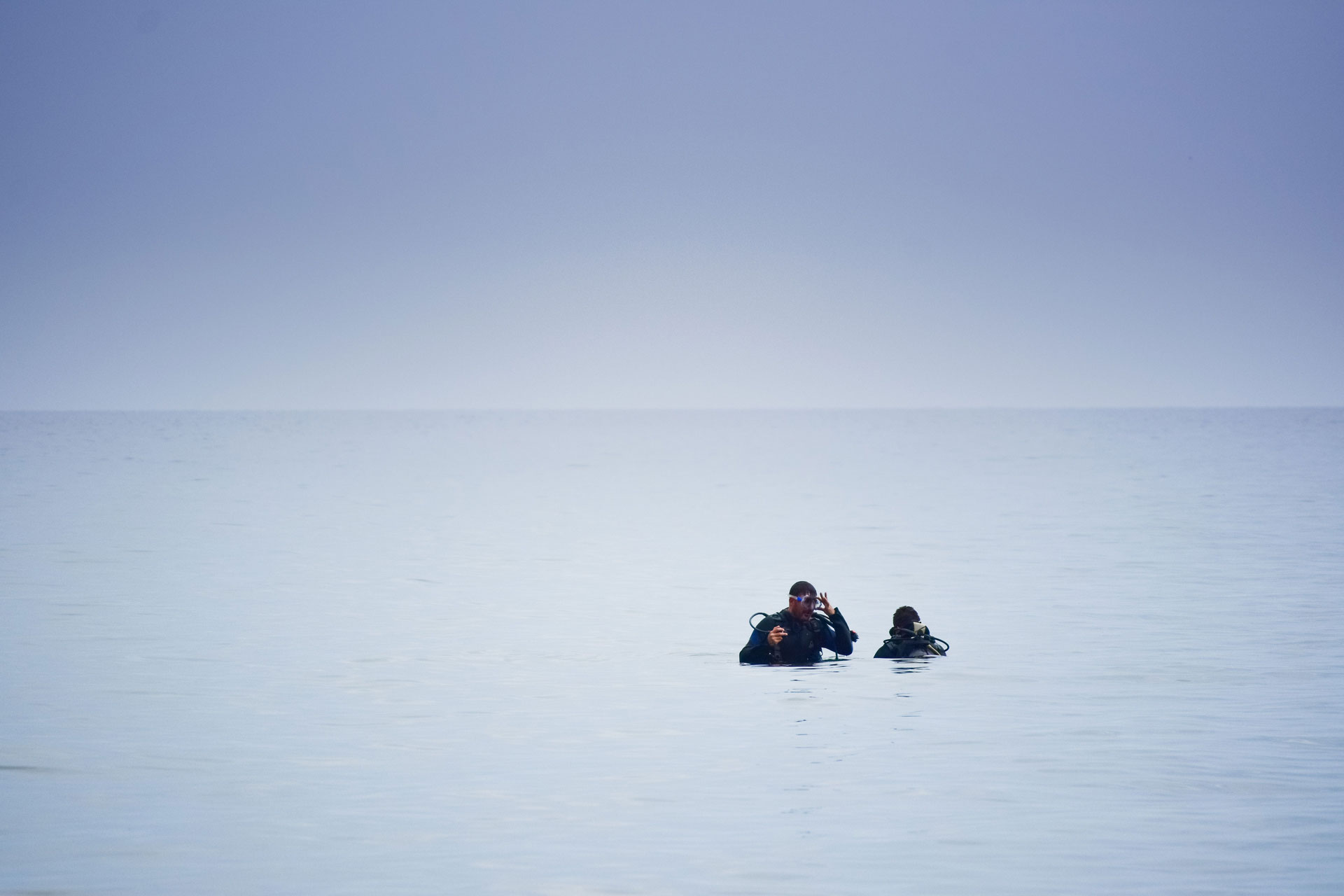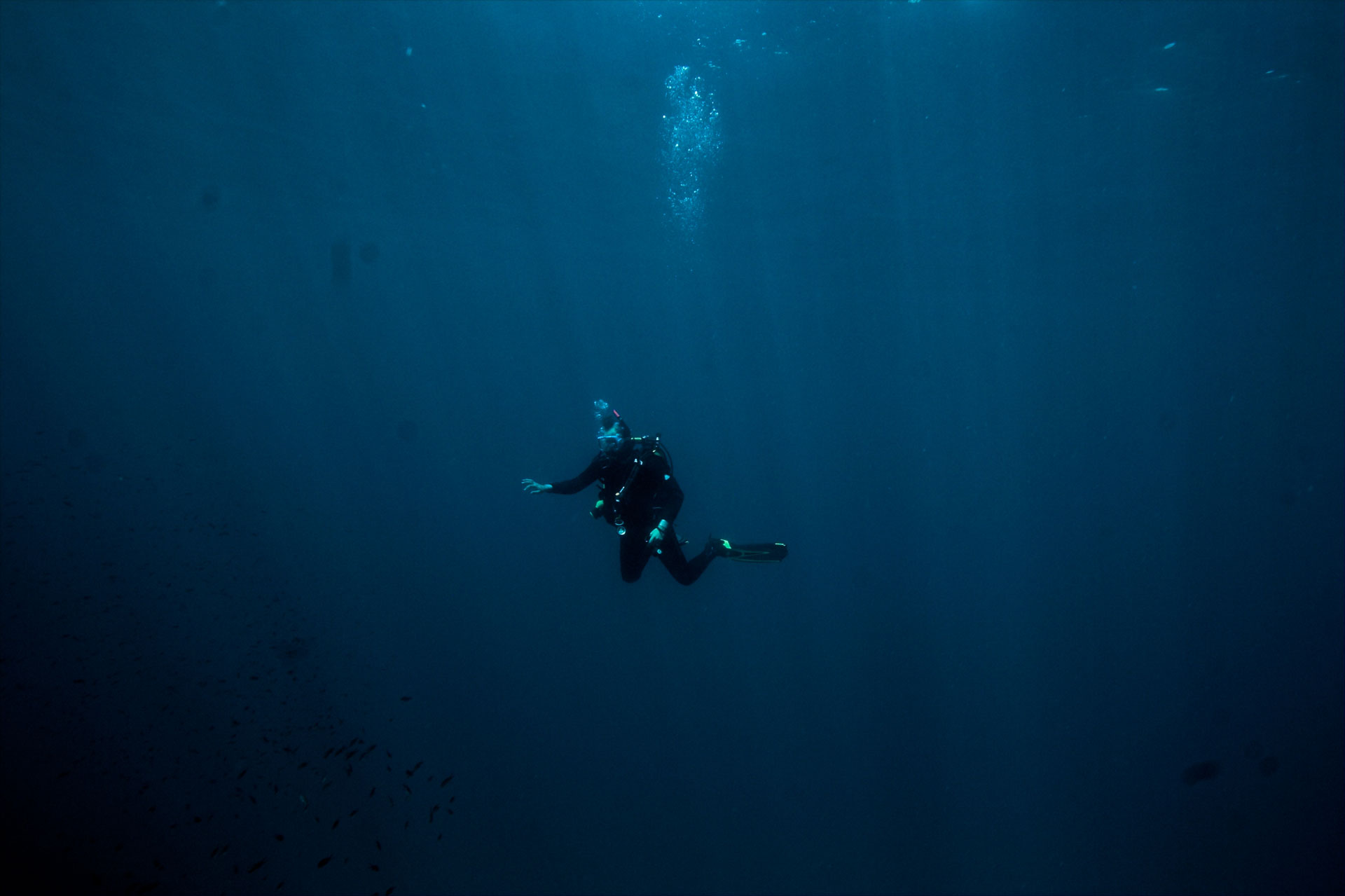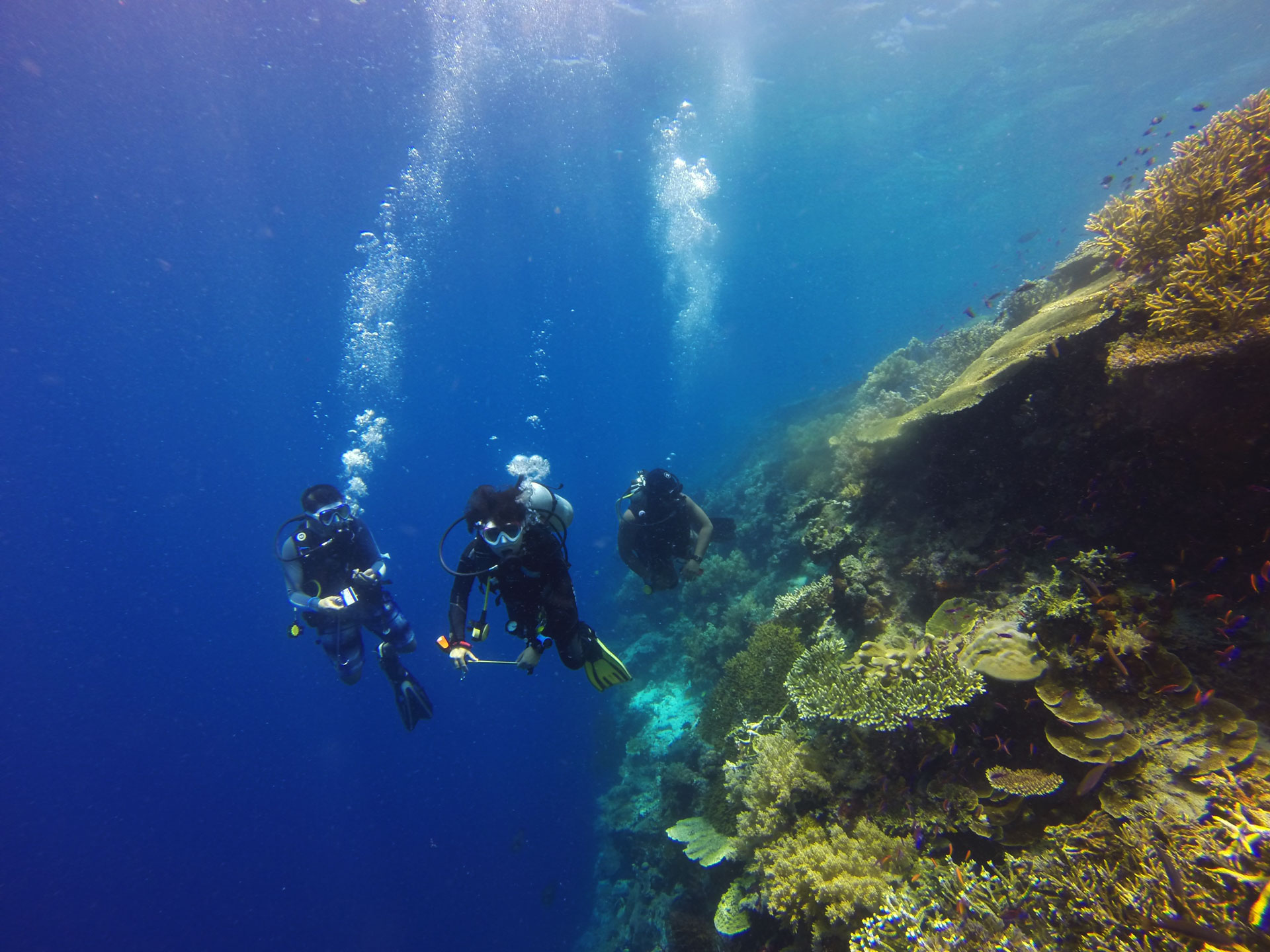
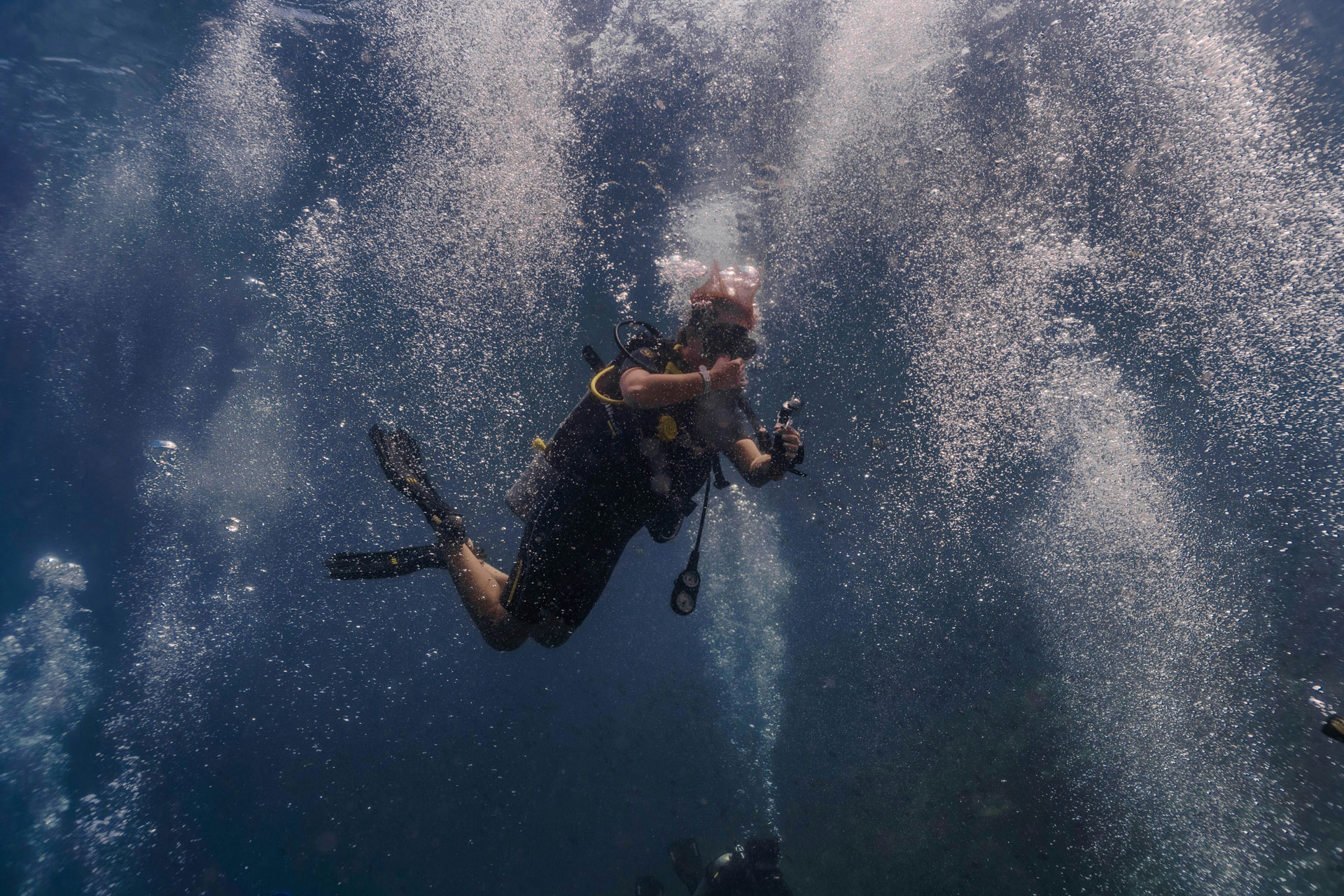
Everyone else has already disappeared beneath the surface.
Your instructor is waiting below.
Your buddy is looking up at you.
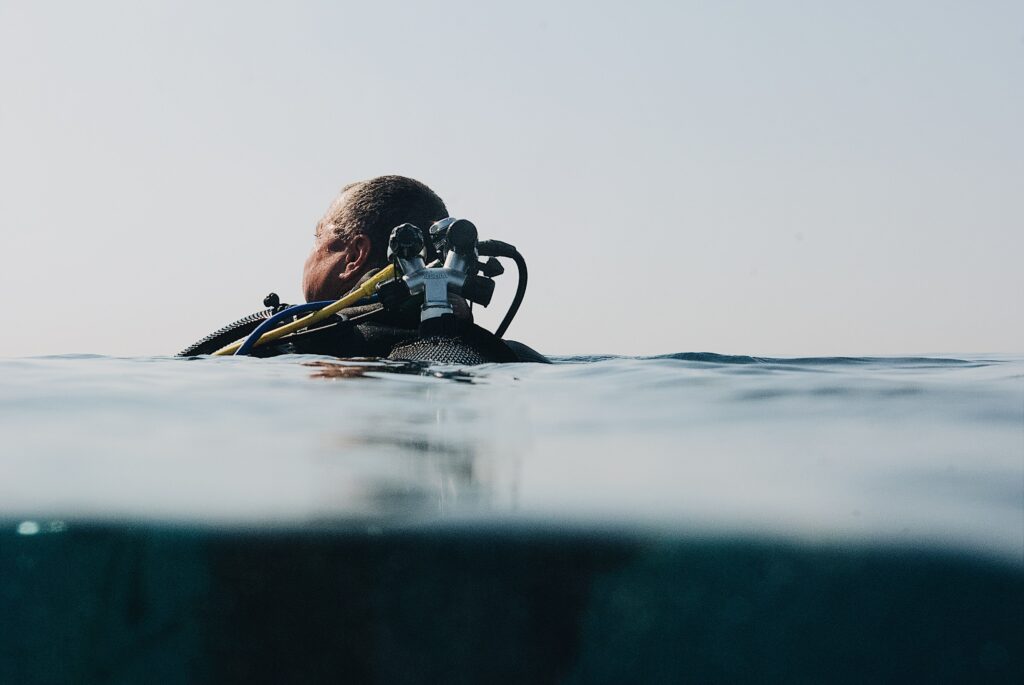
And you’re still floating.
If you’ve ever found yourself kicking downward while stubbornly remaining at the surface, you’re not alone.
Struggling to descend is one of the most common challenges for new divers. Fortunately, the solution is usually simple—once you understand what’s keeping you afloat.
Quick Answer
Why can’t I descend while scuba diving?
The most common reasons are insufficient weight, air trapped in your BCD or wetsuit, anxiety, not fully exhaling before descending, or simply trying to descend too quickly. In most cases, the problem is a combination of several small factors rather than one major mistake.
Common Mistake
Many beginners start kicking downward harder when they can’t descend.
In reality, stronger fin kicks rarely solve the problem. Finding the cause of your positive buoyancy is usually much more effective.
1. You’re Not Wearing Enough Weight
This is by far the most common reason.
If you’re underweighted, your body simply remains positively buoyant.
Before adding more lead, remember that buoyancy changes throughout the dive as your cylinder becomes lighter.
A proper weight check should always be performed with nearly empty cylinders and the equipment you normally dive with.
Adding unnecessary weight may solve one problem while creating several others.
2. There Is Still Air in Your BCD
This sounds obvious, but it happens surprisingly often.
Before descending:
- Raise your inflator hose as high as possible.
- Fully deflate your BCD.
- Check that no air remains trapped inside.
Even a relatively small amount of air can make descending much more difficult.
3. Your Wetsuit Is Helping You Float
Neoprene is naturally buoyant.
A thick wetsuit—or a brand-new one—can generate significant positive buoyancy.
This doesn’t mean you automatically need more weight, but it does explain why descending in a 7 mm wetsuit often feels very different from descending in a thin tropical suit.
4. You’re Holding Too Much Air in Your Lungs
Your lungs are part of your buoyancy system.
If you take a deep breath and keep your lungs completely full, you’ll become slightly more buoyant.
Just before beginning your descent, exhale normally—not forcefully—and allow your body to settle into the water.
Never hold your breath while scuba diving.
5. Anxiety and Tension
Even experienced divers occasionally struggle to descend if they’re feeling stressed.
When you’re anxious, you naturally breathe faster and tend to keep your lungs fuller than normal.
This increases your buoyancy and makes descending more difficult.
At the same time, tension often causes divers to kick harder, which only adds to the frustration.
Instead, pause for a moment.
Take a slow, natural breath, relax your shoulders and begin the descent calmly.
A relaxed diver almost always descends more easily than a tense one.
6. You’re Trying to Descend Too Fast
Many beginners expect to sink the moment they empty their BCD.
In reality, descending takes a few seconds.
After fully deflating your BCD and exhaling normally, allow gravity to do its job.
Avoid kicking downward immediately.
Give yourself time to begin sinking naturally before making any movements.
Patience is often all that’s needed.

7. You’re Forgetting About Equalization
Sometimes the problem isn’t buoyancy at all.
It’s your ears.
A diver may start descending successfully but immediately stop because they feel pressure in their ears and instinctively swim back toward the surface.
Remember:
Start equalizing before you feel discomfort and continue throughout the descent.
If your ears won’t equalize, don’t force the descent.
Ascend slightly, try again gently, and if necessary, end the dive.
Diver’s Tip
One of the easiest ways to begin a descent is to stay completely still after exhaling normally. Many divers discover they start sinking naturally without kicking at all.
How to Descend More Comfortably
If you regularly struggle to descend, try this simple routine before every dive:
- Fully deflate your BCD.
- Raise the inflator hose to release trapped air.
- Exhale normally.
- Relax your body.
- Begin equalizing early.
- Give yourself a few seconds before kicking.
- Ask your instructor or buddy to review your weighting if the problem continues.
Small changes often make a big difference.
When Should You Add More Weight?
Not every difficult descent means you need more lead.
If you’re properly weighted at the end of a dive with a nearly empty cylinder, adding more weight simply to make the initial descent easier is usually the wrong solution.
Instead, identify why you’re floating.
The goal isn’t to sink faster.
The goal is to achieve proper buoyancy throughout the entire dive.
Final Thoughts
Struggling to descend is one of the most common challenges in scuba diving—and one of the easiest to solve.
In most cases, the answer isn’t stronger fin kicks or adding unnecessary weight.
It’s understanding how buoyancy works.
By checking your weighting, fully deflating your BCD, relaxing your breathing and descending patiently, you’ll soon find that getting below the surface becomes effortless.
Like many diving skills, a comfortable descent comes with knowledge, practice and confidence.